
In 1964, President Lyndon B. Johnson delivered his first State of the Union address with bold plans for combating poverty in the United States. He declared an ‘unconditional war on poverty,’ introducing a variety of strategies aimed at addressing economic disparities.
Johnson’s initiatives included expanding the food stamps program and increasing the minimum wage to better support low-income individuals. He recognized the need to overhaul unemployment insurance, providing more reliable support to those out of work.
Education was another focus of Johnson’s plan, advocating for increased funding to improve opportunities for the underprivileged. Housing initiatives were proposed to ensure affordable living options, while enhancements in mass transit, libraries, and hospitals aimed to uplift poorer communities.
Healthcare for older Americans was also a priority, with Johnson proposing hospital insurance funded through Social Security. Workers and employers would contribute modestly during the employee’s career, ensuring accessible health services for seniors.
Despite these well-intended efforts, critics argue that outcomes fell short of expectations. Challenges persisted, raising questions about the effectiveness of the measures and the complexities of addressing poverty at its core.
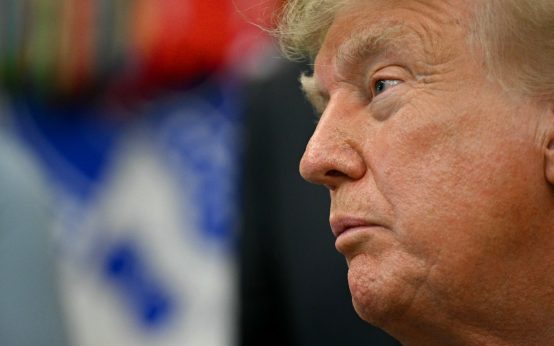 Trump’s Approval Rating Falls Below 30 Percent
  United Russia’s Dominant Election Result: Implications for Putin’s Ukraine Policy
 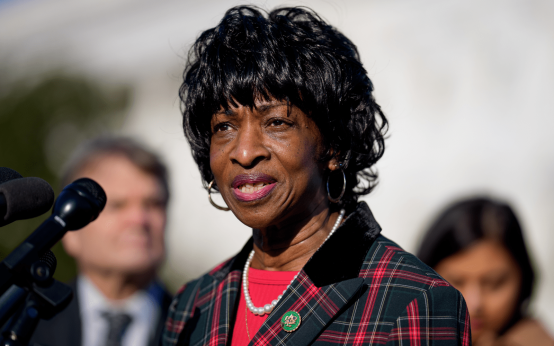 Representative Valerie Foushee Introduces Tariff Rebate Bill
  Monday Screencaps: Musings and Sports Insights
 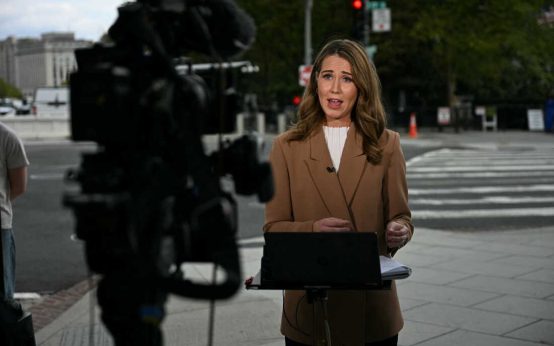 Legal Battle Over Press Access to White House
  Universities and Federal Funding: A Question of Independence