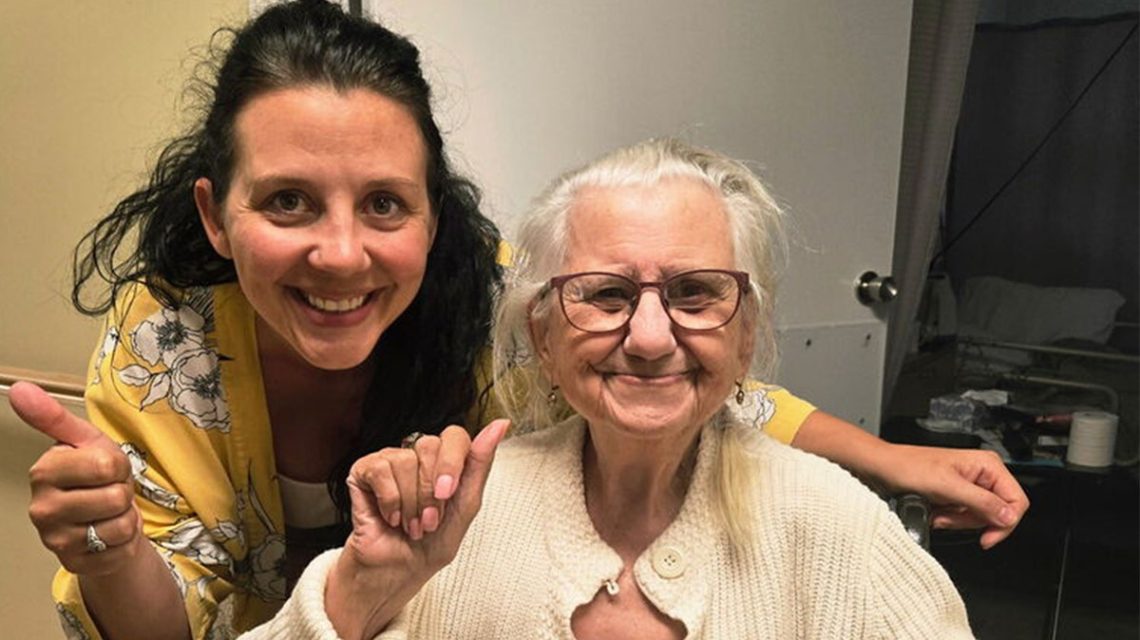
The family of Brigitte Stegemann, an 83-year-old Canadian woman, is demanding answers following her death under Canada’s Medical Assistance in Dying (MAiD) program. They allege she became distressed when informed the procedure would end her life and showed signs of cognitive decline.
The incident, reported by The Daily Mail, has raised concerns about the safeguards in the MAiD program. Stegemann’s granddaughter, Brigitte Kranendonk, who was her primary caregiver, recounted the events leading up to her grandmother’s death.
Concerns Raised Over MAiD Procedure
After Stegemann was placed at The Pearl care home in Cannifton, Kranendonk claimed that her grandmother, despite a stomach cancer diagnosis, maintained a good appetite and initially rejected MAiD as an option. Everything changed, however, when Kranendonk embarked on a road trip in June.
Although she had regular updates, Kranendonk was not alerted to her grandmother’s condition worsening. Near the end of her trip, she received news that a MAiD assessment was planned for Stegemann, contradicting her grandmother’s earlier stance.
Allegations of Miscommunication and Lack of Consent
Kranendonk reported friction with a nurse at The Pearl, who defended the decision as advocating for Stegemann’s welfare. She discovered that Stegemann had already undergone a MAiD consultation and struggled with cognitive assessments about her own family.
During a second MAiD assessment, Kranendonk noted that the doctor avoided direct language about death, instead suggesting Stegemann would feel at peace without a bowel movement. Despite Kranendonk’s concerns about comprehension, the doctor proceeded with the MAiD process.
Troubling Execution of Procedure
Two days before Stegemann’s death, Kranendonk directly asked her grandmother if she understood the implications of the procedure. Stegemann allegedly expressed regret, saying she had made a mistake.
Kranendonk claims that during the procedure, a nurse struggled to administer the IV, causing excessive bleeding. The doctor proceeded without Stegemann’s response, and she was pronounced dead within ten minutes.
Legal and Ethical Questions
Kranendonk regrets not seeking a legal injunction and questions the legality of the actions taken at The Pearl care home. She has appealed to the Chief Coroner’s Office, Patient Ombudsman, and Belleville Police for an investigation.
Canada’s MAID law, enacted in 2016, is responsible for one in every 20 deaths. Concerns have emerged regarding whether the safeguards effectively protect vulnerable individuals.
Mira Metter, director of “Broken Country,” stresses the need for examining care options before presenting death as a choice. Laura Echevarria of National Right to Life argues the program crosses ethical lines by ending lives instead of providing protection and care.
 Venezuelan Leadership at the United Nations
  Ontario Synagogue Shooting During Yom Kippur Leaves One Officer and Shooter Injured
  Pope Leo XIV’s Upcoming Visit to Latin America: An Overview
  Ukraine Deploys Ground Robots in ‘Operation Vivaldi’
  Understanding AI’s Impact Compared to Historical Threats
  State Department Alerts on Middle East Travel Amid Rising Tensions