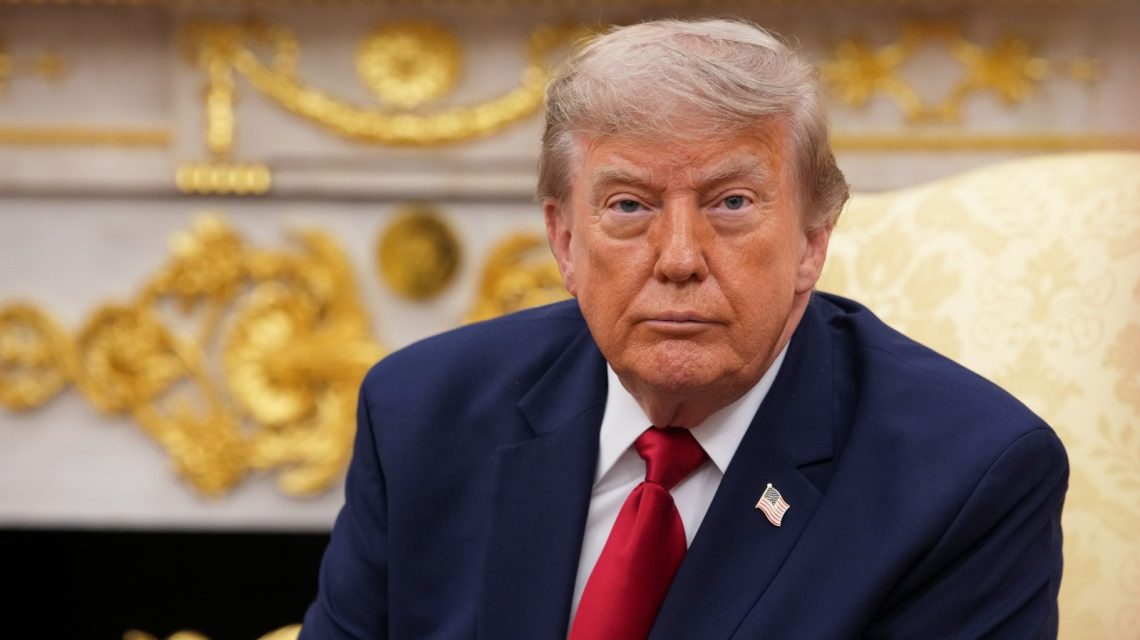
The current political climate has become increasingly tense as recent actions by President Donald Trump are affecting economic conditions in the country. Gas prices have surpassed $4 a gallon, driven by escalating tensions in the Iran war. Additionally, new tariffs have been imposed, impacting dozens of countries and affecting over 99 percent of U.S. imports.
Gas prices climbed to above $4 per gallon on a national average for the first time in over a month, according to AAA. This increase occurs as conflict between the United States and Iran intensifies, causing oil prices to approach $100 per barrel. The relief seen in previous months has been effectively undone by these developments.
The recent expiration of a temporary global tariff of 10 percent led to the institution of new tariffs ranging from 10 percent to 12.5 percent on 60 trading partners.
The White House’s Response
The White House remains steadfast in its stance, countering claims that these developments pose a liability. A spokesperson emphasized that U.S. military actions against Iran are necessary to maintain energy flow through strategic regions, which should eventually lower gas prices.
Despite the looming midterms, Trump distinguishes these economic moves from election considerations. However, some Republicans are expressing concerns about the war and its impact on public opinion. Prominent figures like Senator Shelley Moore Capito have acknowledged a growing weariness among the American public.
Economic Concerns Among Republicans
Polling data reveals dissatisfaction among many Americans with Trump’s economic strategies. A major portion of adults disapprove of his economic management, with an increasing percentage of Republicans citing deterioration.
Republican strategist Alex Patton highlights the mounting challenges for GOP candidates. Tariffs add complexity, as they divide opinion even within the party. While a portion of Republicans support tariff hikes, non-MAGA members show less approval.
Impact on Key Districts
The economic strain is felt acutely in critical districts. For example, California’s 22nd District has experienced significant gas price hikes, challenging Republican incumbents like David Valadao. State-level policies are also cited as contributing factors in places like Colorado’s 8th District.
Historically, fluctuations in the Iran-U.S. ceasefire have directly influenced public opinion on Trump’s handling of the situation.
Electoral Implications
These economic issues are leading to shifts in political support. Democratic strategist Jesse Ferguson believes this dynamic benefits his party, taking advantage of widespread economic grievances among voters.
Polling data indicates a Democratic lead in the generic ballot, though outcomes are not definitive. Decision Desk HQ’s model shows Democrats with a slight advantage to flip the House, but Republicans could retain Senate control.
With key elections pending, Republicans face an uphill battle to reshape the narrative over the next few months.
 Nikole Hannah-Jones Reflects on School Choice and Its Impact
 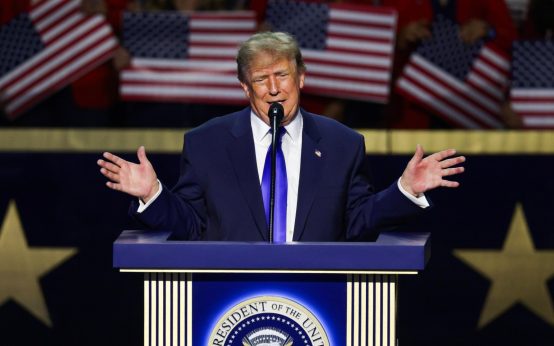 Republican Senator Criticizes Trump’s $5,000 Check Proposal
 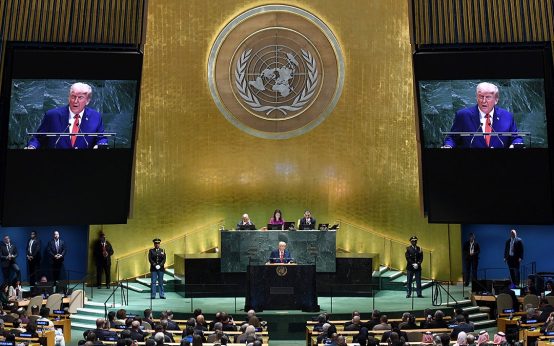 Trump’s Approach to Iran at the United Nations
 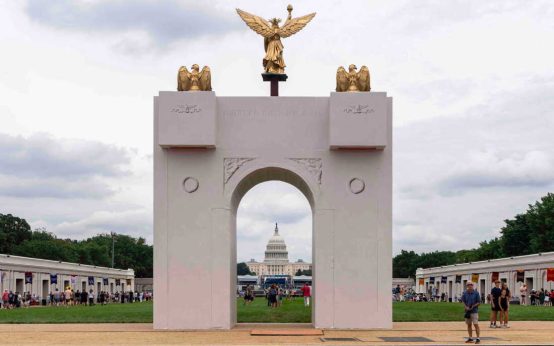 Trump’s Triumphal Arch Controversy
 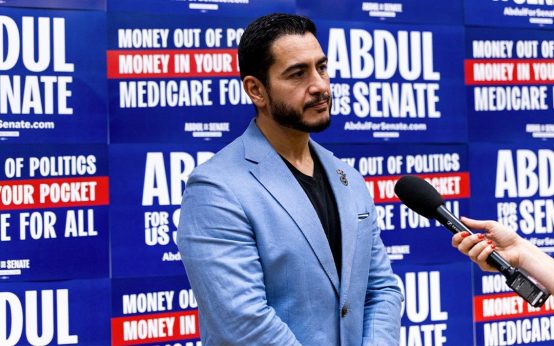 Concerns Over Abdul El-Sayed’s Potential Senate Role and National Security
 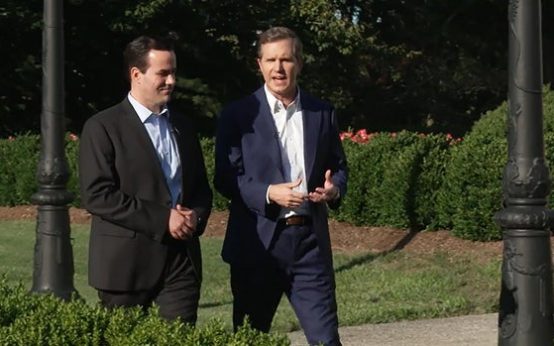 Kentucky Governor Andy Beshear Discusses Tariffs, Faith, and Political Ambitions