
The recent tariffs imposed by President Donald Trump have sparked debate about their effectiveness in addressing forced labor in supply chains. Despite claims of targeting forced labor, the tariffs apply equally to multiple countries, including Japan, New Zealand, and China. This approach raises questions about the specificity and fairness of these measures.
Critics argue that if the objective is to curtail forced labor, the policy should focus more on countries with significant issues in this area. China’s record on forced labor, for instance, is widely criticized. Yet, applying the same tariffs to Japan and New Zealand, countries with different labor practices, seems counterproductive.
Moreover, the exclusion of oil and gas imports from these tariffs has drawn attention. Energy imports are significant, and a carveout in this sector may undermine the policy’s intended impact on forced labor in supply chains.
Overall, the application of tariffs as a tool to address forced labor requires careful consideration. Tailoring these measures to the realities of each country’s labor practices and trade relationships could improve their effectiveness.
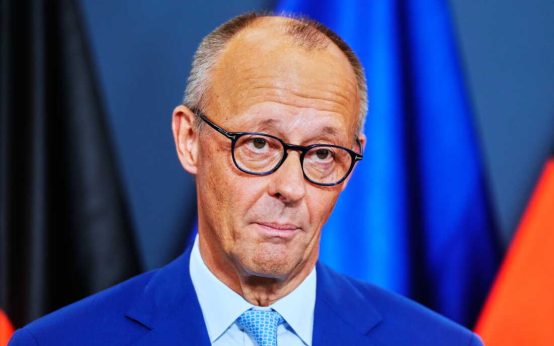 German Chancellor Friedrich Merz Vows to Continue Amid Election Losses
  Nikole Hannah-Jones Reflects on School Choice and Its Impact
 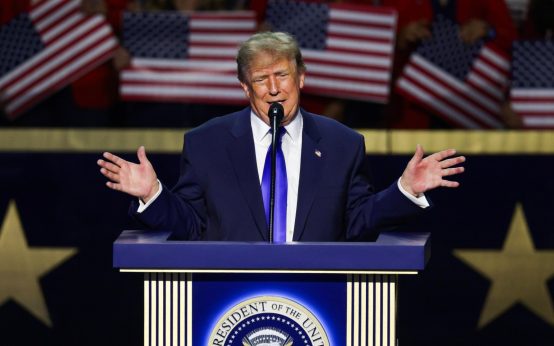 Republican Senator Criticizes Trump’s $5,000 Check Proposal
 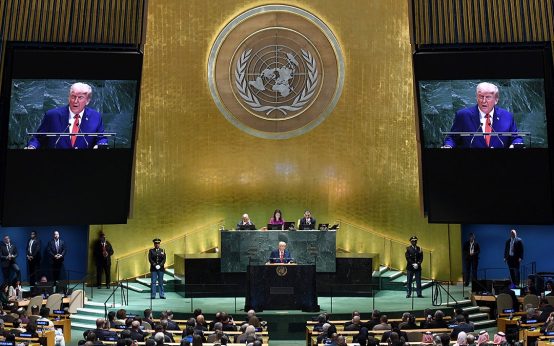 Trump’s Approach to Iran at the United Nations
 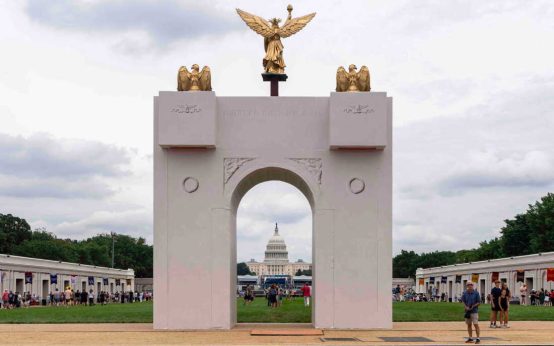 Trump’s Triumphal Arch Controversy
 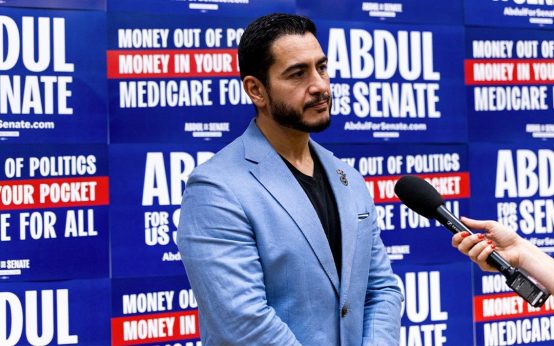 Concerns Over Abdul El-Sayed’s Potential Senate Role and National Security