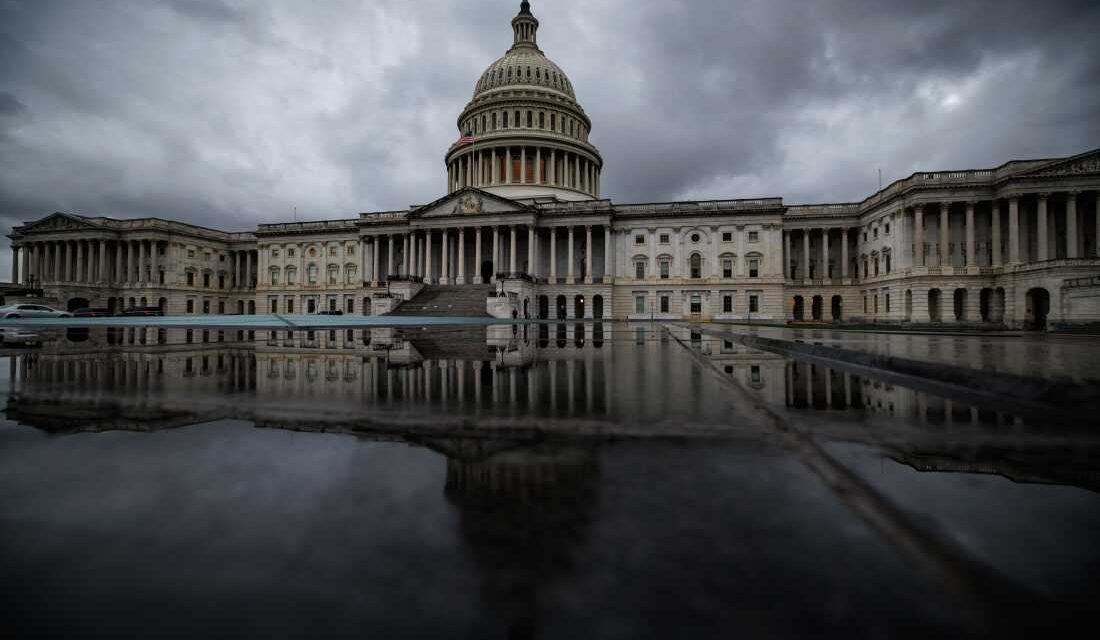
As the primaries progress, speculation grows on whether Democrats might flip the Senate. Some battlegrounds are already determined, but outcomes remain uncertain.
The arithmetic is straightforward. With President Trump in office and a Republican vice president casting tie-breaking votes, Democrats must gain four seats for control. While Republicans anticipate holding the majority, they expect a close margin. Historical trends and current political conditions suggest that Democrats might secure one to three seats. Winning Senate races in states that backed the opposing party’s presidential candidate has been challenging. Yet, the combination of Trump’s low approval ratings, tension with Iran, and widespread economic dissatisfaction could shift dynamics.
In Democratic primaries, socialist and younger outsider candidates are gaining attention. Republicans argue these candidates will backfire, believing Republican voters desire “centrist, commonsense policies” and will reject those proposing “massive tax burdens.” The following is an analysis of the landscape, ranked from most to least likely to flip based on race ratings from the Cook Political Report and insights from campaign strategists.
Tier 1: Most Likely to Flip
North Carolina
North Carolina is a prime opportunity for Democrats. The retirement of Republican Sen. Thom Tillis creates an open contest. Democrat Roy Cooper, a former governor with statewide victories even as Trump won North Carolina, faces Republican Michael Whatley, former Republican National Committee chairman and a Trump ally. Cooper, well-known and leading in polls and fundraising, has a strong position. Republicans point to Whatley’s fundraising abilities and favorable voter registration numbers. Democrats last secured a Senate seat here in 2008.
Tier 2: The Toss-Ups
Alaska
Alaska’s race has become a toss-up following the entry of Dan J. Sullivan, a retired teacher sharing a name with Republican Sen. Dan S. Sullivan. Alaska’s open primary and ranked-choice voting add complexity, as it may confuse voters with both Sullivans on the ballot. Sen. Sullivan has been unable to remove his namesake from the ballot. Democrats back Mary Peltola, who aims to focus on affordability. Republicans believe the state’s conservative lean will prevail, bolstered by Alaska’s past rejection of Peltola.
Maine
Maine’s Democratic candidate Graham Platner exited after denying rape allegations. The party replaced him with Troy Jackson, a logger and former state Senate President. Jackson advocates economic populism and Medicare for All. He will face Republican Sen. Susan Collins, a seasoned contender with bipartisan support. While Collins enjoys a positive reputation, Democrats highlight her vulnerability as the only Republican senator in a state Trump lost in 2024.
Michigan
The Michigan race pits centrist Rep. Haley Stevens against progressive Abdul El-Sayed, following state Sen. Mallory McMorrow’s withdrawal. El-Sayed pushes for Medicare for All and abolishing ICE. Meanwhile, Stevens, with significant support from figures like Governor Gretchen Whitmer, has spent heavily on advertising. Republicans expect to benefit from the protracted Democratic contest but face a Democratic stronghold in Michigan.
Ohio
Ohio sees former Sen. Sherrod Brown challenging for a comeback. Brown focuses on economic issues against Republican Sen. Jon Husted, who took the spot left by Vice President Vance. Democrats are optimistic about Brown’s platform, while Republicans believe past voter rejection of Brown signals challenges. Despite Ohio favoring Trump consistently, Democrats hope for Brown’s appeal in the Senate race.
Tier 3: Likely Democrat Hold
Minnesota
Minnesota’s primary is marked by an internal Democratic battle. Lt. Gov. Peggy Flanagan, a progressive, contests against centrist Rep. Angie Craig. Although Craig has financial advantages, Flanagan leads in polls. The Republican option is Michele Tafoya. Minnesota remains a stronghold for Democrats, with no Republican winning statewide since 2006.
Tier 4: Competitive But Less Likely
Georgia
Incumbent Sen. Jon Ossoff leads in Georgia, challenged by Republican Rep. Mike Collins, endorsed by Trump. Despite Georgia leaning Republican in midterms, Ossoff’s focus on expanding Democratic voter turnout gives Democrats a chance.
New Hampshire
Sen. Jeanne Shaheen’s retirement opens a contest in New Hampshire. Democrats support Rep. Chris Pappas, while Republicans rally behind John Sununu. Independents sway elections here, but Trump’s unpopularity remains an issue for Republicans.
Iowa
Joni Ernst’s retirement puts Iowa in play. Democratic candidate Josh Turek faces Republican Rep. Ashley Hinson. Iowa’s lean towards Republican preferences complicates Democrat prospects, yet Turek represents potential change in a shifting agricultural landscape.
Tier 5: Possible But Challenging
Texas
Texas remains a Republican focus. Attorney General Ken Paxton, freshly victorious over Sen. John Cornyn, faces Democratic Rep. James Talarico. Despite scandals, Paxton directs a strong campaign, while Talarico capitalizes on fundraising and public perception. Republicans, however, dismiss Texas as a Democratic target based on historical voting patterns.
 U.S. Military Expands Operations in Latin America
  Salvadoran President’s Plan for Conditional Early Prisoner Release
  Voter Discontent with Trump Shapes Midterm Decisions
  Concerns Over Public Execution Proposal and Christian Nationalism
  Federal Judge Orders Diversity Visa Program to Open
  Karoline Leavitt on Her Relationship with Trump and New Career Path