
New York is known as the city of reinvention, where many come to start anew. As the city stands today with its modern skyscrapers and technology, remnants of its rich history remain visible. Old streets, trees, fences, and buildings offer a glimpse into New York’s past.
The Historical Significance of New York’s Landmarks
The Declaration of Independence recently celebrated its 250th anniversary. In honor of this milestone, The New York Times highlighted various sites that existed around the time of America’s founding, some even earlier. These sites reflect New York City’s complex history, intertwining tales of beauty and challenges.
Borough historian Asad Dandia emphasizes the American Revolution’s incomplete legacy, noting the perseverance of slavery and the absence of women’s rights. Despite ongoing efforts to obscure history, exploring these surviving landmarks helps to understand and possibly advance the democratic ideals that constituted the nation.
The revolution saw spirited actions like the removal of King George III’s statue on July 9, 1776, underscoring the country’s foundational fervor. Remnants such as the Bowling Green fence, eventually relocated back to its original site, serve as historical reminders.
Broadway’s Origins
The Wickquasgeck trail, crafted by the Lenape, defined Broadway’s early path and transformation over centuries under Dutch and English settlers. Today, Broadway stretches from Lower Manhattan, hearkening to its indigenous roots and reflecting the story of displacement as described by Joe Baker, the Lenape Center director.
This crooked street sets itself apart from Manhattan’s rigid grid system, offering unique public spaces like Times Square, which have been hubs for social movements, according to author Michelle Young.
The Hangman’s Elm: A Living Testament
An English Elm located at Washington Square Park stands as one of New York’s surviving witness trees. Known possibly by the misnomer “Hangman’s Elm,” it bridges present communities with the city’s revolutionary past.
An urban community forester, Georgia Silvera Seamans notes that this tree, now over 130 feet tall, connects to visitors and animals alike with its vast canopy. Beronda L. Montgomery’s writings on trees as vessels of history further highlight the elm’s role in capturing centuries’ breaths.
The African Burial Ground
More than 15,000 African remains were discovered at a site in Lower Manhattan during preparations for a new building in 1991. This site marks the oldest and largest excavated burial ground for enslaved Africans in North America.
Historian Michael L. Blakey, leading research efforts, reveals the importance of this ground in redefining the narrative around slavery in New York. The site, now a national monument, stands as a stark reminder of past inequalities while symbolizing human dignity.
The Ear Inn and Its Revolutionary Lore
The Ear Inn, a bar in SoHo, traces its revolutionary heritage to James Brown, a man who purportedly assisted George Washington during the war. Though his story remains unclear, this site embodies the inclusive spirit of the revolution noted by historian Asad Dandia.
Owner Rip Hayman and historians have speculated on the building’s origins, linking salvaged timber to the Great Fire of 1776. Despite uncertainties, the Inn’s ongoing conspiracies and plots evoke the rebellion’s essence.
Excavations Reveal Tavern Heritage
Excavations in Manhattan’s Financial District uncovered the Lovelace Tavern from the late 1600s, revealing government and social meeting places integral to New York’s early civic life.
Artifacts such as watermelon seeds and tobacco pipes are displayed to glean the tavern town’s role. Today, the Goldman Sachs plaza offers a portal into this historical foundation, inviting reflection on shared citizenship and belonging.
 Artistic Chronicle of Communities’ Recovery Post-Hurricane Helene
  Chicago History Museum’s Latin American Exhibit Sparked by Student Protests
 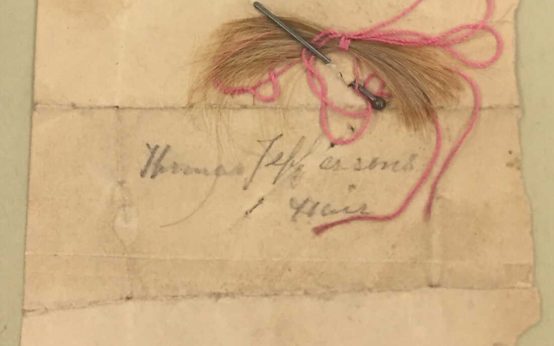 DNA Links Jefferson to Hemings Descendants
  Ari Emanuel’s Memoir: A Business-Centric Narrative
  Celebrating Day of the Dead: Students Craft Calaveras in Pilsen
  Controversial Revelations from Charles Spencer’s New Book on Princess Diana