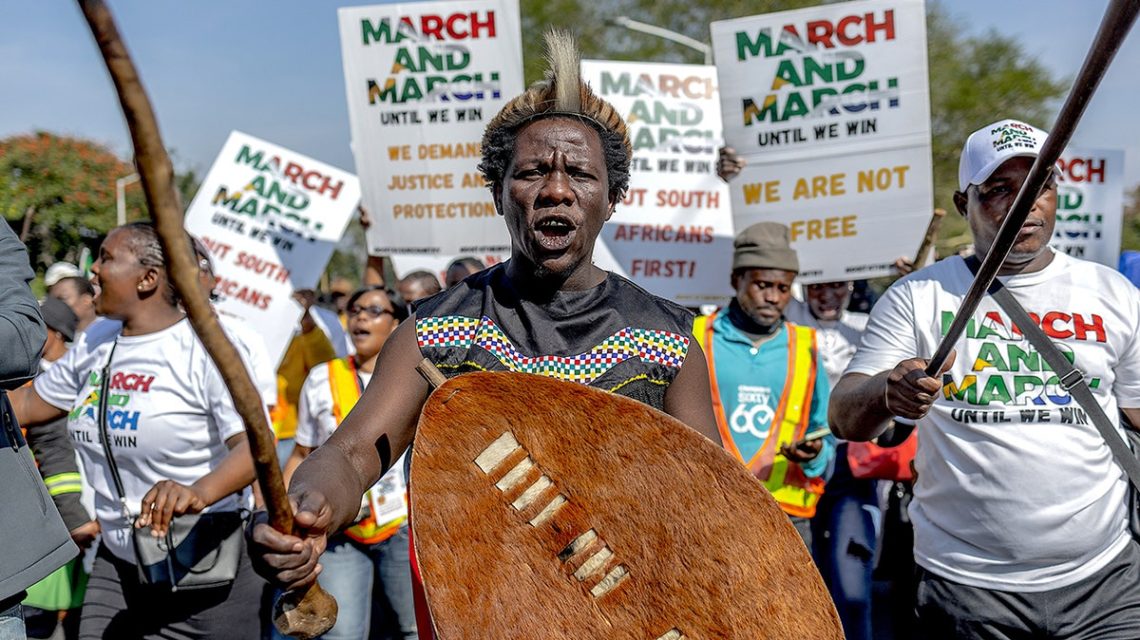
In Johannesburg, over 160,000 illegal immigrants have recently left South Africa after significant public protests demanded their departure. The protests, driven by citizen concerns over crime, job scarcity, and strained public services, highlight a growing frustration with the government’s handling of border controls.
The debate over the number of illegal immigrants is heated. While some claim up to 30 million reside in South Africa, official statistics suggest a far lower figure. The South African organization March and March, known for its anti-immigrant stance, believes the true number is contested and much higher than government reports suggest.
In areas such as Soweto, groups have gone door-to-door, imposing deadlines for undocumented immigrants to leave. Although the nationwide protests have been mostly peaceful, some areas have experienced violence, necessitating police intervention. By the end of a recent protest, 900 individuals were arrested, and one person lost their life due to the unrest.
Many immigrants, facing intense pressure, have opted to return to their home countries. Some have left by bus, while others have been repatriated through flights arranged by their countries. An incident at Johannesburg’s OR Tambo International Airport highlighted the issue, with 321 of 332 Ghanaians on one flight being found in the country illegally.
Jacinta Ngobese-Zuma, leader of the March and March movement, emphasizes non-violence and claims her group simply ‘encourages’ foreigners to leave South Africa. Despite this stance, immigrant fatalities have occurred, attributed to protester actions.
South African President Cyril Ramaphosa has pledged to address the immigration issue, especially after facing criticism for perceived inaction. Recently, 53,449 foreign nationals have been processed for deportation or repatriation, although this number represents a fraction of those believed to be in the country illegally.
The country’s unemployment rate stands at 32.7%, exacerbating tensions as illegal immigrants are accused of taking local jobs. President Ramaphosa acknowledged that some employers exploit undocumented workers by paying less than the minimum wage and requiring longer hours.
Healthcare services are also heavily impacted, with local hospitals stretched beyond capacity due to the influx of foreigners. Reports indicate long wait times for emergency care, with some South African citizens suffering as a result.
March and March calls for stricter border controls and the deportation of undocumented migrants. These calls resonate with public sentiment, as shown by polls ranking immigration as a prominent concern behind unemployment. The movement continues to lead regular demonstrations, urging government action.
Political figures like Herman Mashaba and analyst Frans Cronje highlight the failure of the ruling ANC party to secure borders effectively. Mashaba’s Action SA party criticizes the government’s inadequate response to this crisis.
Overall, the immigration issue in South Africa reflects broader debates over national security, social services, and economic priorities. As protests continue, the government remains under pressure to implement changes that address public concerns and stabilize immigration policies.
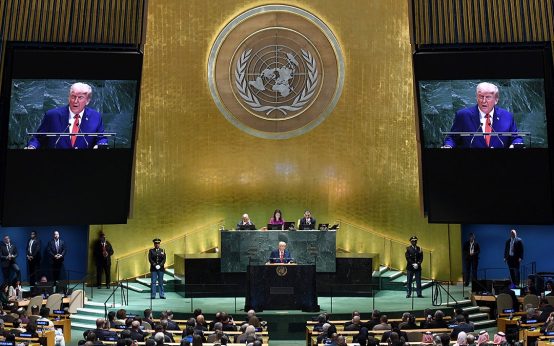 Trump’s Approach to Iran at the United Nations
 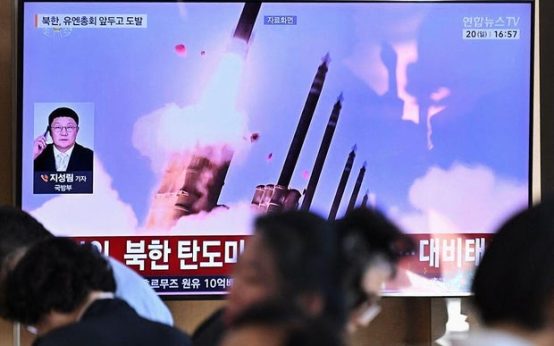 North Korea’s Missile Launches Escalate Tensions
 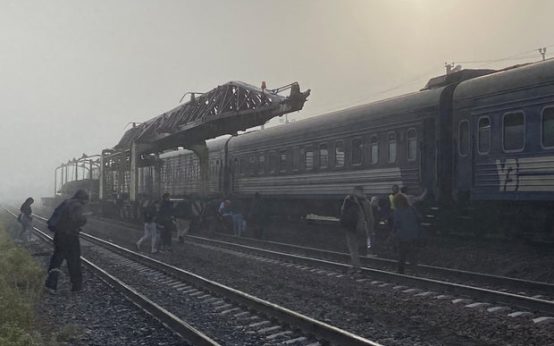 U.S. Plans for Permanent Army Base in Poland Amid Tensions with Russia
  Berlin’s Mayoral Race: A Candidate Inspired by New York Leadership
 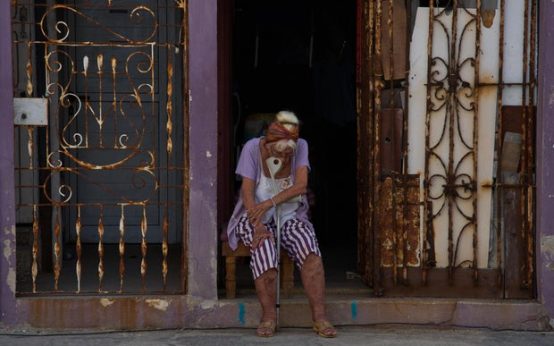 Cuba Faces Sixth Power Grid Collapse Amid U.S. Fuel Blockade
 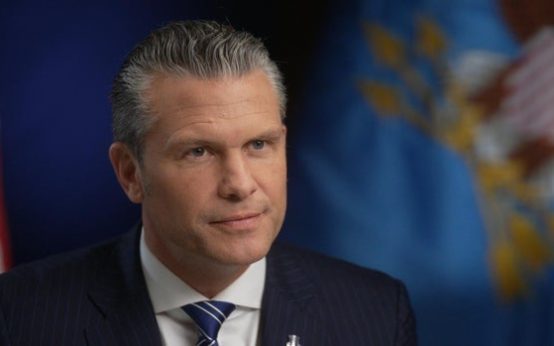 Daring U.S. Rescue Mission in Iran