
In recent years, a growing number of school districts are starting their academic year in July or August. This shift increases the likelihood that students will face sweltering temperatures during school activities.
As of July 2026 in Phoenix, where temperatures reached 117 degrees Fahrenheit (47 degrees Celsius), children experienced these extreme conditions. They commuted on foot, participated in outdoor recess, and engaged in activities like baseball practice under the intense heat.
A playground in Lansing, Michigan, serves as a reminder of how these weather conditions can affect school children. Adjusting to the intensity of such heat involves ensuring proper hydration, modifying outdoor activities, and implementing protective measures.
These adaptations become crucial to safeguarding students’ health and well-being as they return to school during the hottest months. Parents and schools must work collaboratively to mitigate the potential risks associated with these early start dates.
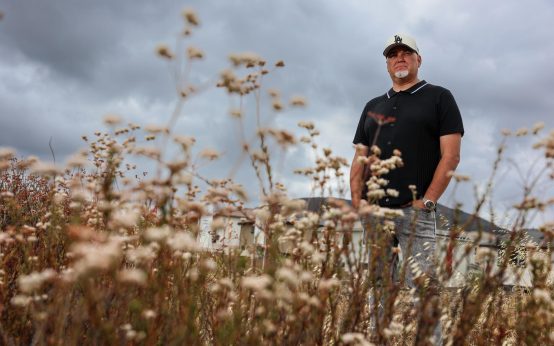 Challenges in California’s Home Insurance Market
 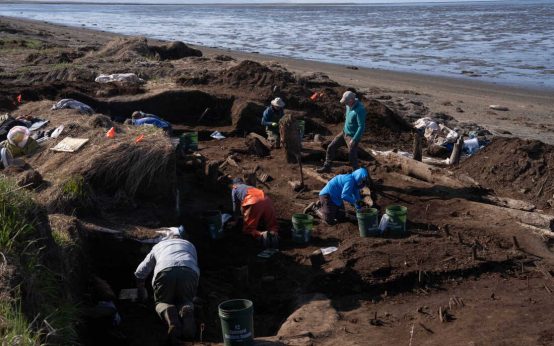 Race Against Time: Preserving Quinhagak’s Archaeological Heritage
  Managing Drying Rivers: The Need for New Approaches
  High School Student’s Suspension Over Coffee Sparks Policy Review
 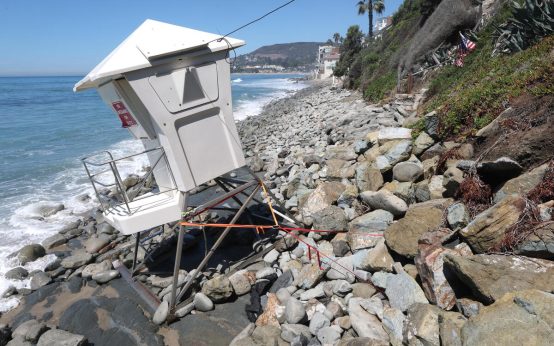 Coastal Damage from Kelvin Waves and Rising Sea Levels in Southern California
 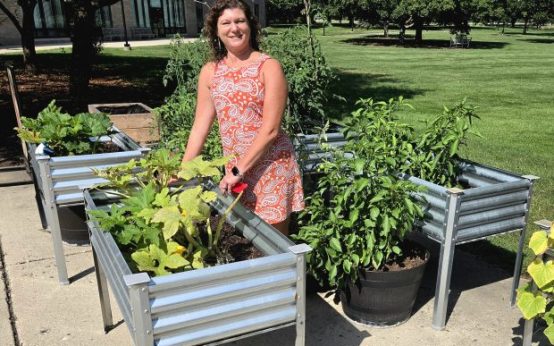 Waubonsee Community College Opens New Food Pantry to Combat Student Food Insecurity