Bipartisan Call for Action on Colorado River Funding
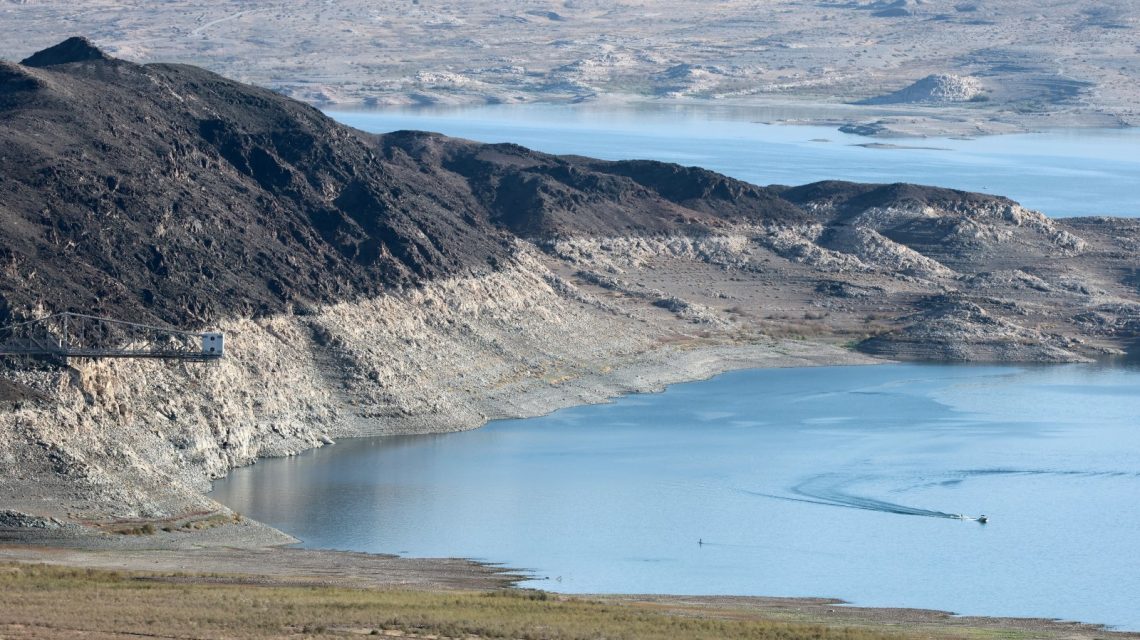
A bipartisan group of House lawmakers is urging congressional leaders to prioritize emergency funding for the Colorado River in an upcoming supplemental appropriations package. They warn that worsening drought and declining reservoir levels pose a threat to regional water supplies, agriculture, power resources, and industry.
In their July 17 letter addressed to key congressional figures, including GOP Speaker Mike Johnson, House Minority Leader Hakeem Jeffries, Appropriations Chair Tom Cole, and ranking member Rosa DeLauro, Representatives Andy Biggs of Arizona and Dina Titus of Nevada highlighted the urgency as lawmakers consider the supplemental funding transmitted on June 24.
Risks to Water Security and Regional Industries
The lawmakers emphasized the importance of including emergency funding to address risks in the Colorado River Basin. They noted that millions of residents are affected by the prolonged drought and rapidly declining water levels.
The lawmakers stressed that federal investments are crucial to enhance water supply resilience and reduce consumptive use across the basin.
Approximately one in ten Americans depends on the river for drinking water, and 90% of U.S. winter produce crops rely on its resources. Additionally, the Hoover and Glen Canyon dams generate electricity for 2.5 million people, contributing significantly to the outdoor economy, which exceeds $26 billion annually.
They linked the river’s health to national security by pointing out its support for advanced manufacturing, aerospace, and defense industries in the West.
Congressional Action and Broader Planning Efforts
Representative Biggs remarked that the Colorado River crisis impacts the nation beyond the Southwest. He acknowledged a previous allocation of $4 billion for drought mitigation in Western states, primarily focusing on the Colorado River Basin. However, only less than $100 million of that funding remains.
Projections indicated concerning trends in lake levels. The letter cited unseasonably high spring temperatures and record-low snowpacks that might lead Lake Powell to drop to 3,504.32 feet and Lake Mead to 1,037.03 feet by late 2026.
A broader plan for Lake Mead and the Colorado River system is reportedly in progress as states negotiate new agreements. Interior Secretary Doug Burgum recently met virtually with governors from the seven basin states to discuss strategies for future management and operations. Current guidelines are set to expire this year.
Representative Titus noted recent Bureau of Reclamation projections showing Lake Mead might fall below its record low by the end of next month and could drop 31 feet below that level by mid-2028.
The letter was signed by Representatives Biggs, Titus, Melanie Stansbury, Elijah Crane, Gabe Vasquez, Greg Stanton, J. Luis Correa, Yassamin Ansari, Jim Costa, Adelita Grijalva, Abraham Hamadeh, and Paul Gosar.
 Challenges Facing the Supreme Court’s Public Perception
  California Democratic Aide Arrested for Visa Overstay by Federal Authorities
  Experts Doubt Export Ban Will Lower Fuel Prices
  Trump Delivers Warning to Iran, Cuba at UN General Assembly
  Trump Delivers Stern UN Speech on Iran, AI, and Global Security
  Lukashenko and Putin’s Unique Relationship and Belarus’ Strategic Role