Support for Medical Aid in Dying Legislation
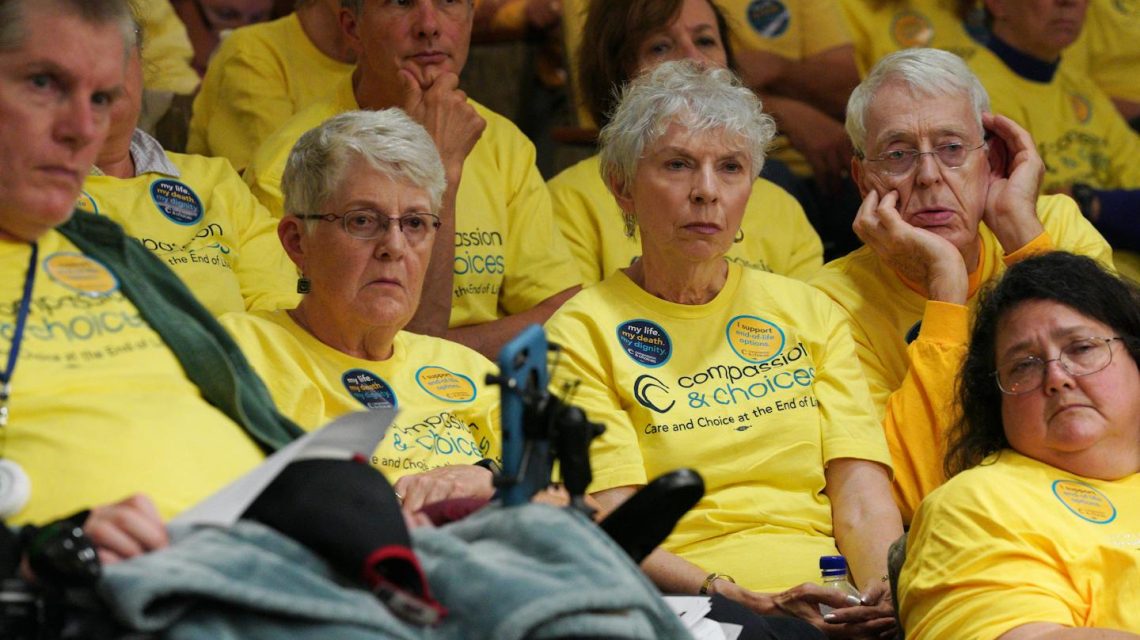
A hearing on the End-of-Life Act took place in St. Paul on September 11, 2019. The Minnesota Star Tribune reported on this event, which gathered supporters of medical-aid-in-dying legislation. Columnist Karen Tolkkinen shared her experience watching her sister’s painful final days. Her story highlights the urgent need for change in Minnesota’s legislation.
Questions arise about opposition from Minnesota Republicans. Those opposing the legislation prioritize other freedoms yet resist personal choice at the end of life. Tolkkinen’s column raises issues of empathy and understanding concerning personal freedom and the legislation’s impact.
Public Concerns and Critiques
Some arguments against medical aid in dying involve religious beliefs. Discussions often involve God’s will, yet contradictions in policy, such as cutting foreign aid, remain. Critics argue that legislators often impose personal beliefs rather than focusing on public welfare.
Mary Alice Divine of White Bear Lake discusses her perspective. She questions how death and suffering are permissible while denying comfort and choice to the terminally ill. Steven Petersen from Shoreview adds that laws should be secular. He supports the legislation for individuals with life-ending illnesses, emphasizing safeguards for those unable to make decisions themselves.
The Voice of Young Voters
An issue of youth disengagement and unfamiliarity with voting processes emerges. With the voting age lowered in 1971, older generations recall more editorial guidance from newspapers. Now, young voters face overwhelming information without clear guidance. Jason Ton and Averie Younge expressed their experiences as first-time voters finding limited information on candidates.
Teresa Fishel of St. Paul points out that social media and biased news complicate young voters’ journeys. Past conversations with family provided a foundation for informed voting decisions. Fishel emphasizes the need for grounding young voters with resources and discussions to encourage informed decisions and avoid destructive voting patterns.
Addressing the Space Junk Problem
A recent incident involving falling space debris highlights global safety concerns. The Star Tribune reported on a telescope expected to crash back to Earth. Although most debris was expected to fall into the ocean, several countries faced potential risks. A note from the opinion editor indicated the telescope crashed near Indonesia.
The 1972 Convention on International Liability outlines responsibilities of nations launching space objects. While no humans have been hit thus far, the risk exists, prompting global awareness and precautions.
 Eisenkot to Form New Israeli Government as Netanyahu Faces Setback
 Israeli President Assigns Gadi Eisenkot to Form New Government
 Bill Maher Urges Moderates to Challenge Socialists in Democratic Party
 Taxpayer Money and Political Industrial Projects
 Gavin Newsom’s Commutation of Death-Row Sentences Raises Justice Concerns
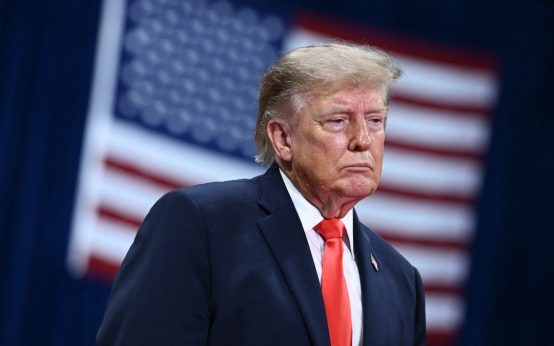 Trump Orders DOJ Investigation Amid Impeachment Threats by Democrats