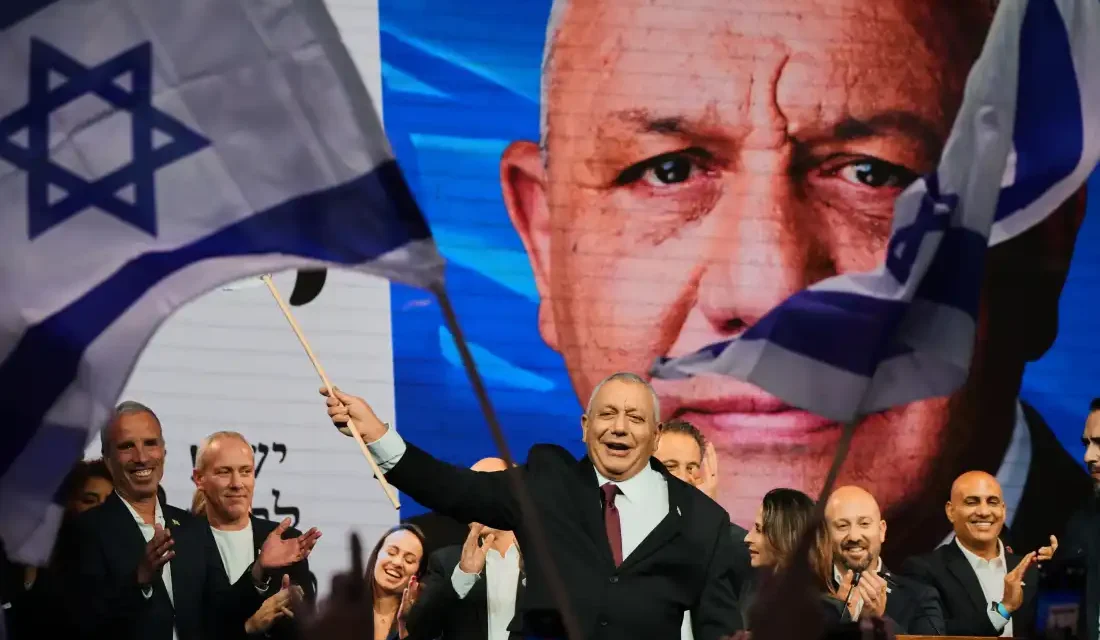
Israeli President Isaac Herzog has tasked opposition candidate Gadi Eisenkot with forming a new governing coalition after the recent elections held on October 27. Eisenkot, a former military chief and challenger to Prime Minister Benjamin Netanyahu, is seeking to replace Israel’s longest-serving leader.
During the election, neither Eisenkot nor Netanyahu secured a clear majority. In discussions with the president, representatives from Israel’s main parties recommended Eisenkot take the lead in forming a new government.
The decision comes after Netanyahu proposed a “national unity government” in a video message. He cautioned against quickly forming a government with the support of Arab-led parties, which he and his allies view as a national security threat.
Eisenkot’s party, Yashar, responded to Netanyahu’s message with a public statement urging members of Netanyahu’s Likud party to abandon alliances with extreme elements within their religious-nationalist coalition. Eisenkot has expressed openness to collaborating with Arab-led parties, provided they recognize groups like Hamas as terrorist organizations.
The political landscape following the Israeli elections shows a fragmented environment where coalition-building is key. Eisenkot’s appointment to assemble a government represents a significant move in this ongoing political development.
 Sen. Van Hollen Questions Schumer’s Leadership, Houston’s Changes in ICE Cooperation, and Holiday Shopping Trends Amid Inflation
 Eisenkot to Form New Israeli Government as Netanyahu Faces Setback
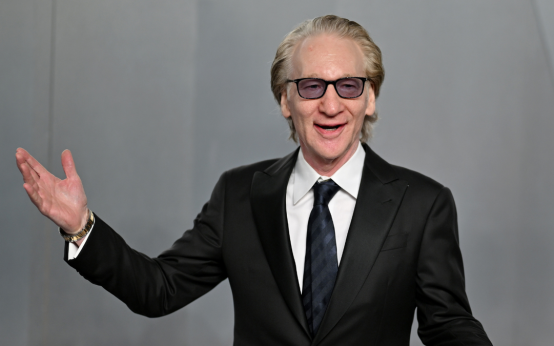 Bill Maher Urges Moderates to Challenge Socialists in Democratic Party
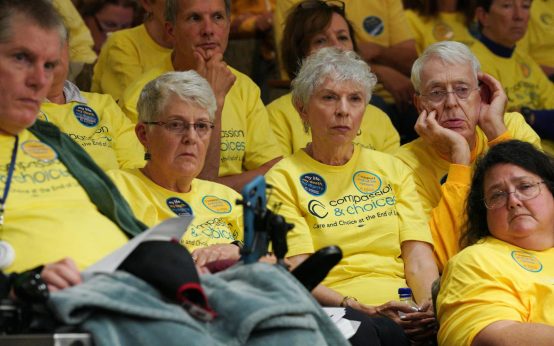 Revisiting Medical Aid in Dying in Minnesota
 Taxpayer Money and Political Industrial Projects
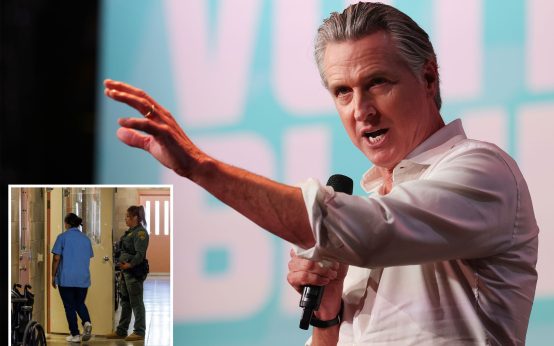 Gavin Newsom’s Commutation of Death-Row Sentences Raises Justice Concerns