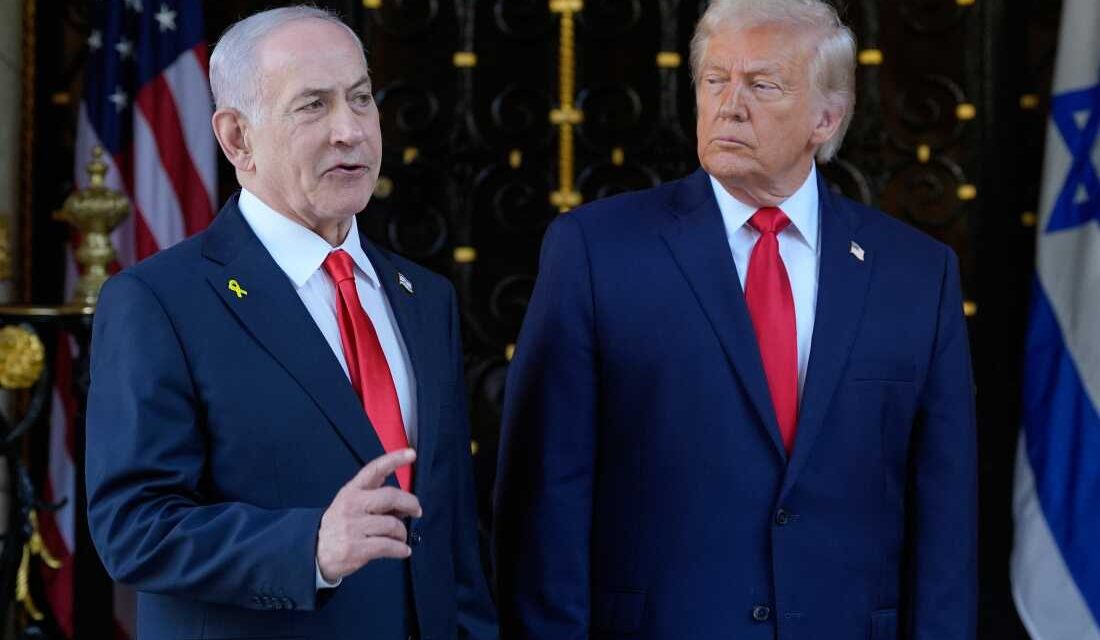
Israeli Prime Minister Benjamin Netanyahu met with President Donald Trump at Mar-a-Lago in Palm Beach, Florida. This marks their first meeting since starting a joint conflict with Iran. The leaders face domestic challenges, with Netanyahu seeking re-election and Trump dealing with backlash from an unpopular war.
Meeting Objectives
The meeting aimed to address a framework agreement involving Israel, the U.S., and Lebanon over the Israel-Hezbollah conflict. Discussions also included expanding the Abraham Accords. A White House official, speaking anonymously, revealed this agenda.
We have a little difference,Trump said when asked if there was agreement with Netanyahu on Iran.
Previously strong allies, Trump and Netanyahu’s relationship strained due to differing views on continuing the war in Iran. Trump faces pressure to end the war, which has caused regional instability and economic strain.
Tensions and Pressures
As the conflict with Iran intensified, with Iran retaliating against U.S. bases, both leaders faced mounting pressure. Netanyahu, who desired continued action against both Iran and Hezbollah, found himself sidelined by U.S. diplomacy efforts.
Netanyahu hopes to realign strategies, focusing on Iran’s nuclear threat. His White House visit intended to provide Trump with Israeli intelligence, respecting the importance of U.S. decisions in the conflict.
Impacts and Responses
Netanyahu emphasized the need for a strong stance on Tehran’s nuclear ambitions. During a Fox News interview, he expressed willingness to avoid intense military engagement if Iran halts its program.
In both Gaza and Lebanon, Israel explored ways to support U.S. diplomatic efforts. In Lebanon, Israeli forces allowed Lebanese army deployment in areas formerly controlled by Hezbollah. Talks continue on furthering these efforts.
On Gaza, Israel approved a plan to allow an international stabilization force entry, contingent on individual authorizations. This plan seeks to aid displaced Palestinians while maintaining security concerns.
Shifting Support
Support for Israel has declined, notably in the United States. An AP-NORC poll highlighted a loss of bipartisan support. Vance, expected to join Netanyahu at the White House meeting, emphasized Israel’s dwindling international allies.
Despite efforts to foster alliances, Israel’s actions in Gaza led to increased scrutiny and criticism from international communities and within the United States.
 New U.S. Military Bases Planned in Greenland Amid Strategic Security Deal
 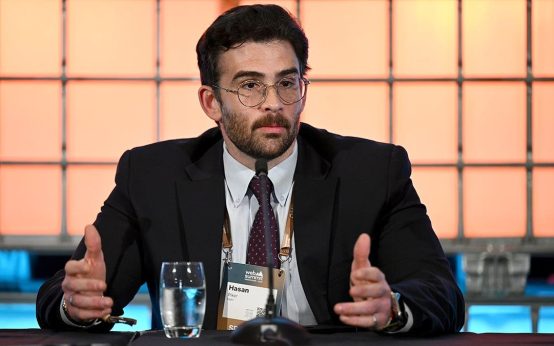 Twitch Streamer Hasan Piker Discusses Controversial Commentary
  A Shifting Political Landscape: The Decline of Autocratic Power
  Trump Delivers Warning to Iran, Cuba at UN General Assembly
 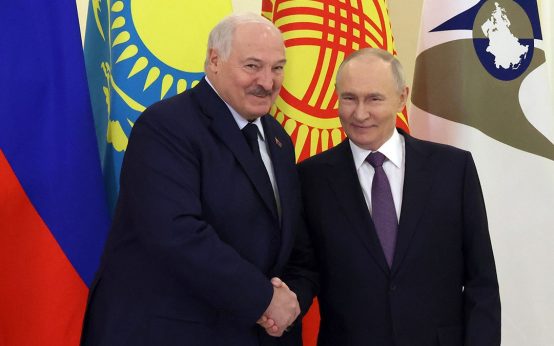 Lukashenko and Putin’s Unique Relationship and Belarus’ Strategic Role
  Alan Ritchson Faces Backlash Over Political Remarks