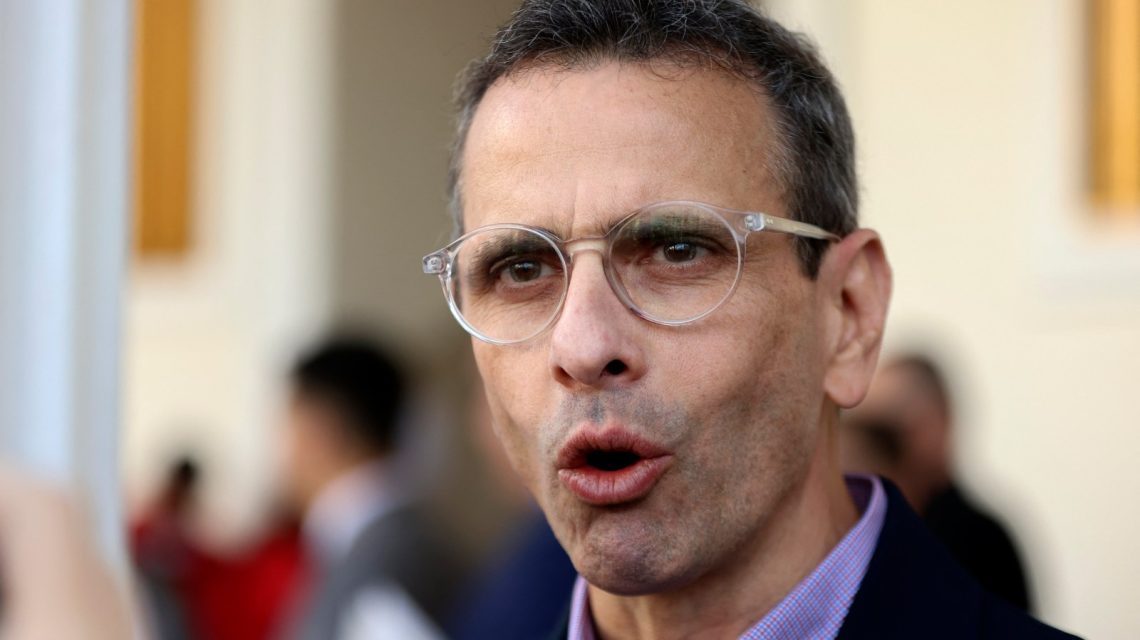
Henrique Capriles, a notable figure in Venezuelan politics, has twice attempted to secure the presidency, achieving a significant level of success in challenging Chavismo through electoral means. Six months into a U.S.-facilitated power transition in Caracas, Capriles has developed a distinctive perspective on U.S. policy, diverging from the common views held by many.
President Trump’s public statements about Venezuelan interim President Delcy Rodríguez have varied from threats to commendations. Capriles, an influential opposition figure and member of the National Assembly, has learned to differentiate Trump’s rhetoric from his administration’s concrete actions. “I’m not one of those who gets carried away by President Trump’s statements,” Capriles shared during an interview with Newsweek.
After President Nicolas Maduro’s capture on January 3, Trump initially warned Rodríguez with potential consequences if cooperation faltered. Yet, months later, Trump’s tone shifted favorably, even engaging diplomatically to support Rodríguez in legal matters. Capriles views Trump’s unpredictable communication style as an ongoing pattern.
Venezuelan citizens credit Trump for removing Maduro, whom they struggled to oust via elections. The election held on July 28, 2024, resulted in a contested victory claimed by Maduro, though independent bodies like the Carter Center indicated an opposition win.
Flowers, sanctions, none of that got rid of Maduro either. The game was completely locked. And then Trump came in and did what he did.
On January 3, under Operation Absolute Resolve, U.S. Special Forces arrested Maduro and his wife, framed as part of anti-narcotics efforts. The operation led to significant casualties and injuries. Following Maduro’s extradition, he and Flores faced serious legal charges, with a trial set for June 2027.
Capriles contemplated an alternative outcome had Maduro respected the 2024 election results. “If Maduro had respected the results, and Edmundo González had assumed the presidency, January 3 would not have happened, in my opinion,” Capriles emphasized.
Initially doubtful about military intervention, Capriles later recognized Trump’s strategic gamble and eventual success. Trump declared U.S. administrative oversight in Venezuela until a stable transition, appointing Rodríguez as interim leader.
While encountering criticism for potential overreach, particularly from Colombian President Gustavo Petro, U.S. Secretary of State Marco Rubio maintained influence over Venezuela’s internal affairs, shaping transitional governance. Capriles dismissed the sovereignty concerns, noting a recurring historical use of nationalism rhetoric for political convenience.
The financial aspect of U.S. involvement raised further debates, with alleged revenue collection from Venezuelan oil transactions being substantial. Capriles acknowledged this but stressed the broader importance of democratic principles and electoral integrity in Venezuela.
The implicated three-phase plan announced by Rubio commenced with formal transition talks initiating on August 1, covering stabilization, recovery, and transition. Despite fractious relationships, including Nobel laureate María Corina Machado’s skepticism, Capriles emphasized the necessity of diverse opposition voices, advocating for Machado’s involvement.
Capriles clarified Rodríguez’s temporary leadership status, distanced from electoral legitimacy, with internal tensions within the ruling body observed.
Natural disasters, notably the June 24 earthquakes, complicated transitional efforts immensely, disrupting economic stabilization and revealing societal resilience beyond political divides.
Capriles stressed the importance of judicial independence to prevent repeating historical cycles of Chavismo’s governance. “Justice is not revenge,” Capriles reflected, emphasizing strong institutional frameworks as essential for a prosperous future.
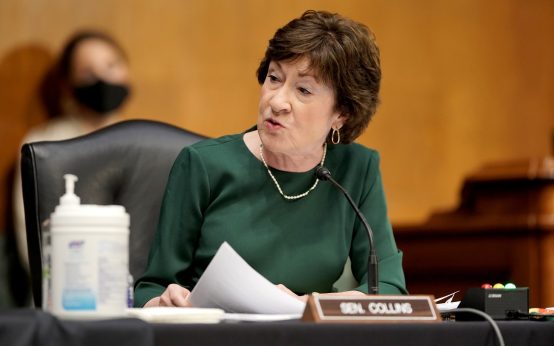 Collins Battles Trump Administration on NIH Grant Control
 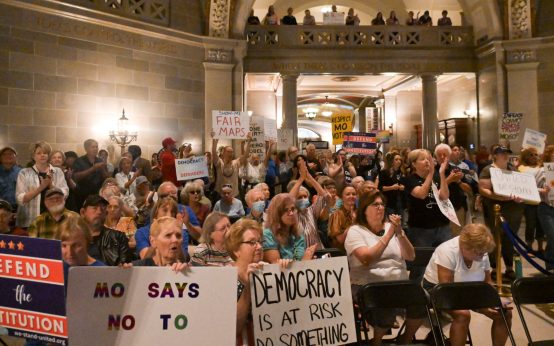 U.S. Appeals Court Supports New Missouri Congressional Map
  GOP Candidates Call to End Iran War Amid Rising Fuel Costs
  Trump Administration Seeks to Influence NIH Grantmaking
 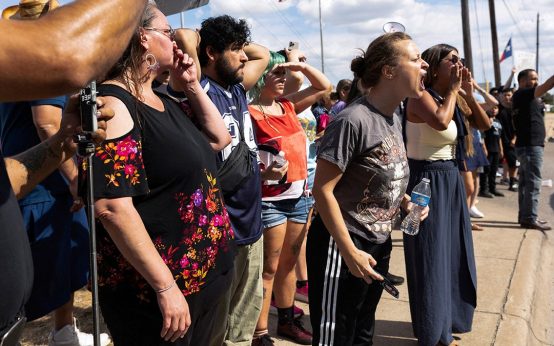 Protests in Austin: Analyzing the Coordination Behind Anti-ICE Demonstrations
  Controversy Surrounds Inglewood Mayor Amid Allegations