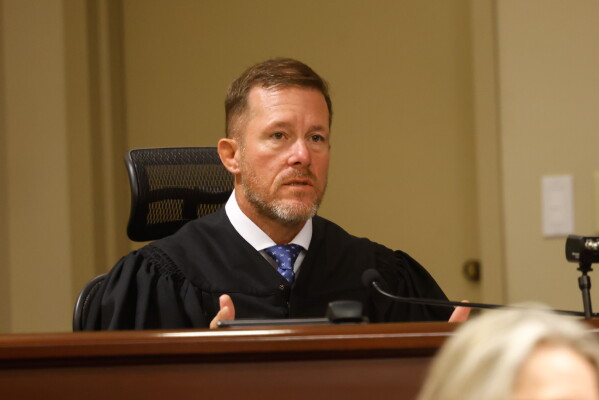
A judge sentenced Colt Gray, a 16-year-old who fatally shot two students and two teachers at Apalachee High School in Georgia, to life in prison without parole. The shooting occurred on September 4, 2024, about 45 miles northeast of Atlanta. Gray pled guilty to 55 charges, including murder.
Deliberate Evil
Judge Nicholas Primm described Gray’s actions as “deliberate, contemplated evil” and determined Gray should never be eligible for parole. He noted Gray’s lack of remorse and fascination with notorious murderers. “You aren’t wracked with guilt. You’re proud of yourself,” Primm said at the Barrow County Superior Court in Winder, Georgia.
Prosecution’s Argument
District Attorney Brad Smith argued that Gray showed no signs of developing a conscience or valuing human life. “He cannot be in society,” Smith stated during his closing argument.
Defense’s Plea
Defense attorney W. Charlton Allen portrayed Gray as “not irretrievably broken” and in need of hope to foster change. Gray’s grandmother, Debbie Polhamus, noted his troubled upbringing and urged for leniency, citing his progress with treatment.
Victims and Families
The victims included teachers Richard Aspinwall, 39, and Cristina Irimie, 53, along with students Mason Schermerhorn and Christian Angulo, both 14. Family members and victims expressed their grief and anger, mostly opposing the possibility of parole for Gray.
Shooting Motivations
Investigators revealed Gray’s obsession with mass shooters and his quest for notoriety. He engaged with the “true crime community” online, discussing plans and idolizing infamous figures. Records showed Gray directed his mother to track online discussions about him, and prosecutors noted his aim for lasting infamy.
Family Dynamics
Gray’s maternal grandmother testified about his unstable childhood. She stated Gray had become “highly agitated and aggressive” before the shooting. Despite her efforts, she said his parents did not obtain the help he needed.
Officials placed Gray in foster care while detained due to parental concerns. Candice Broce, overseeing Gray’s case, testified about his improvement following a no-contact order with his mother and starting medication.
Judge’s Conclusions
Judge Primm acknowledged the failures Gray faced in his upbringing and societal failures. However, he emphasized these factors did not excuse Gray’s choices and criminal actions.