
Research shows that American women are often unable to have as many children as they desire. The average fertility gap among U.S. women is approximately 0.76 children. This gap represents the difference between the number of children women ideally want and the number they actually have.
This gap is not uniform across the country. States with fewer childcare regulations tend to have a smaller gap. In North Dakota, for example, the gap is about one-third of a child. In contrast, states such as New Hampshire, Rhode Island, and Alaska have a gap greater than one child.
The findings highlight the impact of state-level policies on family planning and potential fertility. Understanding these discrepancies can help policymakers address fertility issues more effectively.
 Challenges in U.S. Foreign Policy
 Republicans Face Legislative Challenges Before Power Shift
 Transportation Secretary Defends New AI Flight Tool Against Criticism
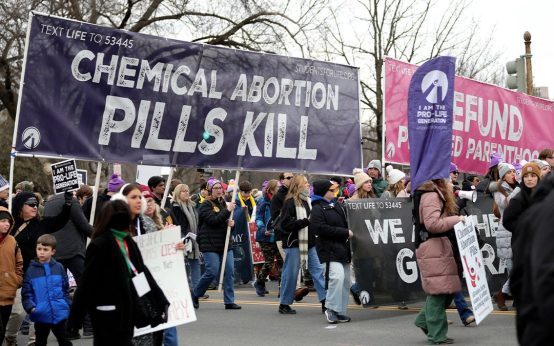 U.S. Midterm Elections: Pro-Life Priorities and Challenges
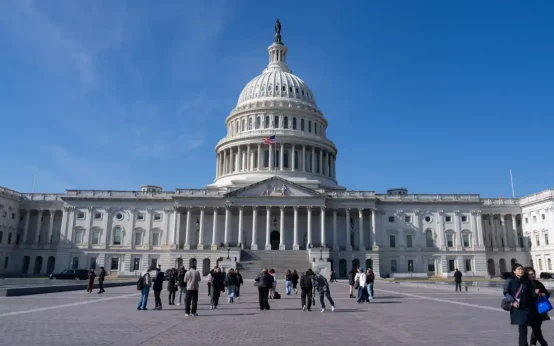 Congress Returns to Washington: Key Issues Ahead
 Democrats Missed Opportunities in the Southern States