
Research shows that American women are often unable to have as many children as they desire. The average fertility gap among U.S. women is approximately 0.76 children. This gap represents the difference between the number of children women ideally want and the number they actually have.
This gap is not uniform across the country. States with fewer childcare regulations tend to have a smaller gap. In North Dakota, for example, the gap is about one-third of a child. In contrast, states such as New Hampshire, Rhode Island, and Alaska have a gap greater than one child.
The findings highlight the impact of state-level policies on family planning and potential fertility. Understanding these discrepancies can help policymakers address fertility issues more effectively.
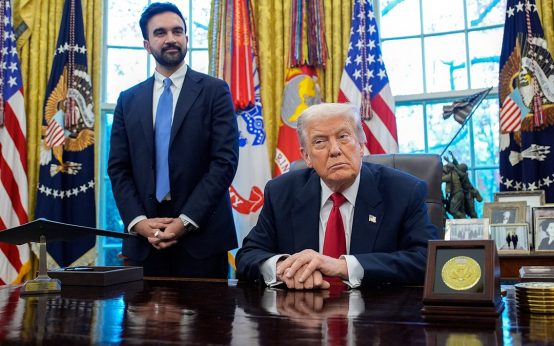 Trump and NYC Mayor Mamdani: Political Divides and Collaborative Efforts
  Rep. Jared Golden Endorses Mike Lawler for Reelection
  Seattle Protects Nonmonogamous Relationships from Discrimination
  Democratic Lawmakers Criticize Trump’s $5,000 Payout Promise
 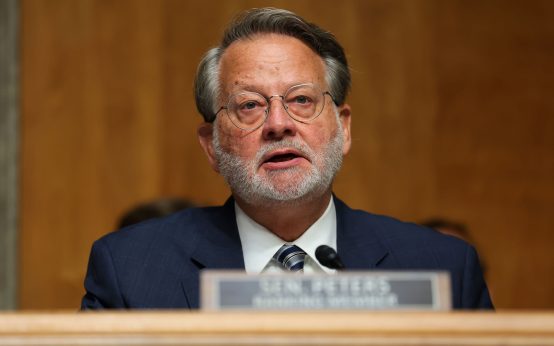 Judge Assigned to White House Press Access Case
 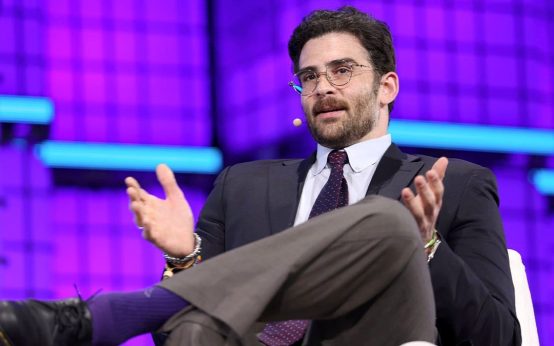 Hasan Piker Faces Backlash Over Controversial Comments