New Proposal for Nuclear Energy Growth
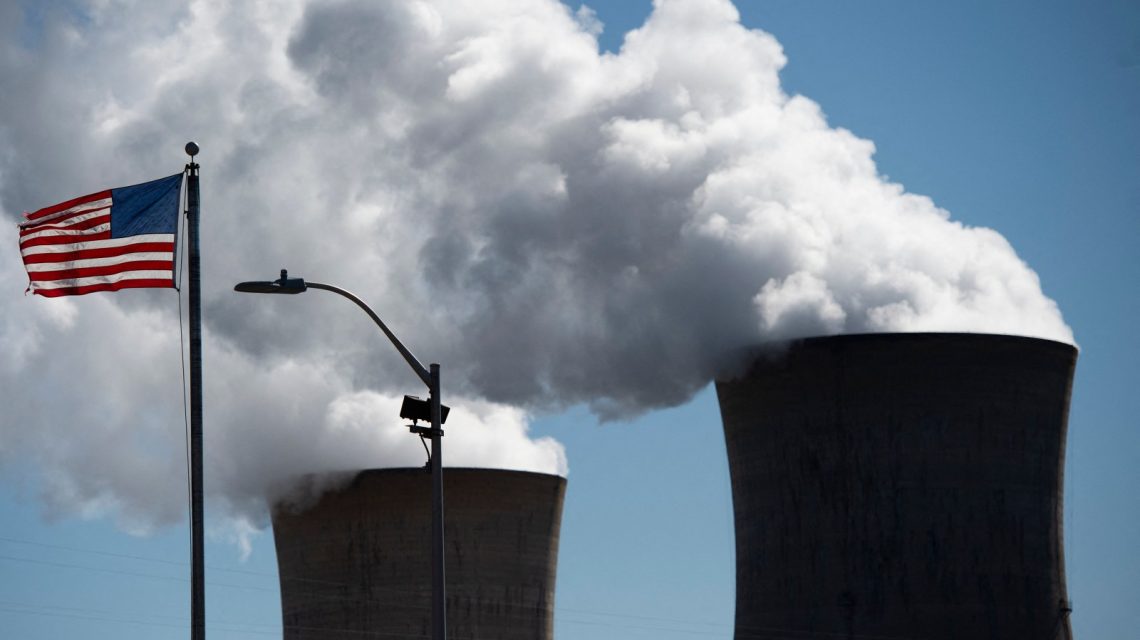
The Department of Energy (DOE) announced a new proposal that identifies five states as potential sites for nuclear waste storage. This plan supports the nuclear energy sector, which has experienced stagnation in the U.S. Efforts to enhance energy production coincide with the rise of AI data centers, which demand significant energy and water.
Bipartisan support has grown for nuclear energy as demand increases. President Donald Trump’s administration promotes nuclear development, with this initiative aiming to revitalize the industry. Opponents raise concerns about managing radioactive waste.
Newsweek contacted the DOE and governors of the five states for comments.
Potential Locations for Nuclear Lifecycle Innovation Campuses
The Trump administration’s plan suggests developing Nuclear Lifecycle Innovation Campuses. These would handle nearly 100,000 metric tons of nuclear waste, uranium enrichment, and fuel reprocessing. According to the DOE, these sites could attract $50 billion in private investment, create 25,000 jobs, and generate $10 billion in tax revenue.
Energy Secretary Chris Wright stated that out of 26 applications, Utah, Tennessee, Oklahoma, Louisiana, and Idaho were chosen, all led by Republican governors. The initiative would drive economic growth and provide thousands of high-paying jobs, aiming to rejuvenate the domestic nuclear fuel cycle.
“These campuses will be massive generators of economic growth,” Wright noted, “a direct result of President Trump’s leadership.”
Utah Governor Spencer Cox highlighted the potential for affordable power production, emphasizing the goal of national energy independence. Oklahoma Governor Kevin Stitt expressed eagerness in working with local communities to implement the project, enhancing the state’s energy resources.
Challenges in Nuclear Waste Management
Mark James from the Institute for Energy and the Environment acknowledged the ongoing difficulties in finding permanent storage for nuclear waste. He pointed out the federal focus and financial support for nuclear energy. He noted any changes might require Congressional approval, given Yucca Mountain in Nevada remains the designated permanent storage site.
“Finding willing state partners interested in economic benefits from storage and reprocessing opportunities is crucial,” James said.
Current U.S. Nuclear Waste Practices
The DOE manages over 90,000 metric tons of spent nuclear fuel meant for a permanent repository. However, political divides hindered progress, leaving nuclear waste spread across 70 sites in 35 states. Each year, about 2,000 metric tons is produced, less than half an Olympic pool’s volume.
Nuclear waste begins in steel-lined pools, later moving to dry storage casks made of steel and concrete. Unlike some countries, like France, the U.S. does not recycle nuclear waste due to President Jimmy Carter’s reprocessing moratorium. It expired, but facilities haven’t reopened.
Reprocessing is part of the administration’s plan, addressing obstacles in the nuclear development cycle. James pointed out the need for high-security measures, critiquing the administration’s tendency to prioritize speed over environmental safeguards.
“We must ensure speed doesn’t compromise public health and safety,” he said, emphasizing the long-term risks of nuclear waste.
Nuclear Waste Controversy
Nuclear waste management remains contentious among lawmakers. Yucca Mountain’s solution faced opposition, with concerns about size and environmental impact. Transport routes also raised safety questions, as many Americans live near proposed paths.
If mishandled, nuclear waste threatens health and the environment, causing radiation sickness and increased cancer risks. While nuclear waste decays, its danger persists over extended periods.