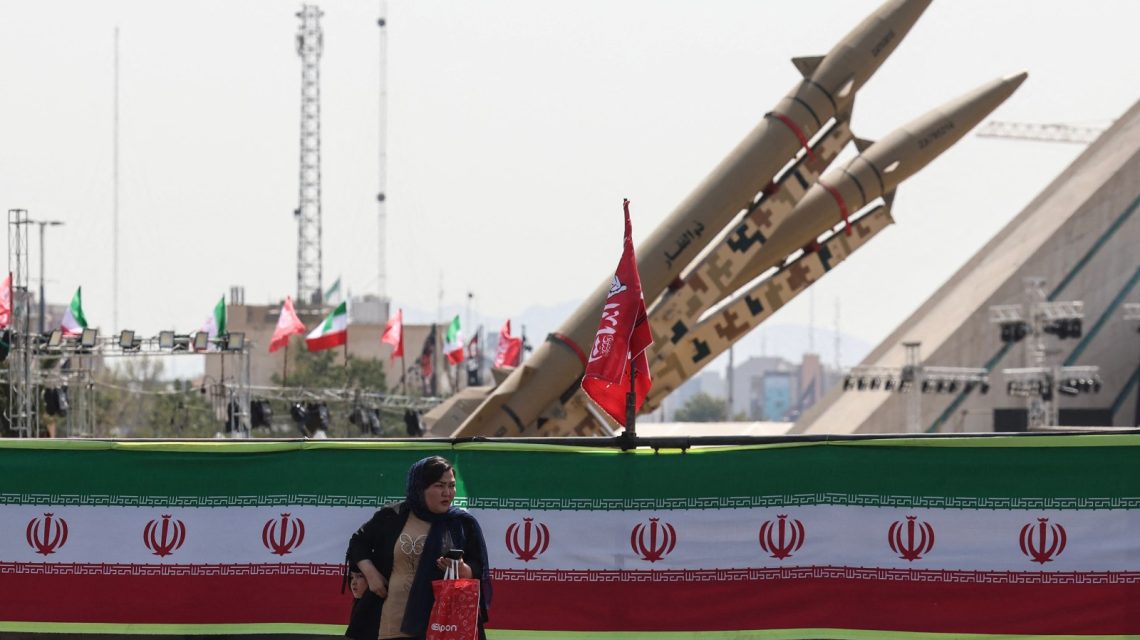
The United States and Saudi Arabia launched precision strikes in eastern Iraq on Tuesday. These strikes targeted militant groups aligned with Iran, as stated by the U.S. Central Command (CENTCOM). The groups were allegedly directed by Iran’s Islamic Revolutionary Guard Corps (IRGC) to attack U.S. forces and Saudi energy infrastructure.
CENTCOM reported that the operation focused on multiple logistics hubs and weapon sites. These actions came after a series of unsuccessful IRGC-directed drone attacks over the previous 72 hours. Additionally, CENTCOM revealed on Tuesday night that the IRGC attempted a surprise attack on American bases in the Middle East by launching multiple ballistic missiles. However, all missiles were successfully intercepted, and U.S. forces remain vigilant.
In a statement, Reuters indicated that the IRGC described the missile strikes as retaliation for U.S. actions against Iranian interests, specifically targeting a U.S. air base and a CENTCOM facility in Jordan.
What To Know:
The threat from IRGC-backed proxy forces becomes evident with over 600 attempted attacks against U.S. citizens and facilities recorded from February to April in Iraq. CENTCOM emphasized the need for the IRGC and its militias to halt these attacks or face further military actions. The strikes reflect the U.S.’s readiness to respond to threats attributed to Iranian-backed groups, despite ongoing diplomatic efforts with Tehran.
Rajan Menon, a professor emeritus of International Relations at the City College of New York, commented that without any existing ceasefire, such military incidents should be expected. Menon referred to both the U.S.-Saudi strikes and Iran’s targeting of the Muwaffaq Salti air base in Jordan.
Trump Hosts Netanyahu at the White House:
Just hours before the military operation, President Donald Trump hosted Israeli Prime Minister Benjamin Netanyahu at the White House. Iran was a key topic of discussion during their meeting. A White House official mentioned that Trump and Netanyahu aimed to discuss progress in Lebanon and expansion of the Abraham Accords, in addition to the ongoing conflict in Iran.
Netanyahu expressed, during an interview with Sean Hannity of Fox News, that the meeting with Trump was highly productive. Both leaders showed a shared commitment against Iran acquiring nuclear weapons, viewing the regime as a threat to global peace and the existence of Israel. Netanyahu also pointed out Iran’s hostility towards its neighbors, including Saudi Arabia and Kuwait.
The details of this story are evolving and further updates will be provided.
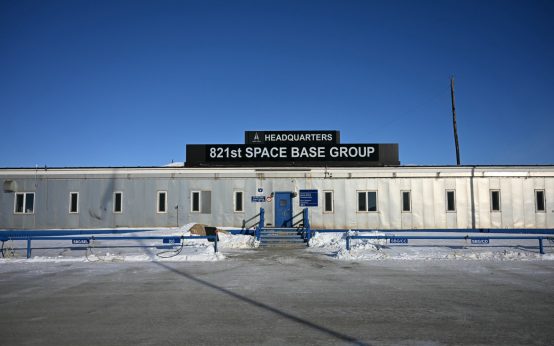 New U.S. Military Bases Planned in Greenland Amid Strategic Security Deal
 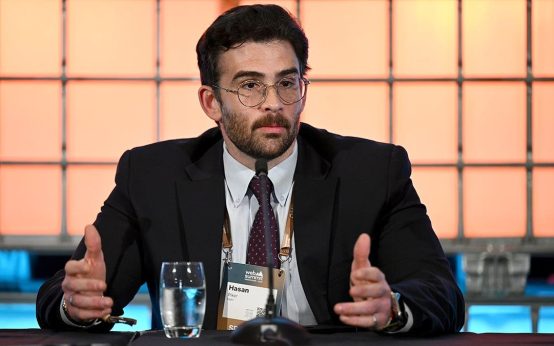 Twitch Streamer Hasan Piker Discusses Controversial Commentary
  A Shifting Political Landscape: The Decline of Autocratic Power
  Trump Delivers Warning to Iran, Cuba at UN General Assembly
 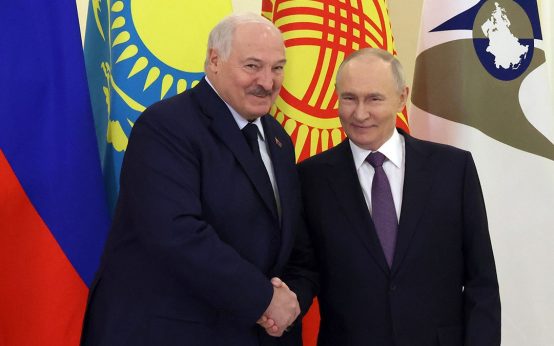 Lukashenko and Putin’s Unique Relationship and Belarus’ Strategic Role
  Alan Ritchson Faces Backlash Over Political Remarks