
When your internet falters during a video call or slows while ordering takeout, you likely don’t pause to consider if your network runs on cable, 5G, or fiber. You focus on completing tasks smoothly. However, many consumers choose internet services based on infrastructure labels such as fiber, instead of everyday experiences like speed and reliability.
Fiber, utilizing fiber-optic cables, is hailed as a superior technology for home internet. It transmits data via light through glass strands, enabling swift data movement. In contrast, cable networks use coaxial cables for final connections to homes. Many providers, such as Xfinity, integrate fiber into their broader network using coaxial delivery to homes.
Differences Between Fiber and Cable
Fiber is noteworthy for its ability to transfer large data amounts quickly, while cable networks, relying on coaxial cables, have their limitations. Despite this, hybrid networks like Xfinity’s, which combine fiber and coaxial technology, are evolving to provide more balanced upload and download speeds, enhancing overall internet performance without needing a full fiber overhaul.
Home Internet Experiences
The average U.S. home connects about 21 devices, from phones and tablets to smart appliances. Your provider should ensure these devices operate seamlessly. A strong network delivers:
- Reliability: Stable connections for streaming and downloads.
- Responsiveness: Websites and applications load promptly.
- Whole-home coverage: Consistent connection across your home.
- Multi-device performance: Simultaneous device use without bandwidth conflict.
- Consistency: Steady performance, even during peak times.
These traits shape your internet experience and are measured by independent studies comparing providers.
Assessing Internet Service
To evaluate if a provider meets your needs, consider performance data from real-user studies. These studies measure reliability, video quality, and speed. Some research includes both home and mobile network performance, reflecting the need for seamless connectivity both at home and elsewhere.
For instance, Xfinity excelled in national rankings for consistent quality, download speed, and video experience, affirming its network’s capacity to support activities like video calls and streaming. The Xfinity Gateway included in all plans optimizes in-home performance for numerous devices.
Questions to Consider When Choosing a Provider
When choosing an internet provider, think beyond just the technology. Consider:
- Reliability: Check the provider’s uptime and frequency of outages. Xfinity claims 99.9% reliability.
- Performance during peak hours: Investigate local coverage and recent outage reports.
- Multi-device handling: Assess if the network supports your device usage without sacrificing performance.
- Data insights: Leverage independent research for quality and speed data.
- Fit for household needs: Evaluate support for activities like gaming, streaming, and smart devices.
By weighing both technology and everyday performance, you can better identify the right provider for your household. Xfinity’s rankings demonstrate how these elements can enhance the internet experiences that users expect.
For more information about Xfinity’s plans, including their technology advancements and commitments, consider visiting their website.
 Protecting Your Finances from Increasing Cyber Threats
  Nvidia CEO Jensen Huang Talks AI, U.S.-China Competition, and Data Centers
 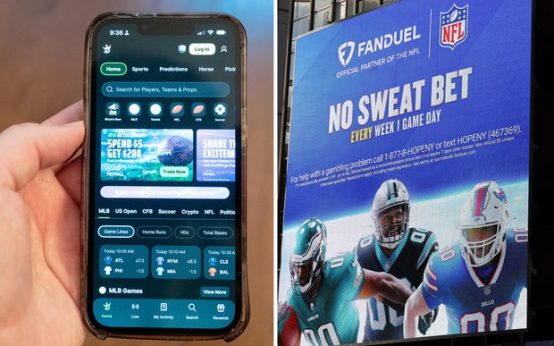 Legal Battles Over Sports Betting and Addiction Claims
  Concerns About Rapid Advancements in Artificial Intelligence
  Leading AI Companies Face Antitrust Lawsuit for Alleged Coordination
  Documentary Critiques Elon Musk’s Ambitions