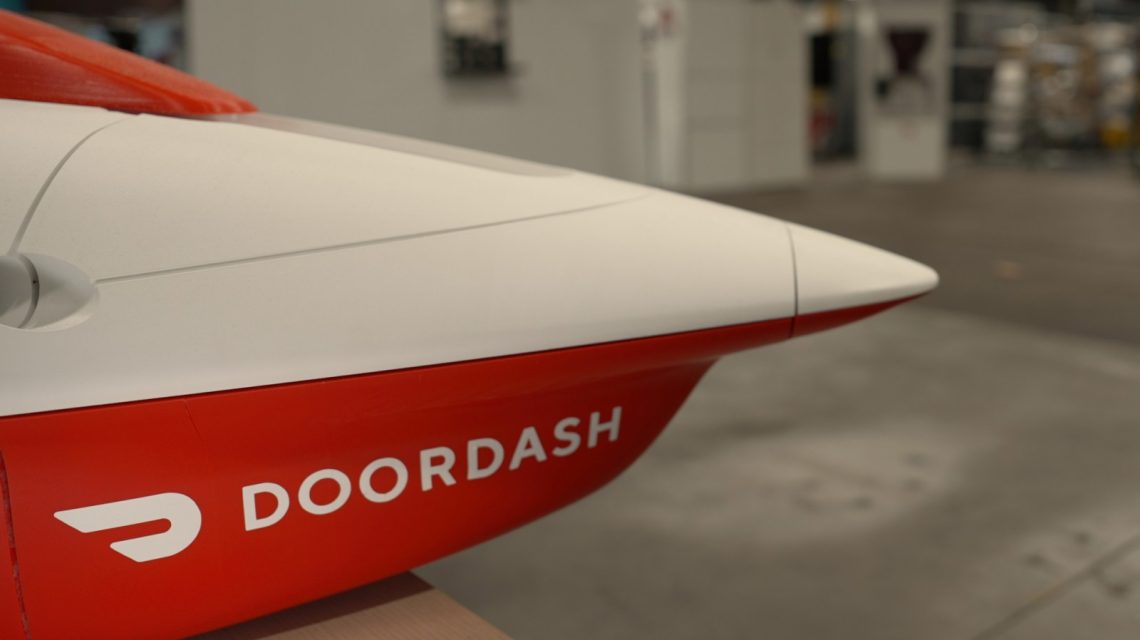
DoorDash’s latest venture into drone delivery is set to impact more than just how food reaches customers. The initiative could also create demand for workers with expertise in aviation, robotics, and technical fields—areas not traditionally linked to food delivery.
FAA Certification and DoorDash’s New Approach
This week, DoorDash announced it received Federal Aviation Administration (FAA) Part 135 air carrier certification, launching DoorDash Air. Developed by DoorDash Labs—the company’s robotics and autonomy division—the program positions DoorDash as the eighth operator in the US approved for drone delivery operations. Yet, despite this milestone, immediate deliveries have not commenced.
“The FAA issued an air carrier certificate authorizing DD Holdings A, LLC (DoorDash) to conduct operations under Part 135, allowing the company to perform daytime drone delivery operations,” an FAA spokesperson noted. However, the agency stated that actual deliveries will begin only after DoorDash’s aircraft and operations receive thorough FAA review and approval.
The Demand for New Skills in Delivery
As drone delivery expands, questions arise about whether this will reduce demand for human couriers. DoorDash argues instead that it will drive the need for new skills and expertise. The company expects that deliveries by Dashers, drones, and robots will grow in response to increasing demand, suggesting an expanding market rather than a shrinking one.
DoorDash’s shift to building its own aircraft and delivery infrastructure—through DoorDash Air—demonstrates a strategic pivot. The program aims to establish a comprehensive logistics ecosystem, incorporating tools and systems to decide optimal delivery methods for orders.
Impact on Human Couriers
DoorDash maintains that Dashers remain essential to its network, handling the majority of deliveries. Drone operations, focused on midrange deliveries, could enable Dashers to focus on shorter, higher-volume areas, potentially increasing their efficiency and earnings.
DoorDash emphasizes that drones are intended for specific situations and cannot handle tasks like navigating complex delivery locations or verifying identification for alcohol deliveries. The company has seen growth in markets testing autonomous deliveries without impacting Dashers’ earnings, suggesting that innovation could coexist alongside traditional delivery roles.
Approved Operators in Commercial Drone Delivery
Prior to DoorDash, seven other operators obtained Part 135 certification from the FAA: Wing Aviation, UPS Flight Forward, Amazon Prime Air, Zipline International, Causey Aviation Unmanned, DroneUp, and Drone Express. Notably, DoorDash built its reputation as a food-delivery marketplace, separating it from predominantly aviation-focused companies.
Global Trends in Drone Delivery
While DoorDash gears up for its drone release, other countries like China and Australia have already integrated drones into commercial delivery networks. In China, companies like Meituan have advanced low-altitude drone traffic management, offering expanded services in both domestic and international markets.
The evolution of drone delivery underscores ongoing industry changes. Launching such services requires extensive regulatory reviews distinct from traditional app-based food delivery. Globally, automation is reshaping delivery industry dynamics, fostering specialized job opportunities alongside traditional roles.
The debate over automation’s impact on employment continues. Nonetheless, DoorDash asserts that this advancement will create more opportunities by expanding delivery capacity, despite long-standing concerns about job displacement.
 Congressional Inaction Amid AI Concerns
  Rising Demand for Data Centers Driven by AI Development
  Understanding AI’s Impact Compared to Historical Threats
  Debate Over AI’s Governance Amidst Fearful Predictions
  Navigating AI Responses: A Personal Experience with Google’s New Approach
  Concerns About AI Responses in Health Information