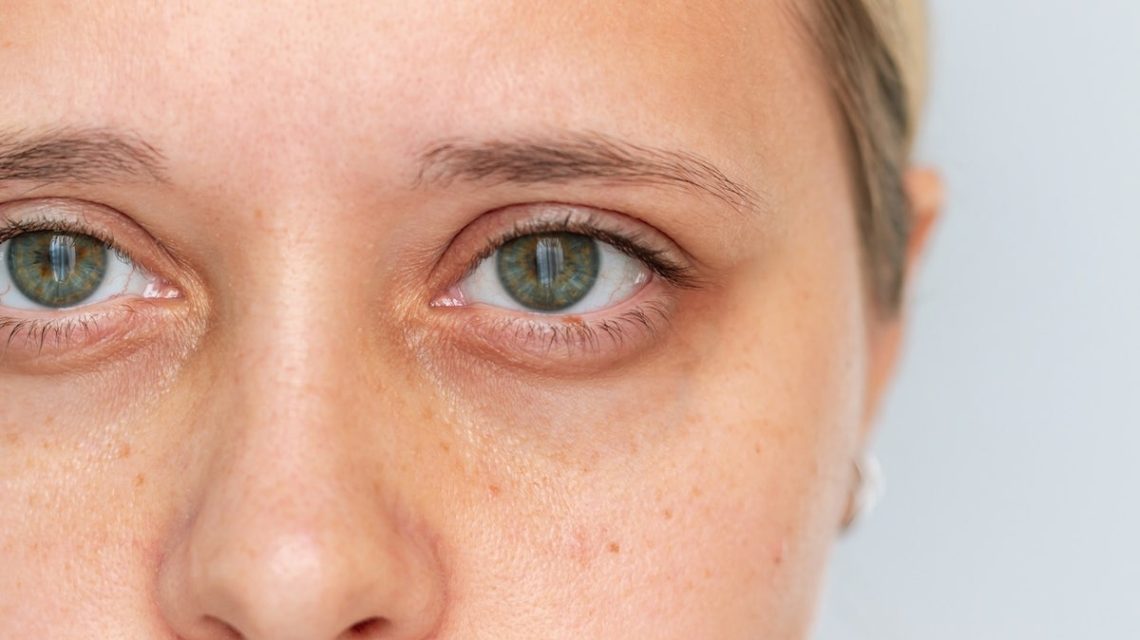
Dark circles under the eyes might signal more than cosmetic issues. They can indicate low iron, sometimes called “ferritin face” on social media. Experts confirm some truth exists in this trend, but with cautions.
Ferritin and Its Role
Ferritin acts as the body’s iron storage, explains Dr. Josef Hadeed, a Beverly Hills plastic surgeon. It is a protein storing iron in cells and releases it when necessary.
“When ferritin decreases, the body has difficulty producing hemoglobin, the iron-rich protein in red blood cells that delivers oxygen to tissues,” Hadeed states.
Low iron affects skin elasticity, making it seem thinner and less robust. This can make dark circles more prominent.
Symptoms of Low Ferritin
Apart from pale skin and dark circles, several other symptoms may indicate low iron, advises Dane Thomas, a Texas-based hematology physician associate.
- Low energy and fatigue
- Dizziness and lightheadedness
- Headaches and fainting
- Brittle or thin nails
- Hair loss
- Cravings to chew ice
- Restless legs syndrome
Thomas also mentions decreased exercise tolerance, difficulty concentrating, or shortness of breath with exertion.
Underlying Conditions
Beyond aesthetics, ferritin face might indicate conditions like chronic bleeding, gastrointestinal issues, cancers, or malabsorption. Bariatric surgery rises have increased iron deficiency due to absorption issues.
Medications like proton pump inhibitors or H2-receptor blockers can also lower iron. Identification and addressing root causes of deficiencies remain crucial. Collaboration with specialists can uncover causes like blood loss or malabsorption.
Diagnosis and Treatment
If low ferritin is a concern, consulting a doctor is key. Hadeed advises seeking professional help instead of self-treatment to avoid excess iron’s impact on organs.
Blood tests by healthcare providers determine iron levels, with potential stool, urine, or endoscopic evaluations. For women, gynecological assessments may be necessary.
Treating iron deficiency might involve supplements, IV iron, or transfusions for severe cases. Oral iron can cause side effects like nausea or constipation, but spacing doses can help absorption.
A diet rich in iron supports better health. Foods like beef, organ meats, leafy greens, legumes, and iron-enriched grains aid iron intake. Replenishing iron stores can reduce dark circles, restoring skin’s healthy appearance over months.
 Trump Administration Seeks to Influence NIH Grantmaking
  Understanding School Shooting Preparedness Drills
  Addressing the Complex Issue of Suicide and Its Prevention
  Quality of Sleep Linked to Risk Reduction in Various Diseases
  Exploring Diets and Their Potential to Reduce Alzheimer’s Risk
  Understanding School Safety Drills: Lockdowns vs. Active Shooter Simulations