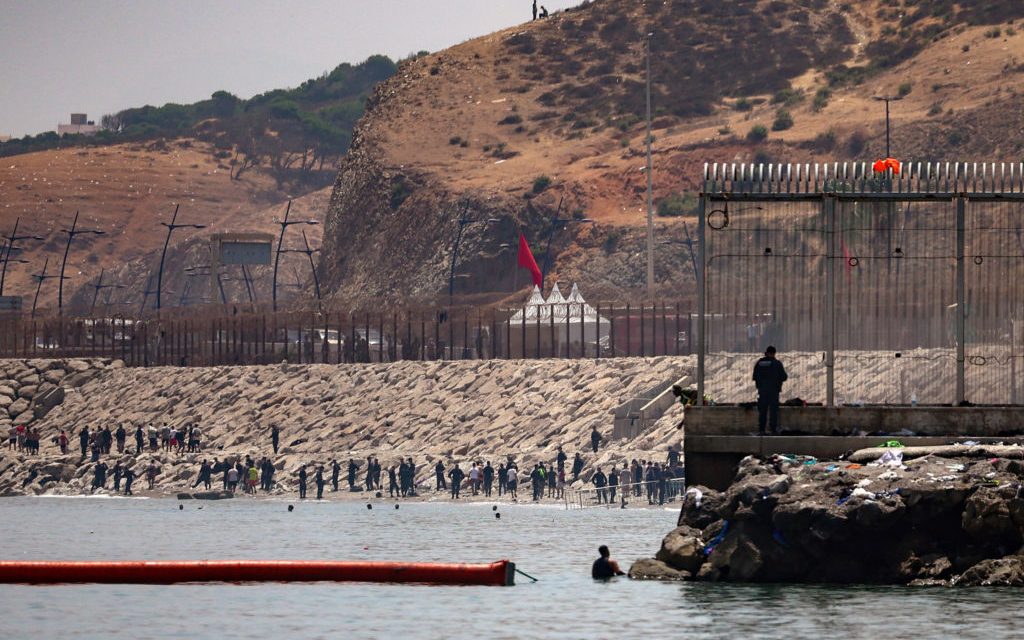
Spain is installing a 500-meter containment barrier on the sea border between its North African territory of Ceuta and Morocco. This action follows a breach by 50,000 to 60,000 migrants earlier this week.
The death toll from the incidents has reached 67. Some drowned, while others died in a stampede attempting to cross a breakwater barrier. Spanish Prime Minister Pedro Sánchez criticized some EU leaders’ response, who suggested Spain’s suspension from the EU’s borderless Schengen zone. Sánchez described these calls as being driven by prejudice, misinformation, ignorance, or political motives.
Despite security measures, exhausted migrants who reached Ceuta’s urban Tarajal beach were escorted back by soldiers. According to Spain’s interior ministry, most migrants have returned to Morocco.
Spain’s Interior Minister Fernando Grande-Marlaska defended heavy security presence and emphasized Morocco’s role as a reliable partner. He noted that cooperation with Morocco helped revert the situation within 24 hours.
EU Leaders Demand Coordinated Response
Leaders of 22 EU countries called for a coordinated response. They urged the EU’s presidency to hold an urgent videoconference of interior ministers. The leaders warned against allowing uncontrolled mass crossings and emphasized that illegal entry should not lead to legal residency. The letter, signed by leaders from various countries, stressed the need for a unified migration policy.
Sánchez asked for a similar videoconference, underscoring shared responsibility for border security. He criticized Italy’s Premier Giorgia Meloni for imposing border controls for arrivals from Spain. Sánchez condemned the selfish reactions of some EU countries, highlighting the current international context.
Migrants Return to Morocco
Many migrants who crossed to Ceuta returned to Morocco, citing degrading treatment in Spain. On their return, Moroccan authorities maintained order while migrants expressed frustration over living conditions in Ceuta.
Migrants described sleeping in forests around Ceuta, facing food shortages, and experiencing violence. Some tried to contact family for financial support to return home, while others still aimed to stay in Ceuta despite challenges.
In Tangier, migrants crowded the railway station, exhausted and demoralized. Some, having failed to cross, shared their hardships and disappointment. Meanwhile, a few migrants committed to remaining in Ceuta, expressing determination to endure regardless of restrictions.
Ceuta’s President Juan Jesús Vivas acknowledged disruptions in the city and called for a satisfactory completion of the return process.
This report includes contributions from journalists in Morocco, Spain, and Greece.
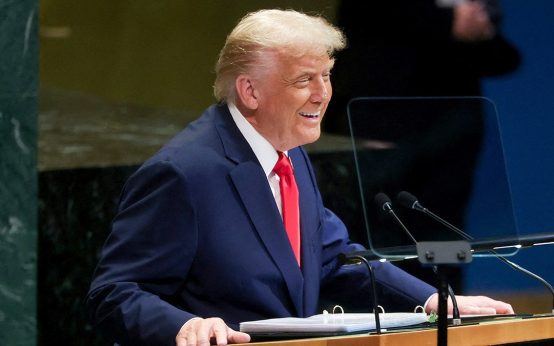 U.N. General Assembly Set to Host Key Diplomatic Moment
 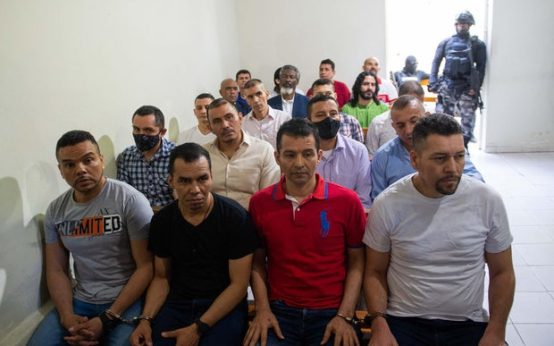 Suspects in Haitian President’s Assassination Await Extradition to U.S.
  Ambassador Avoids Timeline on Prolonged Iran Conflict
 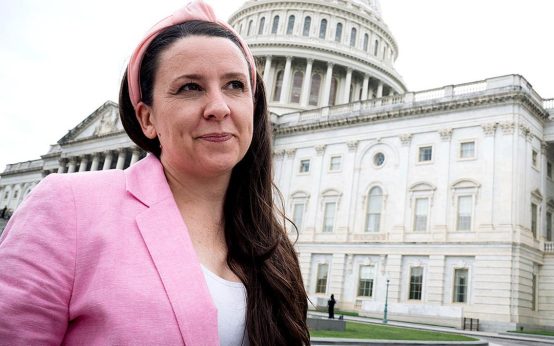 Controversy Surrounds Children’s YouTube Star and Journalist’s Revelations
 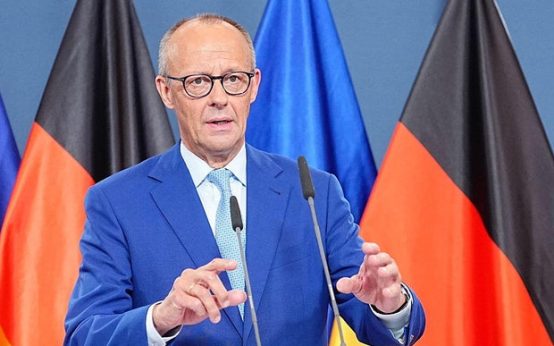 German Chancellor Friedrich Merz Faces Challenges After Election Losses
 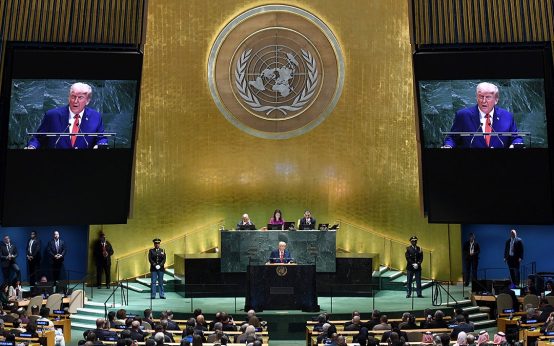 Trump’s Approach to Iran at the United Nations