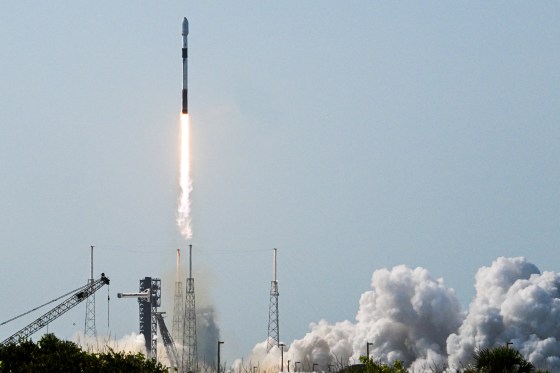
An obsolete component of a SpaceX rocket is about to collide with the moon, marking a highly unusual occurrence where a man-made object inadvertently targets the lunar surface. This event is only the second recorded instance of a rocket accidentally hitting the moon.
The moon has endured countless impacts over its lifespan, evident from its heavily cratered surface.
The imminent event involves a SpaceX Falcon 9 rocket, launched from Launch Complex 40 at Space Force Station in Cape Canaveral, Florida, on July 21. The rocket is now predicted to strike the moon next week.
Space missions rarely result in collisions with celestial bodies. This case highlights the unpredictable trajectories that space debris can follow after completing their missions. It also underscores the need for improved methods to manage space debris, ensuring minimal risk to both lunar and Earth’s environments.
The fascination with spacecraft and their journeys demonstrates the bustling activity beyond our planet. Such occurrences provide valuable insights into space exploration challenges, emphasizing safety and sustainability in our pursuit of the cosmos.
 Hurricane Formation and Strengthening
  Ancient Mastodon Tooth Unearthed in California Creek
  The Tiny World of the Pumpkin Toadlet
  Chimps and Self-Medication: Insights from Gombe Stream
  Rovelli Challenges Physics with Relational View
  Legal Waiver for Sharing UAP Information Announced