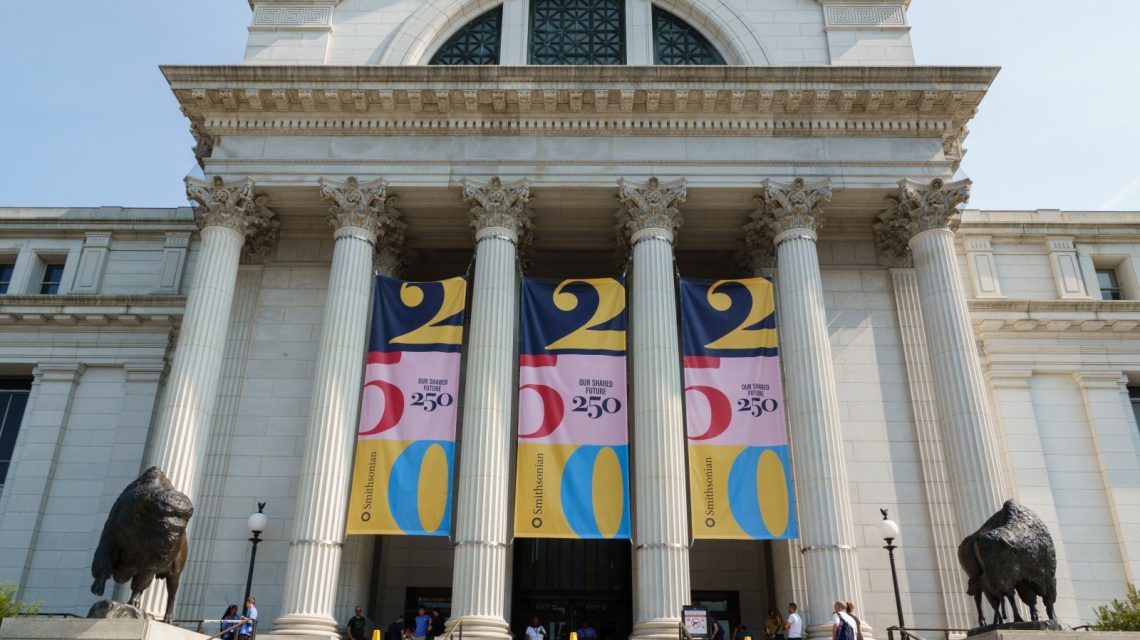
The Smithsonian Institution is recognized as the largest museum, education, and research complex in the world. Offering free entry, it attracts visitors from across the nation and globe. For years, it has stood as one of Washington’s most esteemed attractions, marking it a prominent entity in the capital.
The United States, though younger than ancient civilizations, boasts a distinguished history. The Smithsonian plays a vital role in bringing this history to life for countless Americans. Many have fond memories of engaging with its exhibits, such as the National Museum of American History (NMAH), which left a lasting impression on visitors.
Families often journey to Washington, D.C., ensuring future generations are inspired by America’s rich historical tapestry. The accomplishments and lessons learned by the nation have established it as a beacon of hope and freedom. As America approaches its 250th anniversary, the Smithsonian is expected to honor this milestone by displaying significant artifacts and creating new exhibits that capture the country’s remarkable journey.
However, recent changes in the Smithsonian’s approach have sparked controversy. Current leadership has introduced narratives that reinterpret historical foundations as unsettling. This shift, evident in exhibits and supported by a House Oversight hearing, suggests a move away from celebrating American achievements.
Director Anthea Hartig has advocated for broadening the scope of U.S. history to encompass all of the Americas. Critics argue that this approach veers from the museum’s purpose of focusing on America’s unique history. The introduction of the Center for Restorative History aims to address past harms and promote restorative justice. Concerns arise when the Smithsonian appears to apologize for aspects of American history.
The museum has also engaged with topics like “white supremacy culture” and described cultural norms as facets of “white culture.” Such stances have led to debates about the museum’s role in educating versus imparting political judgments.
Exhibits like “Girlhood (it’s complicated)” have drawn criticism for deviating from traditional celebrations of women’s contributions. The inclusion of figures like a biological male in spaces dedicated to women and girls challenges conventional notions of gender.
NMAH has revised its exhibit criteria to address a suite of political and social issues, such as race, gender, environmental change, and more. This approach is perceived by some as aligning more with political agendas than historical education.
The Smithsonian’s mission should be to inspire visitors and instill a sense of duty toward national service. Historical education involves engaging with both triumphs and challenges. Encouraging resentment toward heritage can deter future preservation efforts.
The Smithsonian is a national treasure, supported by taxpayer funds, and its operations represent a service, not a platform for political expression. Distorting history to fit present narratives risks transforming truth into falsehoods.
Representative Michael Cloud from Texas’s 27th Congressional District shares these views independently.
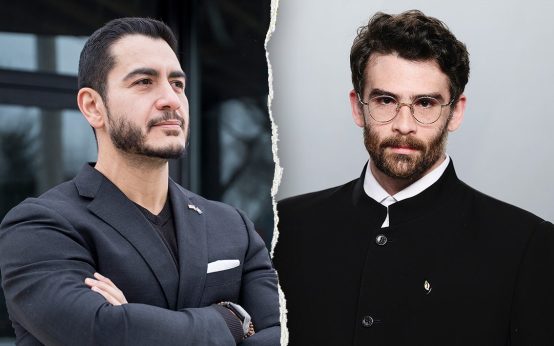 Flight 93 Hero’s Father Criticizes Ties Between Hasan Piker and Abdul El-Sayed
  House Races Shift Amid Democratic Momentum
  Iowa Senate Race: Marist Poll Shows Democrat Josh Turek Leading Republican Ashley Hinson
  Kamala Harris and Abdul El-Sayed Campaign Together in Detroit
  Challenges Facing the Supreme Court’s Public Perception
  California Democratic Aide Arrested for Visa Overstay by Federal Authorities