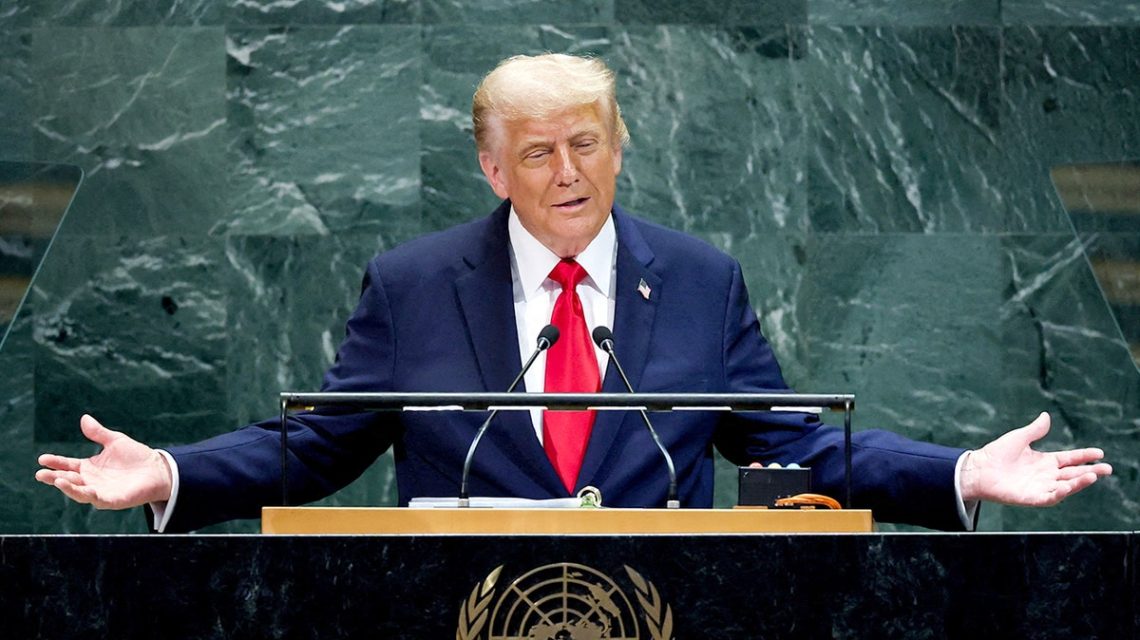
The United Nations (U.N.) headquarters in New York City is preparing for an intense week as over 100 global leaders arrive for critical discussions. The attendees include 73 heads of state, 45 heads of government, 49 ministers, 11 vice presidents, and one crown prince. This convergence coincides with significant global challenges such as wars in the Middle East and Ukraine, economic pressures from energy market disruptions, and questions about the U.N.’s efficacy in today’s divided world.
According to U.N. spokesperson Stéphane Dujarric, the atmosphere is described as ‘high stress’ due to the enormous volume of planned activities. There are approximately 1,000 requests for bilateral meetings, with 168 events scheduled for the high-level week.
This year’s General Debate under the theme ‘Restoring trust, managing transformation: A United Nations that delivers for all’ begins on Tuesday. Officials from various nations will use this opportunity to capture the attention of the United States and participate in a sort of diplomatic competition. Among them is Indian Prime Minister Narendra Modi meeting with Iranian officials amidst U.S. sanctions warnings.
Frank Ahrens of BGR Analytics highlighted this as a key time for countries to increase their profile in the U.S. A recent analysis by BGR Analytics called the 2026 BGR Impact Index assesses countries’ influence in the U.S. using economic, cultural, diplomatic, institutional, and geopolitical measures. Japan leads the index, followed by Germany, Canada, the United Kingdom, and South Korea.
President Donald Trump is set to attend the General Assembly as the U.S.-Iran conflict continues into its seventh month. This conflict has disrupted shipping through the Red Sea, affecting regional security and putting pressure on European and Asian allies to increase their involvement, despite resistance.
The General Assembly’s agenda extends beyond Iran, focusing on Russia-Ukraine tensions, Israeli-Palestinian conflicts, Sudanese issues, climate change, and artificial intelligence. Noteworthy speakers include Iranian President Masoud Pezeshkian and Ukrainian President Volodymyr Zelenskyy.
Assessing a nation’s influence is complex. BGR’s index, using over 100 indicators such as GDP, population, foreign investment, and lobbying activity, includes significant emphasis on social media sentiment, accounting for 20% of the influence measure. Social media’s impact is demonstrated by Bahrain’s 22-place rise in the index due to improved sentiment and visibility from international engagements, while Georgia fell 31 places due to negative sentiment linked to internal unrest.
Ahrens emphasizes that attention differs from real political sway, with lasting influence requiring concrete achievements. The index merges sentiment with tangible metrics like economic relationships and international participation.
An example of changing national perception in the U.S. comes from the ‘Freddy Effect’—a German World Cup fan whose online presence increased positive U.S. sentiment toward Germany by 13%. His viral posts highlight the potential for authentic communication to significantly influence public perception.
This insight could prove valuable as global delegations gather in New York with limited time to secure strategic meetings and media attention. They aim to showcase their countries effectively within a few days, hoping to make a significant impact in the U.S. and on the global stage.
Reporter Efrat Lachter, with over 15 years of experience in conflict and global affairs journalism, offers in-depth perspectives on these unfolding events. Her work has earned her recognition and various awards, adding credibility to her reporting on these complex issues.
 Federal Appeals Court Decision Against Trump’s ‘Third-Country’ Deportation Policy
  Ed Sheeran’s Philadelphia Concert Amid Controversy
 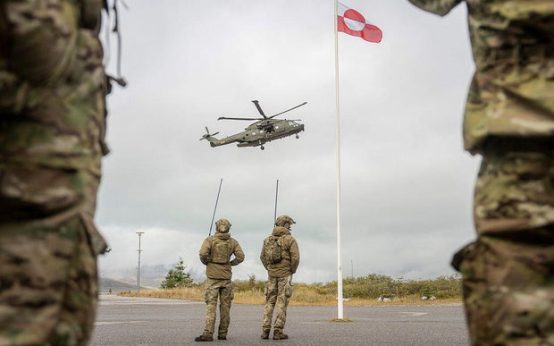 U.S. Secures Strategic Control Over Greenland
 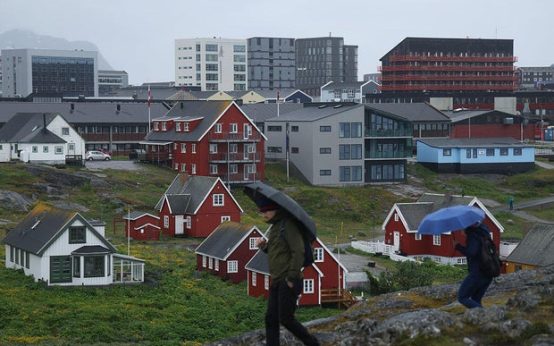 U.S. Security Agreement in Greenland Sparks Optimism and Concerns
 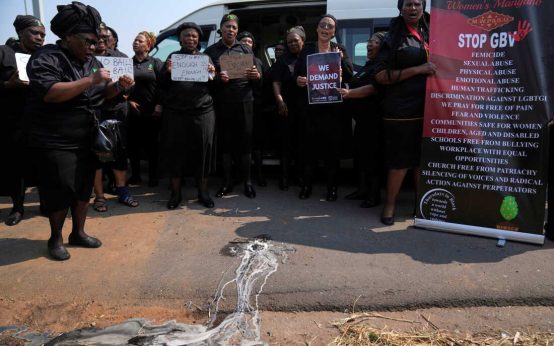 Impact of Gender-Based Violence in South Africa
 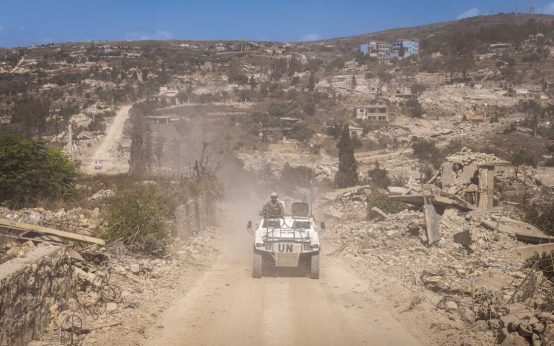 UNIFIL Operations in Southern Lebanon Amidst Ceasefire Challenges