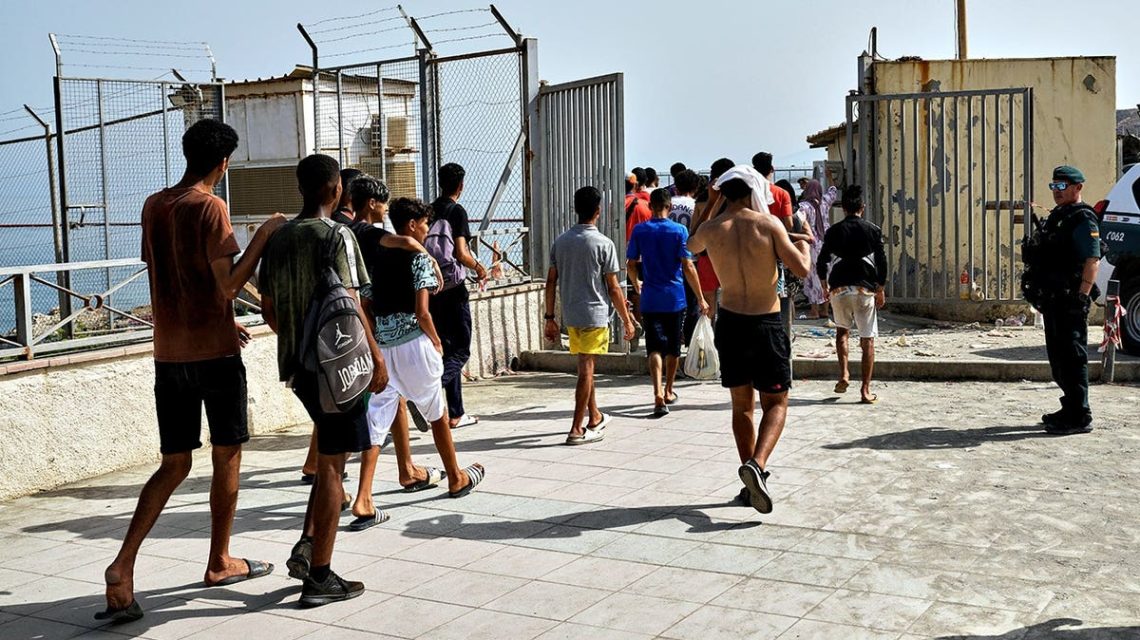
At least 72 migrants have lost their lives during a chaotic attempt to enter the Spanish enclave of Ceuta, transforming a border crisis into a major humanitarian issue. The tragedy is triggering renewed debate over immigration policies in Europe.
Spanish authorities continue their search for more victims in the waters off Ceuta. Between 50,000 and 60,000 migrants, mostly young men, crossed into this small Spanish territory in North Africa. Many migrants drowned during the crossing, while others died in a stampede near a breakwater barrier.
The influx occurred over several days, temporarily boosting Ceuta’s population, which usually totals around 84,000, by more than half. By the end of the weekend, some migrants returned to Morocco, while others remained in Ceuta or evaded authorities.
“It pains me deeply that young people are dying at sea. It’s not right that, in the year 2026, women with children as young as two months old should be crossing the sea only to die.” – Karima Abenaz
The deaths have ignited political disputes over immigration in Spain and throughout Europe. Far-right political figures demand stronger border controls and removal of the remaining migrants. Santiago Abascal, head of Spain’s Vox party, condemned government actions and labeled the migrant flow as an ‘invasion,’ criticizing what he perceives as a lack of border protection.
Tensions rose further on Saturday when European Parliament member Alvise Pérez encountered angry counterprotesters during a rally in Ceuta. Police eventually escorted him from the area.
Many local residents expressed anguish over the deaths. Karima Abenaz, a French national in Ceuta, conveyed her distress about the loss of life and argued for better economic opportunities to prevent such tragedies.
Others, like Mohamad Abdelkader Driss, a local waiter, argued that the authorities should bear responsibility for the crisis. He believes opening the border predictably led to the influx and does not fault the young migrants.
Ceuta, noted for its diverse religious communities, faces challenges as residents question the security and the potential for another mass crossing.
The U.S. State Department elevated its Travel Advisory for Ceuta to Level 3: Reconsider Travel, indicating concerns over security following the mass migration from Morocco.
 Pope Leo XIV Advocates for Universal Healthcare and Social Equality in Uruguay
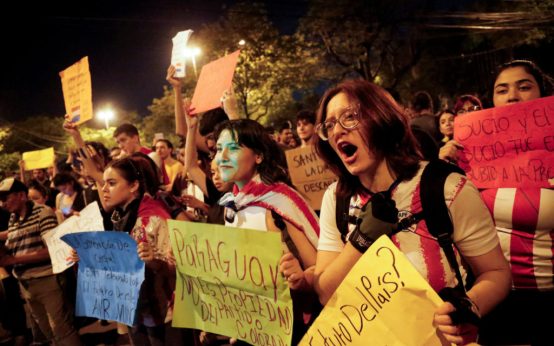 Paraguay’s Political Crisis: Former President’s Ouster and Bank Collapse
 Shooting in Kraków’s Main Market Square: Five Dead, 12 Injured
 Transformation: AI Changes What Robots Can Accomplish
 Paraguay’s President Impeached and Arrested Amid Banking Scandal
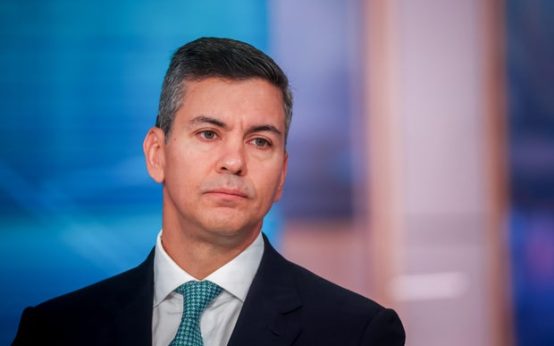 Paraguay’s President Faces House Arrest Amid Banking Crisis