Key senators introduced a short-term spending bill to ensure federal agencies remain funded past the midterm elections and into December. The measure aims to prevent a government shutdown during campaign season. The Senate plans to vote on the bill before its August recess, prioritizing election efforts over legislative work.
The proposed bill maintains current funding levels through December 11. While the House passed a similar measure, it differs in excluding certain White House requests. Negotiations continued on exceptions to be included, with the administration’s $1 billion proposal for “Trump-class” battleships notably omitted.
A unique aspect of this legislative action is its timing. Unlike the usual last-minute rush, senators are addressing funding concerns months ahead of the fiscal year ending on September 30. Senate Majority Leader John Thune emphasized avoiding a third shutdown, referencing two significant shutdowns in the past ten months.
Both parties seek to prevent a shutdown before elections. Congress has struggled to finalize annual appropriations bills by the September deadline. Extending funding allows time to resolve differences on full-year appropriations. Republicans advocate for increased defense spending, proposing a 10% reduction in non-defense programs, while seeking a 44% defense budget rise.
Prior shutdowns have not favored either party, adding pressure to reach consensus. Democrats focus on extending a health insurance tax credit, while Republicans argue this falls outside the current spending bill framework. Past conflicts, such as the 76-day dispute over Homeland Security funding, showcase the complex negotiations involved.
The bill also postpones a contentious grant policy from the Trump administration. This rule requires senior political appointees to evaluate grants based on whether they align with presidential policies. Concerns about political bias in grant distribution led Senators Susan Collins and Patty Murray to delay its implementation within the stopgap bill.
Democrats criticize the proposal, fearing the politicization of grants. Senate Democratic leader Chuck Schumer condemned the effort as detrimental, while Sen. Murray pledged continued opposition. The White House argues the rule enhances accountability, preventing taxpayer money misuse.
 Republican Senator Criticizes Trump’s $5,000 Check Proposal
  Trump’s Approach to Iran at the United Nations
 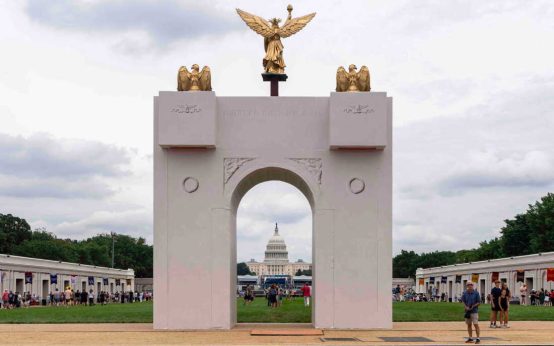 Trump’s Triumphal Arch Controversy
 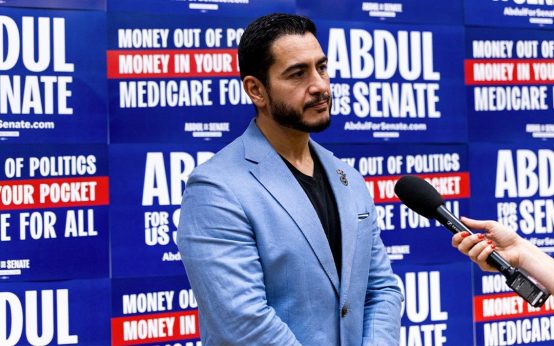 Concerns Over Abdul El-Sayed’s Potential Senate Role and National Security
  Kentucky Governor Andy Beshear Discusses Tariffs, Faith, and Political Ambitions
 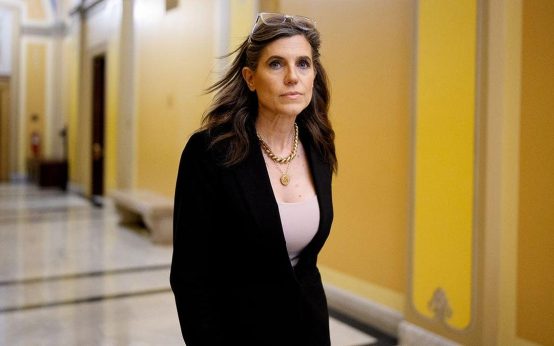 Sunday Highlights: Lane Kiffin, Nancy Mace, and College Football Drama