In recent weeks, the clashes between the US and Iran have intensified, revealing notable divisions within Iran’s leadership. These divides reflect varied strategies on handling conflicts with the US. While Iran’s leaders exhibit unity in opposing the US, differences emerge regarding the ultimate goals.
Competing Visions Within Iranian Leadership
On one side, hardliners within the Paydari movement, advocating for complete control over Iranian society, oppose any talks with the US. They push for a total victory in conflicts. Their firm stance is evident in their vocal opposition to negotiating with the US.
Conversely, figures supporting President Masoud Pezeshkian and Parliament President Mohammad Bagher Qalibaf see military pressure not as an end in itself but as a route to negotiating with the US. Concerns over Iran’s economic strain from the conflict and social change also motivate this group.
Negotiation is a political tool and complements military action to coerce concessions from the enemy,
wrote Mahdi Mohammadi, an advisor to Qalibaf, on a social media platform.
Internal Struggles and Leadership Speculations
The internal struggle reflects a broader fight for Iran’s future following the conflict. A key uncertainty lies in the new Supreme Leader, Ayatollah Mojtaba Khamenei’s stance. Reports suggest he was injured in a February 28 attack. His absence adds to the uncertainty.
Despite differing approaches, a significant agreement on a ceasefire with the US in April saw support from Iran’s Supreme National Security Council, with 12 out of 13 members endorsing it. The lone opposition came from Saeed Jalili, a prominent Paydari member.
Impact of Ceasefire Collapse and Continued Tensions
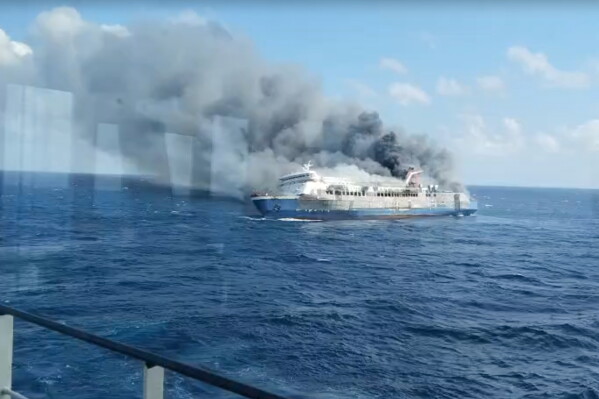
The ceasefire unraveled as hostilities resumed, centered on control of the strategic Strait of Hormuz. Promised financial incentives, including access to frozen assets, failed to materialize, fueling frustrations.
Ali Vaez, director of the Iran Project at the International Crisis Group, noted that without the benefits of the agreement, the leadership lacks serious division over next steps. The hardline faction believes President Donald Trump only responds to strength.
Growing Influence of Hardliners
The hardliners’ influence was evident at the funeral of former Supreme Leader Ali Khamenei, where mourners demanded revenge against the US and Israel. Saeed Jalili’s attendance was well-received, while Pezeshkian faced hostility.
The hardline faction uses state television and public gatherings to bolster opposition to negotiations and to depict Iran as poised for victory. State TV has disrupted broadcasts of Qalibaf and Pezeshkian, complicating efforts to negotiate.
Challenges and Responses from Pragmatists
The pragmatic faction stresses addressing public grievances over the economy and political repression. They argue that unity demands attention to these issues.
Continued economic distress, including inflation and unemployment, adds pressure. A final agreement with the US could alleviate sanctions and recover finances.
Warnings about the internal costs of prolonged conflict emerge from reformist parties. Notably, President Pezeshkian’s son, Youssef, highlighted the need to balance military objectives with economic realities.
Looking Beyond the Conflict
The struggle among factions reflects jockeying for future power given the leadership changes. The outlook of new leader Mojtaba Khamenei remains uncertain. Reformists contemplate whether he will usher in moderation or lean more radical.
Ultimately, the Supreme Leader holds pivotal power to temper extreme factions. However, failing to check radical elements might escalate future conflicts.
 Karoline Leavitt on Trump’s Tense Calls with Putin and Xi
  Florida Governor Race: Byron Donalds Adjusts Campaign Approach
  Trump Meets Zelensky and Plans for U.S.-China Relations
  Tight Senate Race in Maine as Susan Collins Faces Criticism
  Trump’s Vision on Iran, AI, and Global Security at the UN
  Noncitizens Charged with Voter Fraud in the U.S.