Some believe that the WNBA may soon face challenges as discussions continue about the possibility of biological males competing in female leagues. Notable figures in women’s sports are raising concerns about the potential implications of such changes.
Concerns from Former Coaches
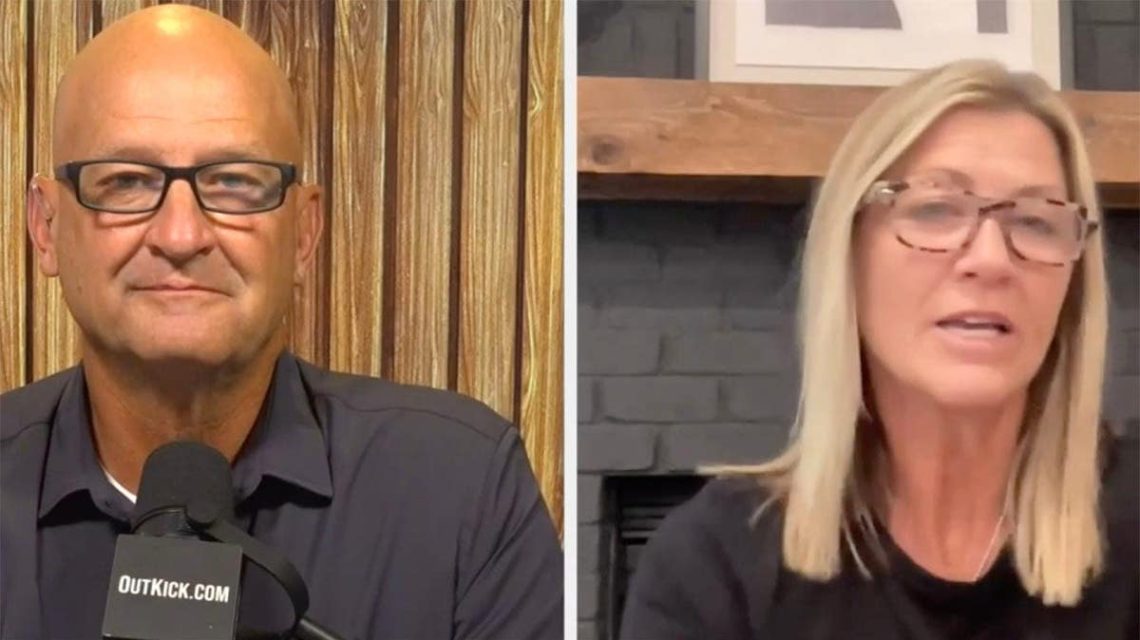
Leigh Ross-Dakich, a distinguished softball coach with over 500 game victories at Bowling Green and Syracuse, voiced her concerns recently. During an interview with her husband on the OutKick show “Don’t @ Me,” she warned that female athletes could be disadvantaged if biological males are allowed to compete in women’s leagues.
“Let’s go. One league. Let’s see what happens. What’s going to happen is that girls are going to get wiped out,” Ross-Dakich remarked.
Physical Differences
The debate hinges on the physical differences between men and women. Ross-Dakich and other critics argue that these differences could lead to unfair competition if biological males are included in women’s sports. Despite these arguments, some supporters of inclusion, like Golden State Valkyries head coach Natalie Nakase, maintain that the WNBA should be inclusive.
Billie Jean King’s Position
Billie Jean King, an iconic figure in tennis and a champion for gay rights, has spoken about these differences. While acknowledging them, she still advocates for the inclusion of trans athletes in female sports. This stance has perplexed some athletes, including tennis legend Martina Navratilova and Ross-Dakich.
“The players that are here now, I don’t know if they understand what women had to go through years ago in the ’70s and ’80s to get to a point where they actually could play and have their own leagues. I don’t think they understand that,” Ross-Dakich explained.
Future Implications
As this conversation continues, there are concerns about the impact on the future of women’s sports. Without employment considerations, some believe that public figures like Billie Jean King and Megan Rapinoe support inclusion policies but might not fully consider the long-term effects on female leagues. Ross-Dakich fears that allowing biological males into these sports could marginalize women.
“If you want to do that and make one league, women will be phased out. These women that are fighting for women – women power – are now phasing themselves out of jobs,” Ross-Dakich added. “You’re not saying that trans kids can’t play. Whatever is on your birth certificate is where you should be playing. It’s common sense.”
The conversation continues as stakeholders weigh the benefits and potential challenges of inclusivity in sports.
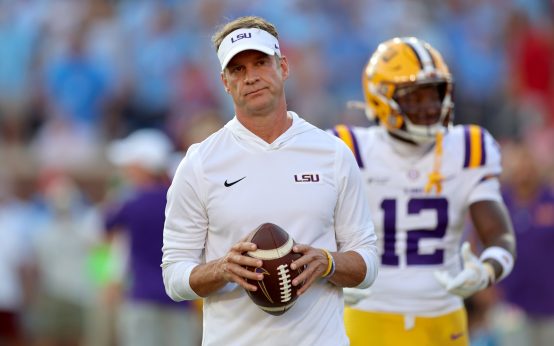 Lane Kiffin’s Return to Oxford Brings Mixed Feelings
 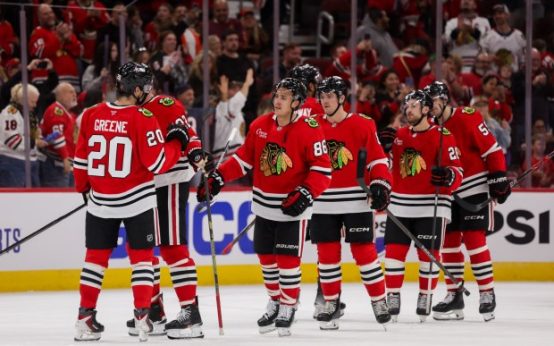 Chicago Blackhawks Triumph in Overtime Against Minnesota Wild
 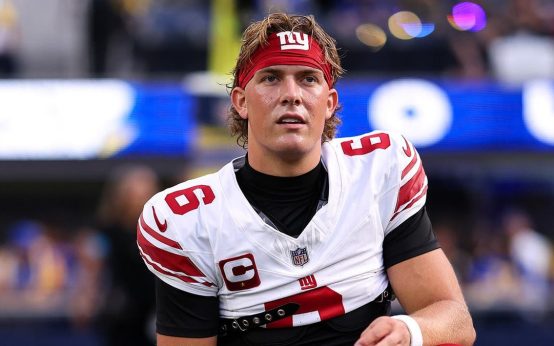 Giants’ Season Takes a Hit with Jaxson Dart’s Injury against Rams
  Retired Navy Petty Officer on Powerful National Anthem Performance
  Travis Kelce’s Impactful Performance Lifts Chiefs Over Colts in Overtime
  Lane Kiffin Faces Criticism After Ole Miss Loss; Zach Ertz Returns to Eagles