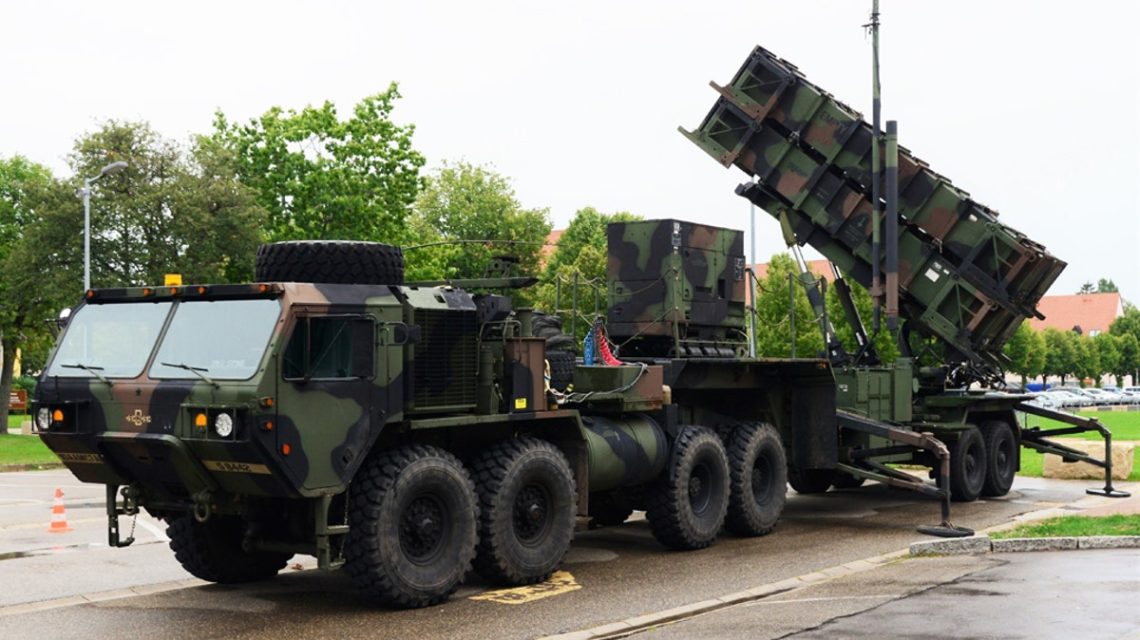
The Trump administration has dismissed concerns regarding the depletion of the U.S.’s advanced long-range missile stock after a recent report. This report, citing internal Army data, suggested the military used nearly all stock of its primary long-range precision weapons during the conflict with Iran.
The usage of Army Tactical Missile Systems (ATACMS) and Precision Strike Missiles (PrSM) was extensive over the five-month conflict, raising fears about future military responsiveness. Such concerns extend to possible future conflicts with adversaries like China and Russia.
The White House rebuffed any claims of weapon shortages. President Donald Trump highlighted the surplus of munitions, dismissing any deficit concerns. He criticized past actions by President Joe Biden’s administration in providing munitions without cost to Ukraine and Europe.
Trump indicated that U.S. defense companies are boosting production significantly. This production surge is not only to meet domestic needs but also aims to supply allies in Europe and elsewhere.
The report underlined a longstanding challenge for the Pentagon. America’s precision weapons, though advanced, can be quickly exhausted while their replenishment takes much longer. Reports also noted stock reductions in Patriot and THAAD missile interceptors and Tomahawk cruise missiles. Still, the Pentagon insists on retaining operational capabilities globally.
“America’s military is the most powerful in the world,” stated Pentagon spokesman Sean Parnell, highlighting the U.S. military’s preparedness.
Independent analysis echoes these military constraints, estimating a significant depletion in the Patriot interceptor stockpile. The Center for Strategic and International Studies reported a 65% reduction in this stockpile since the Iran conflict began.
ATACMS and PrSMs are crucial to the Army for their ability to strike distant targets without endangering pilots. Meanwhile, Patriot and THAAD systems serve defensive roles, intercepting incoming missiles, and Tomahawk missiles enable long-range naval attacks.
The Pentagon’s concern, particularly with high-stakes conflicts, has driven efforts towards more cost-effective alternatives. These include utilizing inexpensive drones and autonomous systems. However, officials clarify that drones cannot wholly substitute for precision missiles required for specific high-value target strikes.
President Trump has actively engaged with leading defense contractors. He has pushed for increased manufacturing speed, especially amidst ongoing conflicts in Iran and Ukraine. By emphasizing the need for rapid production, Trump aims to maintain U.S. military readiness and quality.
The administration’s budget reflects this focus. With a proposed defense budget of $1.5 trillion, the emphasis is on enhancing drone and autonomous system investments, augmenting munitions production, and acquiring Tomahawk cruise missiles.
 Zohran Mamdani Faces Backlash at Staten Island Event
  Legal Battle Over Media Ban at White House
  Governor Pritzker Addresses Hasan Piker Controversy
  Trump and NYC Mayor Mamdani: Political Divides and Collaborative Efforts
  Rep. Jared Golden Endorses Mike Lawler for Reelection
  Seattle Protects Nonmonogamous Relationships from Discrimination