
Sitting at your computer, you may come across a familiar-looking party invitation. Although it appears genuine, such emails can pose a risk. Criminals use them to trick recipients into downloading software that grants access to your computer.
Identifying Fake Invitations
The scam begins with trust. An invitation with a recognizable name can lower your guard. Scammers mimic legitimate invites, using graphics and messages to prompt you into clicking a link. This redirects you to a site asking for a software download, claiming it’s necessary to view the event details. Legitimate invitations do not require software installation.
The landing page might show a large “Download invitation” button and display a familiar company name in the web address. Criminals use these tactics to seem credible at a glance. A real domain should be verified, not merely recognized.
Risks Associated with Downloading
Downloading the supposed invitation can install malicious software on your system. These files may contain tools that remotely access your computer. You risk exposing personal information, and your compromised account could spread the scam further.
Common Reasons Why Scams Persist
People often receive spam and impersonation emails. AI tools aid scammers, creating convincing messages and designs. Familiar names replace verification. Despite improved filters, certain messages still reach inboxes, leaving you responsible for assessing their legitimacy.
Precautions to Avoid Fake Invitations
- Keep your antivirus protection active. Conduct a security scan if you suspect you downloaded malicious files.
- Do not install software for viewing an invitation. Legitimate invites display within a browser or app.
- Examine links before clicking. Hover over links without clicking to reveal their destination.
- Access invitations using official means. If in doubt, visit the official website or app.
- Request confirmation from the sender. Contact the sender through another method if the invitation seems odd.
- Avoid opening suspicious files. Delete them without opening.
- Report phishing attempts to your email provider.
- Limit personal information online. Use data removal services to reduce exposure.
- Use two-factor authentication for email security.
- Change passwords if information was entered on suspicious pages. Review accounts for unusual activity.
- React quickly if a file was opened. Disconnect from the internet and conduct a security scan.
Avoid dubious messages that ask for downloads. Stay vigilant, especially if something feels off. These scams rely on you overlooking small details. By exercising caution, you can prevent unauthorized access to your computer.
 President Trump Proposes ‘Super Intelligence’ as New AI Term
  First Lady Melania Trump’s AI Education Push Amid Concerns
  Expansion of Data Centers Fueled by AI Development
  Beijing’s Tactical Undermining of U.S. Supremacy Through AI
 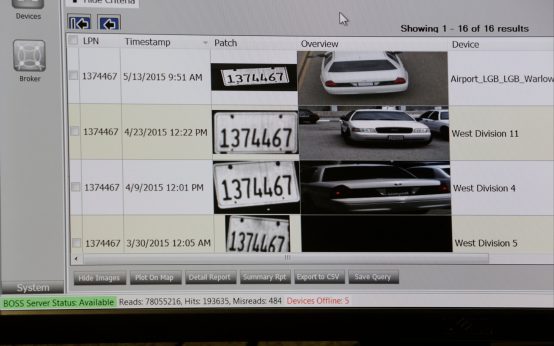 Controversy Surrounds Automated License Plate Readers Across the U.S.
  Trump and Harp Sued Over Truth Social Subscriber Program