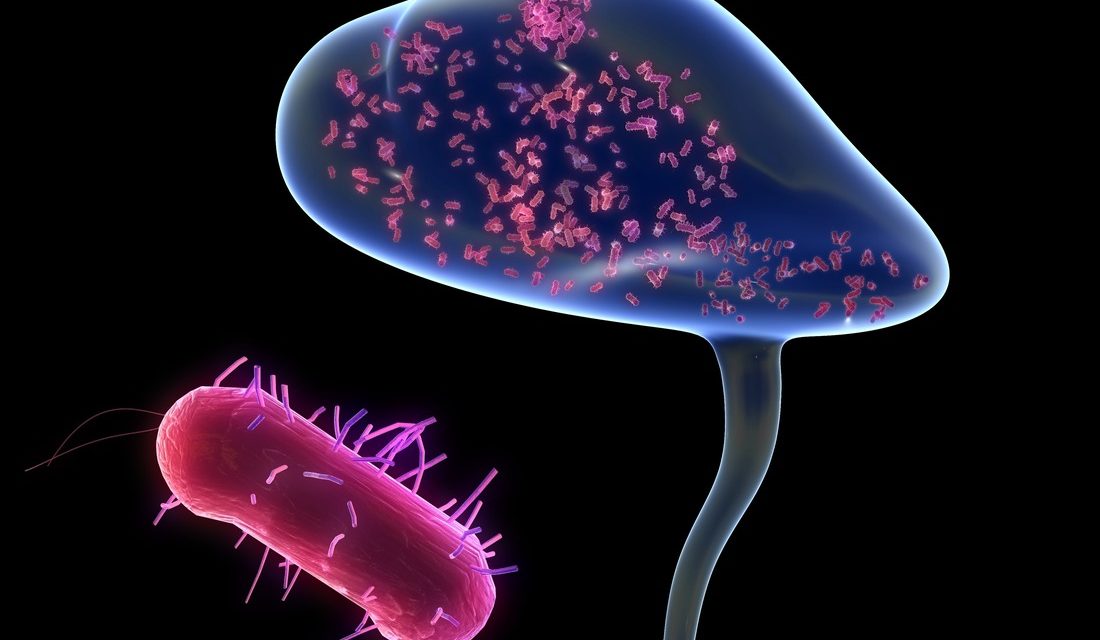
Over 400 million urinary tract infections (UTIs) occur worldwide each year. This common health issue primarily affects the bladder, with E. coli as a frequent bacterial cause. If you’ve felt a burning sensation during urination or increased frequency, you might have experienced a UTI. They arise when bacteria invade part of the urinary tract, often leading to infection. Research estimates that 60% of women and 10% of men face UTIs in their lifetime.
Prevention advice typically includes improving personal hygiene, drinking more water, and avoiding certain habits. Despite following these guidelines, many feel guilty when infections happen anyway. Studies show that one in four women have recurring UTIs, defined as two infections in six months or three in a year. However, despite preventive efforts, these individuals still experience infections.
A Nature Microbiology study from Washington University in St. Louis reveals that recurring UTIs may relate to epigenetic changes in bladder cells that increase susceptibility to subsequent infections.
Anatomy and Function of the Urinary Tract
The urinary tract is crucial for removing toxins, excess water, and salt. It spans much of the torso and includes:
- Two kidneys located below the rib cage
- Two ureters, muscular tubes connecting the kidneys to the bladder
- The bladder, a hollow organ between the hips
- The urethra, the tube at the bladder’s base for urine exit
When bacteria infect parts of the urinary tract, such as the bladder, it results in a UTI. Uropathogenic E. coli (UPEC) is a common infective agent.
Inside the Infection Process
Indira Mysorekar, Baylor College of Medicine microbiologist, explains how bacteria can evade the immune system by invading cells. This protection allows bacteria to multiply, causing infections. The body combats this by shedding infected bladder cells into urine.
Despite treatment, bacteria can hide in bladder walls, causing recurrent infections. This lining damage is a natural immune response, yet might exacerbate future infections.
Recent Study Insights
Research in mice tested responses to UTIs. Antibiotic-treated mice with mild infections recovered well. Mice with severe infections often endured chronic, recurring conditions, displaying epigenetic changes altering gene interpretation. These changes prompted aggressive immune responses to subsequent infections worsening them.
For many enduring recurring UTIs, this information brings relief, alleviating personal hygiene-related guilt and shame. Megan Pratz, affected since college, found the study outcome promising, offering hope for a potential remedy.
Conversely, accepting recurrent discomfort as an unpreventable reality can be disheartening. Yet, immunologist Tom Hannan believes these changes may not persist indefinitely, as time might restore immune defense capabilities against infections.
The study paves potential paths for better prevention and treatment. Continued research could offer long-lasting solutions. For deeper insights into this topic, NPR’s global health blog Goats and Soda offers further exploration.
Listen to related podcasts on Short Wave on Spotify, Apple Podcasts, and Google Podcasts.
 Upcoming Concerns and Influence in Health Politics
  Fraud Task Force Saves Billions by Tackling Obamacare Misuse
  Presley Gerber’s Passing Raises Addiction Recovery Concerns
  Understanding October SNAP Benefits: Payment Dates and Changes
  Managing Distress and Discomfort Effectively
  Trump Administration Seeks to Influence NIH Grantmaking