
Emily and Colleen faced a harrowing situation when Emily was rushed to the hospital for an emergency C-section at 29 weeks pregnant. After brief complications, Emily was prepared for an emergency hysterectomy, leaving Colleen to navigate decisions about their newborn, Ava. Despite months of planning for Ava’s arrival, their state laws didn’t recognize Colleen as Ava’s legal parent. This legal gap left Colleen unable to make crucial decisions for Ava or even visit the NICU.
Fortunately, the hospital staff allowed Colleen access to the NICU. However, Ava’s initial care should not rely on the discretion of staff members. A different hospital might have resulted in Ava being left without her loving parent present in a critical moment. Colleen’s story is not unique; it highlights a widespread issue in family recognition laws.
As a family law attorney, numerous cases demonstrate that parental relationships are not automatically protected by law. Many families are formed in diverse ways, such as through adoption, genetic connections, or fertility health care in collaboration with a partner. However, many states have outdated family recognition laws that don’t account for how families are formed today.
Laws often ignore families established via fertility treatments, affecting many since about 1 in 6 people face infertility. These outdated regulations put children and families at risk, denying legal security necessary for stability. When laws fail to recognize a parent, the child faces real-world risks. These can include emergencies without a legal parent’s intervention or separation from a family due to a parent’s death. Outdated laws can prevent a child from accessing health insurance, financial support, or survivor benefits.
Legal adoption often becomes necessary for parents, costing significant time and money. For example, Rachel, who couldn’t safely carry a pregnancy after cancer, opted for surrogacy. Despite their plans, they faced a two-year legal battle and incurred substantial costs due to Michigan’s ban on surrogacy agreements.
Updating family recognition laws to match the Uniform Parentage Act of 2017 (UPA) can resolve these issues. The UPA ensures children legally recognized relationships with the parents who care for them from birth. States like Delaware have adopted the UPA, but many still adhere to outdated laws.
Children deserve assurance that the law will acknowledge the parents they rely on in every situation, such as hospital visits or school enrollment. All states need to act to protect children. Polly Cozier, Director of Family Advocacy at GLBTQ Legal Advocates & Defenders (GLAD Law), advocates for these necessary updates to safeguard children and families.
 Prosecutors Oppose Kohberger’s Appeal in Idaho Student Murders Case
  Former Bank CEO Sentenced for Fraud and Sanctions Evasion
 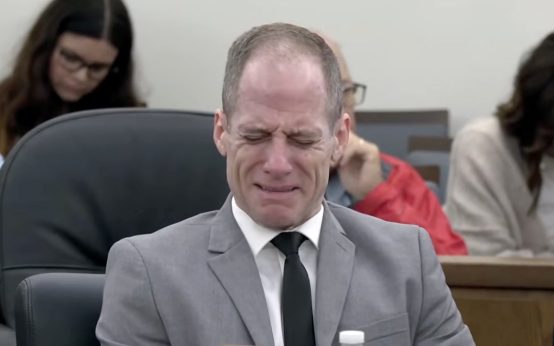 Ohio Murder Trial: Investigators’ Search for Missing Gun
 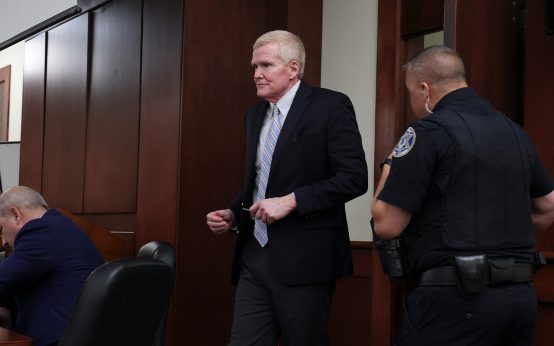 Alex Murdaugh’s Lawyers Demand Key Evidence Release
  Mississippi Grand Jury Rules No Charges in Nolan Wells Case
  Justice Served as Former Foster Facility Manager Sentenced to 30 Years