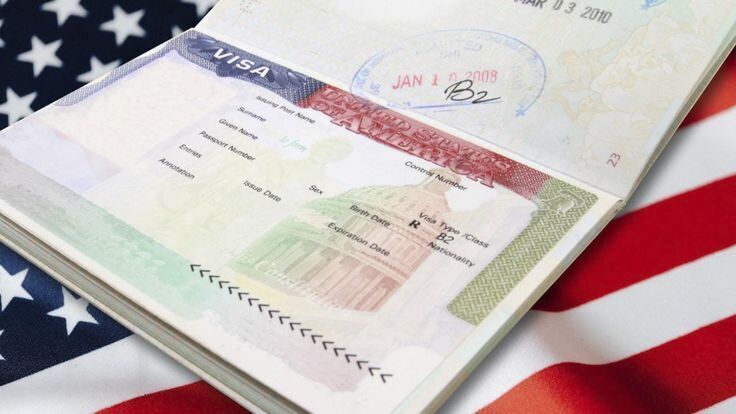
New analysis of U.S. government data indicates that H-1B visa renewals are set to reach a record high in fiscal year 2026. This growth continues as efforts to tighten the program are underway. The review conducted by LayoffHedge, a workforce analytics firm, revealed that 273,026 H-1B petitions for continuing employment have been approved up to the first nine months of the fiscal year.
This period spans from October 2025 through September 2026, bringing it close to the 291,542 renewals recorded in fiscal year 2025, with three months remaining. This increase in renewals occurs amid ongoing attempts by the Trump administration to impose stricter regulations, such as a proposed $100,000 fee on certain new petitions. However, a federal judge blocked this measure in June.
Understanding H-1B Figures
Experts suggest interpreting the H-1B data cautiously. The numbers come from USCIS petition approvals and might not reflect unique individuals. Instead, they include extensions and amendments.
USCIS categorizes approvals into “initial employment” and “continuing employment” petitions. The latter includes renewals and transfers, which do not fall under the annual cap of 85,000 visas.
LayoffHedge utilized the USCIS H-1B Employer Data Hub and historical figures from the Pew Research Center, which provided data from USCIS through a Freedom of Information request. In fiscal year 2024, nearly 400,000 H-1B approvals were issued, with 65% being renewals or extensions.
Experts Discuss Data Limitations
Research assistants and directors highlight that the petition figures reflect continuing employment rather than unique worker counts. Changes in employment like promotions or employer transitions are part of these approvals. The data’s focus is on petitions, not individual workers.
Some argue that treating each approval as a separate worker leads to overcounting. These approvals should rather be seen as events within the existing H-1B system. The figures show that much H-1B activity occurs outside the cap, involving extensions and transfers.
Insight on H-1B Program Use
Kevin Lynn, founder of U.S. Tech Workers, stresses that approval statistics should not equate with unique workers, as many workers hold multiple approved petitions. The 85,000 visa cap contrasts with the active stock of H-1B workers.
Continuing-employment petitions include extensions and employer transfers. These highlight how numerous H-1B workers enter the market beyond the annual cap, contributing to an uneven regulatory landscape.
Purpose and Impact of the H-1B Visa
The H-1B visa program allows U.S. employers to hire qualified foreign workers in various fields such as technology, engineering, and healthcare. Despite legal and political challenges, fiscal year 2026 may set a record for renewal approvals.
 Rising Demand for Data Centers Driven by AI Development
  Debate Over AI’s Governance Amidst Fearful Predictions
  Navigating AI Responses: A Personal Experience with Google’s New Approach
  Leading AI Companies Face Antitrust Lawsuit for Alleged Coordination
  Investigations and Aftermath of Amazon Cargo Plane Accident in Miami
  Trump’s Stand on AI Safeguards Sparks Debate Among Tech Leaders