
The Transportation Security Administration (TSA) is advancing towards widespread use of computed tomography (CT) scanning equipment at airport security checkpoints. This move aims to enhance the security screening process for carry-on luggage.
Traditional X-ray machines generate a two-dimensional image of bag contents. In contrast, CT scanners offer a three-dimensional view. This technology eliminates the need to remove items from carry-on bags during scanning, streamlining the process for travelers.
CT scanners have the potential to detect threat items that may have gone unnoticed by older X-ray equipment. However, applying this technology universally to all carry-on bags may not be the most effective strategy. It is important to consider the balance between security improvements and practical deployment across airports.
Implementing CT scanners reflects ongoing efforts by the TSA to integrate advanced technology into security procedures. Yet, the decision warrants careful consideration of its overall impact on airport operations and traveler experience.
 Beijing’s Tactical Undermining of U.S. Supremacy Through AI
 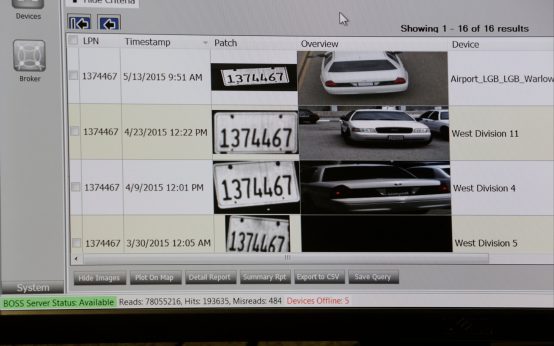 Controversy Surrounds Automated License Plate Readers Across the U.S.
  Trump and Harp Sued Over Truth Social Subscriber Program
  Implications of AI in College Admissions
 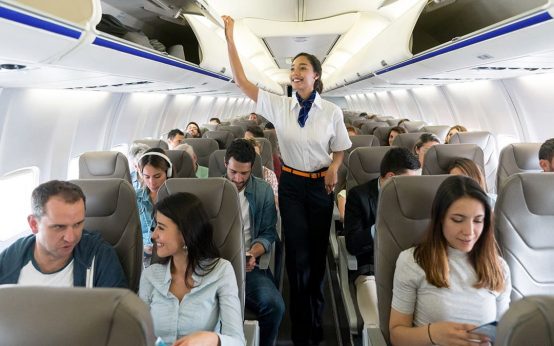 FAA Proposal on Flight Attendant Breaks Faces Union Opposition
  Congressional Inaction Amid AI Concerns