Urgent Call for Increased Production
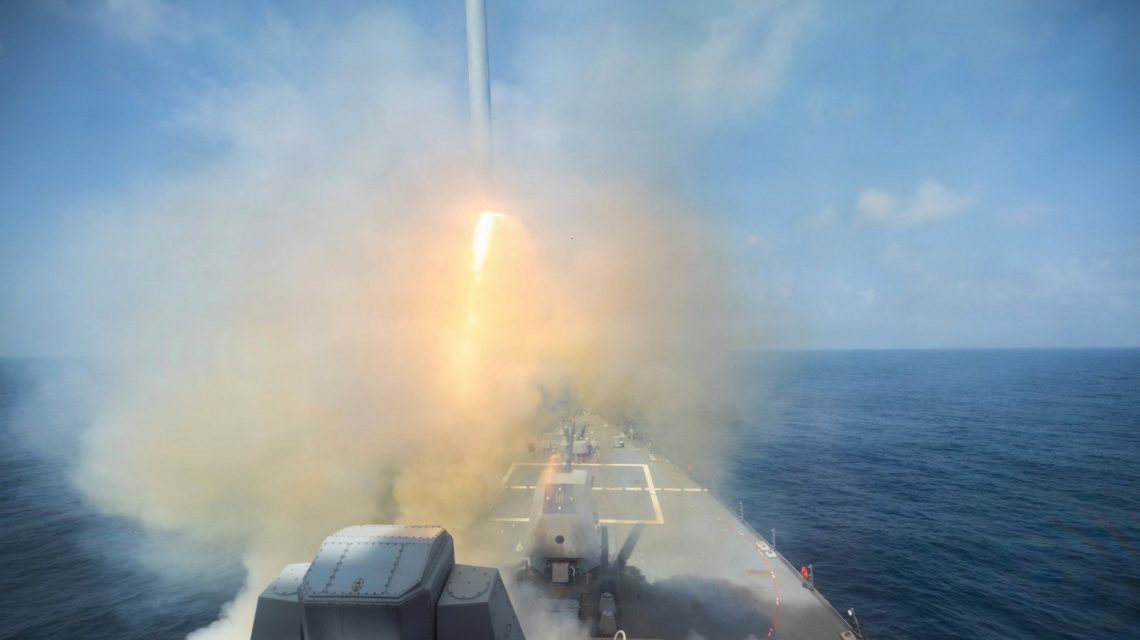
The Pentagon is urging major U.S. defense contractors to ramp up weapons production. This directive comes in response to depleted military stockpiles during the conflict with Iran. New Defense Department directives reveal these urgent measures.
Deputy Defense Secretary Steve Feinberg instructed industry leaders to develop plans to speed up delivery schedules. They must submit these plans within 21 days, as stated in a memo obtained by The Washington Post.
“Years-long development cycles are not acceptable,”
Feinberg wrote, demanding faster program schedules and expanded production capacity.
Pentagon spokesman Sean Parnell emphasized the focus on delivering rapid change in the defense industrial base. Feinberg’s leadership is pivotal in addressing the complex acquisitions system.
Concerns Over Depleted Missile Defenses
The initiative stems from concerns over reduced inventories of missile defense systems, crucial during combat against Iran. Key systems include Patriot and Terminal High Altitude Area Defense (THAAD) interceptors. The Center for Strategic and International Studies (CSIS) provided an analysis indicating significant reductions.
Patriot interceptors dwindled from 2,330 to an estimated 759 to 827 after recent fighting. This reflects a reduction of at least 65% since before the conflict. THAAD interceptors also saw reductions, from 452 to between 234 and 278 currently, a decrease of at least 38%.
The restocking process for depleted items, like Patriot, THAAD, and Tomahawk cruise missiles, could take over three years even with increased funding.
Costs and Administrative Pushback
Defense Secretary Pete Hegseth informed senators that the Iran conflict has cost approximately $37.5 billion since hostilities began in late February. This includes current operations and projected needs through September 30.
President Donald Trump dismissed reports of critical shortages, asserting that the U.S. maintains substantial weaponry reserves. However, Pentagon officials stress the need to strengthen the defense industrial base through production increases.
Parnell confirmed Feinberg’s memo’s legitimacy and its influence on the 2028 fiscal year budget.
A defense spending bill is stalled in Congress. Lawmakers are unhappy with Trump’s military actions against Iran and resist the White House request to substantially increase Pentagon spending from $900 billion last year to $1.5 trillion.
 Federal Appeals Court Decision Against Trump’s ‘Third-Country’ Deportation Policy
  President Trump’s Controversial Ban on Media Outlets Sparks Press Freedom Concerns
  U.S. Security Agreement in Greenland Sparks Optimism and Concerns
  Cook County’s Property Tax Bridge Loans
  A Controversial Stance on Immigration Policies Sparks Debate in South Carolina
  Trump Administration Challenges In-State Tuition for Undocumented Students