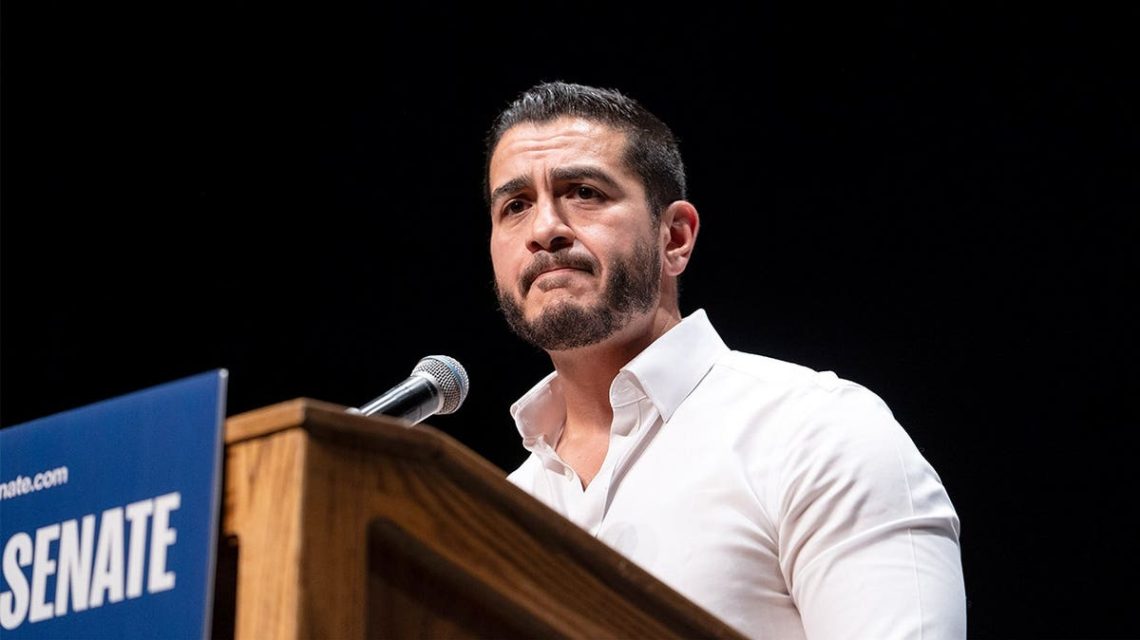
Abdul El-Sayed, the Democratic nominee for the Michigan Senate, discussed the potential impact of universal healthcare on taxes during an appearance on NBC’s “Meet the Press.” He indicated that all Americans, regardless of income, might face higher taxes to support Medicare for All.
Kristen Welker of NBC News questioned El-Sayed about whether Americans should expect tax increases to make universal healthcare a reality. El-Sayed responded by expressing his support for increasing taxes on billionaires. However, he also conceded that individuals earning less than $1 million might also experience a tax hike.
El-Sayed elaborated that for most people, health insurance premiums represent a significant part of their expenses. He suggested that redirecting these premiums into taxes for universal healthcare would eliminate concerns related to job loss, becoming older, or life changes affecting health insurance.
He pointed out the potential benefit of transferring payments from high-salaried insurance CEOs to the government instead. El-Sayed argued that this shift would guarantee healthcare and be a fairer approach.
Welker pressed for clarity on whether this meant non-millionaires would face a tax increase. El-Sayed emphasized that he preferred paying the government to ensure healthcare access over corporate profits.
El-Sayed’s Republican opponent, Mike Rogers, voiced concerns online about El-Sayed’s plan, suggesting it favored government revenue over personal savings.
Although El-Sayed supports universal healthcare and taxing billionaires, he denies being a socialist. He defeated Haley Stevens in the Democratic primary, amid criticism for collaborating with Twitch streamer Hasan Piker.
Critics like Julian Epstein perceive El-Sayed’s rise as indicative of a shift within the Democratic Party. This shift, driven by competition between the establishment and the Democratic Socialists of America (DSA), is seen by some as an attempt to redefine the party’s direction.
Eric Ham, a political analyst, suggests this conflict aims at seizing party control. This effort is highlighted by the support for progressive candidates versus established ones in various races, signifying internal party challenges and potential implications for future elections.
 Maine’s Pivotal Senate Race: A Clash of Political Eras
  Accountability and Governance Challenges Amidst Political Turmoil
 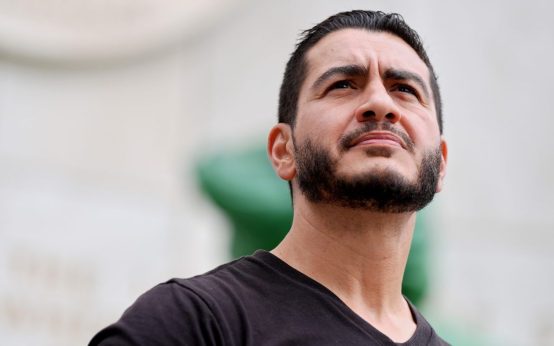 Challenges and Divisions Within the Democratic Party
  Will Scharf Appointed as Next White House Counsel
  Jay Feely’s Political Journey from NFL to Congress
  The Rising Power of the Climate-Industrial Complex