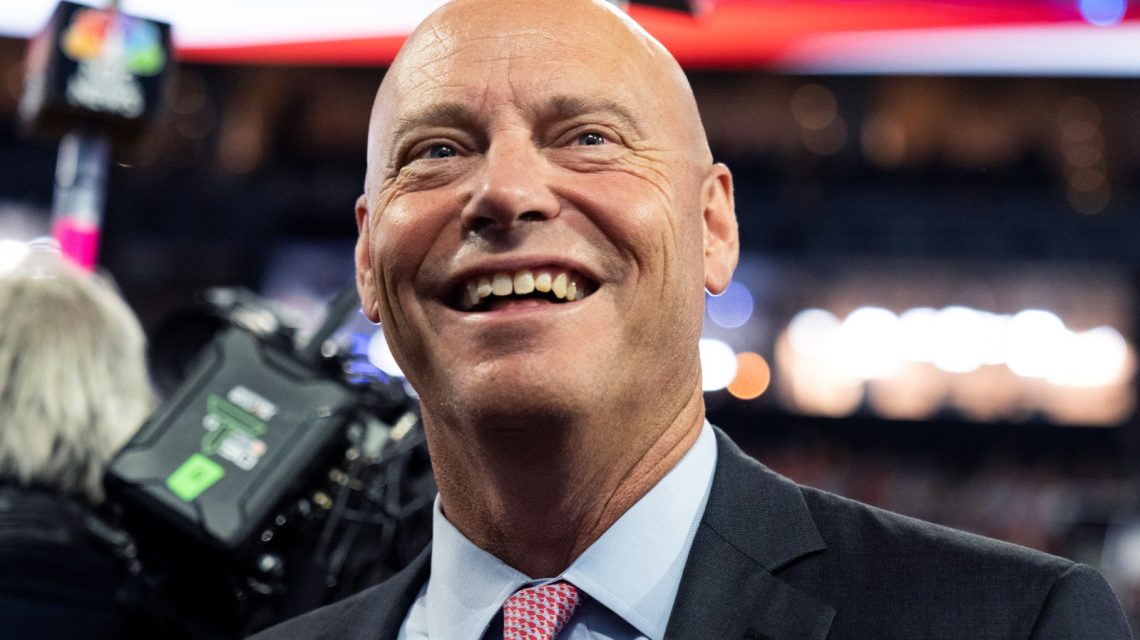
Marc Short, a former official in the Trump administration, has issued a warning about the Republican Party’s challenges as the midterm elections approach. Short, who previously served as the White House director of legislative affairs and as chief of staff to former Vice President Mike Pence, spoke on CNN about the tough political climate affecting Republican candidates. He cited inflation, concerns about affordability, and allegations of corruption at the White House as factors damping GOP enthusiasm.
Senior Republicans share Short’s concerns. House Majority Whip Tom Emmer recently noted the party’s reduced electoral ambitions, which have led to a more selective approach in deploying campaign resources. Emmer emphasized that campaign strategy involves careful financing decisions, targeting races where returns seem highest. “We expanded the map when we should have kept it narrow,” he told Axios.
“It really is a business, and you’re looking at a balance sheet, and you’re putting your money where you’re gonna get your biggest return,” said Emmer.
Republican campaign groups are transitioning from offensive tactics to defensive ones. Rather than competing in many races, they are focusing funds on key seats in traditionally Republican areas. For example, in Kansas, they are investing significantly to protect Senator Roger Marshall from Democrat Adam Hamilton.
Marc Short highlighted that the Trump administration’s economic record and allegations of conflicts of interest create difficulties for Republican voter motivation. He pointed out that recent White House policies have not resolved inflation, contributing to voter dissatisfaction. Additionally, he mentioned corruption stories in the media as a reason for decreased GOP enthusiasm.
Strategic changes reflect a wider shift in Republican tactics. For instance, they have withdrawn funds from North Carolina’s Senate race and reallocated resources to South Carolina to support Senator Darline Graham against Democrat Annie Andrews. In Kansas, they’re defending a seat typically deemed secure, illustrated by an investment from the Senate Leadership Fund and other groups amassing millions for the cause.
Beyond the Senate, the strategy also affects Congressional seats. In Nebraska’s 2nd Congressional District, Republicans canceled significant ad spending, choosing instead to reallocate funds to other vulnerable districts in states like Kentucky, Ohio, and Texas.
Highlighting the stakes, Democrats need a net gain of four Senate seats to secure the upper chamber, with the House majority similarly contested.
Republican strategists are attempting to counter this by focusing on progressive Democrats such as Congresswoman Alexandria Ocasio-Cortez and Michigan candidate Abdul El-Sayed. Short suggested that opposing progressive Democrats might better energize the GOP base, even if enthusiasm for their own candidates is lacking.
“If you can’t figure out a way to bring Republicans home right now because you’re not excited about Ken Paxton, you might be excited to oppose AOC,” Short stated, referencing GOP sentiments.
These insights illustrate the challenges and strategies at play in the Republican Party as they navigate the upcoming midterm elections.
 Senate Race Forecasts Shift in Favor of Democrats Ahead of Midterms
 Pentagon Revises U.S. Military Casualty Figures Related to Iran Conflict
 Tensions Rise Between DOJ and California Over Voter Rolls
 Colorado Family Challenges Denial of Preschool Benefits Based on Religious Choice
 Pelosi Criticizes Colleagues’ Views on Israel
 Minnesota’s Election System Under Scrutiny