
In recent weeks, President Donald Trump has shown a willingness to seek alternatives to Supreme Court decisions on significant issues. Even though he adheres to legal frameworks, his actions test the boundaries of judicial rulings.
Trump has enacted new tariffs, reignited attempts to remove Federal Reserve governor Lisa Cook, and issued fresh executive orders targeting birthright citizenship. These initiatives follow previous court rulings that did not favor his agenda.
While legal experts clarify that the president’s actions do not equate to direct non-compliance with the Supreme Court, they do indicate an intention to explore the legal limits of the court’s decisions. This approach has drawn attention due to its potential effects on the balance of power between the branches of government.
For instance, the tariffs represent a strategic move in trade management, reflecting the administration’s stance on international commerce. Similarly, efforts regarding the Federal Reserve and birthright citizenship underscore the importance Trump places on these matters in his policy priorities.
These developments trace back to earlier court decisions this summer. The administration’s current path suggests a readiness to engage with, and potentially recalibrate, legal precedents that do not align with its objectives.
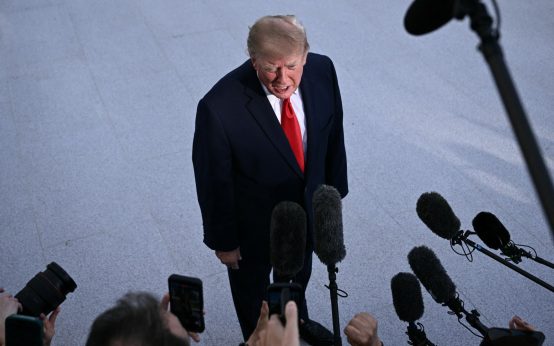 White House Videos Facing Legal Scrutiny Over Use of Federal Funds
  Eric Trump Supports Investigation into ABC News Story
  Zelensky Challenges Trump Over Russia Diesel Deal
 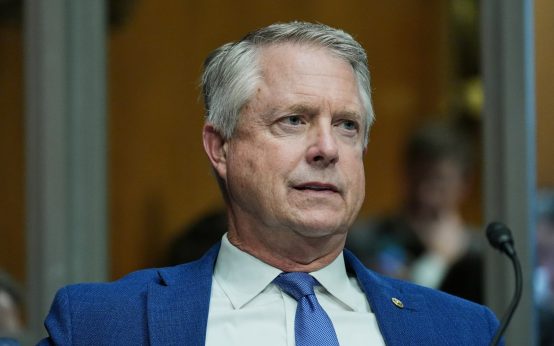 Trump Plans Rally to Support Senator Roger Marshall Amid Tight Kansas Race
  Michigan Senate Candidate Faces Scrutiny Over Family Ties
  Trump’s Diesel-Deal Feud with Zelensky Obscures a More Important Effort