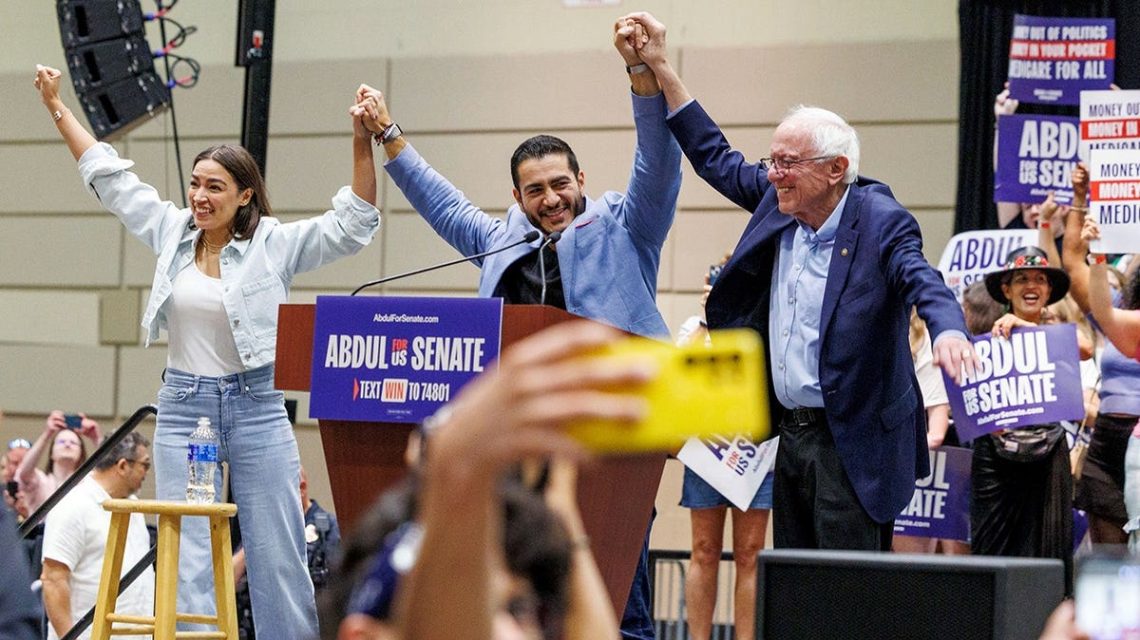
Abdul El-Sayed, a Democratic candidate for the U.S. Senate in Michigan, strongly supports the Medicare-for-all policy. This is a central theme of his campaign and those of other socialist candidates. El-Sayed recognizes that adopting this system would likely lead to higher taxes for Americans. Still, he defends the notion that these taxes would replace current insurance premiums and provide coverage regardless of employment status.
Experts foresee significant changes if a nationwide single-payer system were implemented. Healthcare financing, provider payments, private insurance roles, and employment and care access could all shift under this model. Michael Cannon from the Cato Institute and Ed Haislmaier from the Heritage Foundation warn of these potential changes, arguing that Medicare-for-all could obscure real trade-offs.
P.J. O’Rourke once said, ‘If your healthcare is expensive now, wait until you see what it costs when it’s free,’ reflecting concerns about costs associated with socialized medicine.
El-Sayed argues that instead of paying deductions to health insurance companies, Americans would pay slightly higher taxes for more stable healthcare coverage. This shift would mean that coverage wouldn’t be lost due to employment changes, marriage, or other life events.
Compensation for healthcare providers is a central question in this debate. Medicare currently pays less than private insurers, and extending government-set rates to more patients might require either higher federal revenue or reduced provider payments. Critics of socialized medicine often cite Canada and England as examples of long wait times and limited access.
Cannon diagnoses flaws in the U.S. healthcare system and suggests market competition can increase efficiency by empowering patients to make spending choices. Haislmaier describes Medicare-for-all as a misguided approach and emphasizes that cost control should involve competition, rewarding better service at lower prices.
During Trump’s presidency, a new proposal emerged. It encourages moving away from insurers managing collective funds and promotes using personal accounts for purchasing insurance.
U.S. healthcare draws elements from international models advocated by El-Sayed and others. The Department of Veterans Affairs aligns with the British NHS, employer-sponsored insurance mirrors Germany, and Obamacare offers eligibility frameworks similar to Canada and Scandinavia. Yet, according to experts, the U.S. already has a unique approach to socialized medicine.
Cannon articulates that even in the U.S., systems like Medicare, Medicaid, and employer-sponsored insurance involve significant government control, countering the idea that expanding such controls is radical.
Recent proposals suggest restricting or prohibiting private insurance, intending to cover more patients with fewer out-of-pocket costs. There is concern that maintaining broad access under Medicare-for-all could discourage provider participation if payments mimic current Medicare rates.
The necessary increase in federal revenue to fund extensive healthcare under Medicare-for-all would be substantial. Shifting expenses to government sources equates to rising taxes, even if replaced by reduced premiums for individuals and employers.
For Medicare-for-all to be effective, Cannon suggests removing governmental restrictions rather than adding them. He notes Americans nearing Medicare eligibility spend significantly more on healthcare than those in other developed nations.
Fox News Digital sought El-Sayed’s input but has not yet received his response. El-Sayed has a career background with Fox News, having worked in the network’s New York and Washington bureaus.
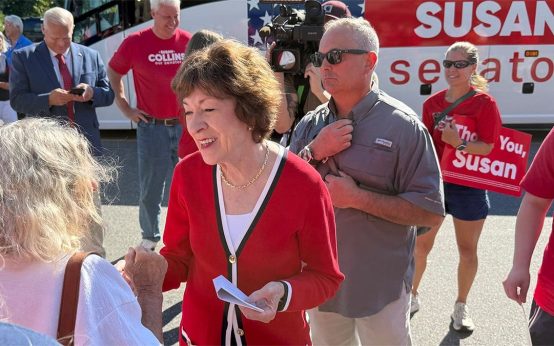 Susan Collins’ Office Vandalized Amidst Senate Race with Troy Jackson
  Trump Administration Reverses Fuel Economy Standards Amid Rising Oil Prices
  Discussion on U.S. Government Spending and Voter Opinions
  President Trump and AI Executives Convene at White House
  Scrutiny on Attorney General’s Political Appearances
  Discussion on Political News and Analysis