
The Transportation Security Administration (TSA) is implementing computed tomography (CT) scanning equipment at airport security checkpoints. These scanners offer a three-dimensional image of carry-on luggage contents, unlike the two-dimensional images produced by older X-ray machines.
CT scanners could potentially identify threats that older machines might miss, enhancing security measures for air travel. However, there are concerns about the widespread deployment of this technology for all passenger carry-on bags. Subjecting every carry-on to CT scanning might be excessive and misguided.
By capturing detailed images, CT scanners eliminate the need for passengers to remove items from their carry-on bags during checks. While this advancement streamlines the process, it raises questions about its necessity and efficiency.
The Hill, known for its nonpartisan reporting, highlights the intersection of government decisions and business impacts. The adaptation of CT technology in airports forms part of this intricate landscape, posing implications for both security standards and traveler convenience.
A traveler passes through the TSA line at Washington Dulles International Airport, illustrating the routine nature of such security screenings. The case underscores the debate on balancing security enhancements with practical considerations.
 Nike’s Stock and Identity: A Complex Interplay
  Venezuelan Man Accused of ATM Hacking in U.S. Custody
  History of Panic Surrounding Technological Innovations
  Generation Z Reshapes Travel Industry Through Unique Preferences
  AI’s Influence on Critical Thinking in Knowledge Work
 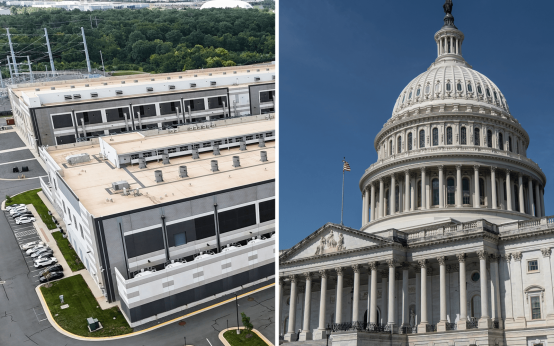 Virginia’s Shifting Political Landscape Ahead of Midterms Highlights Data Center Debate