Cognisee Uses AI to Train New Workers
Ahmer Inam, Cognisee Founder & CEO, emphasizes the company’s innovative use of AI to tackle America’s skilled labor shortage. By capturing the know-how and experiences of retiring workers, Cognisee creates digital mentors. This training, powered by AI, aids new workers in critical sectors like manufacturing, aviation, and healthcare. The approach ensures expertise transfer without replacing human roles, enhancing workforce efficiency.
Genesis AI’s Ambition in Robotics
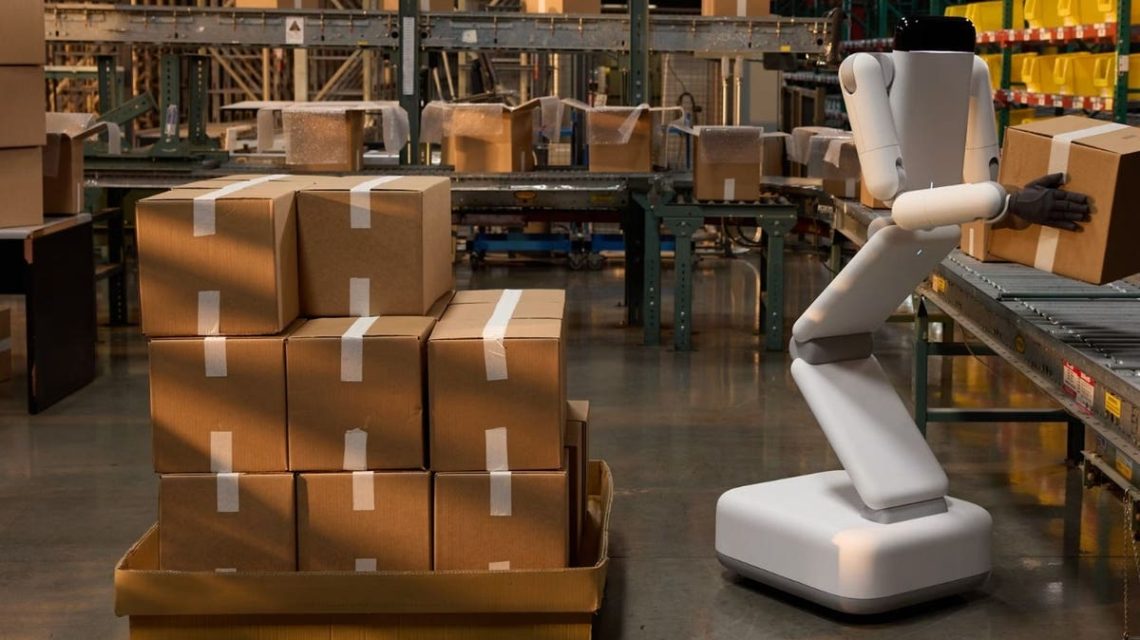
Genesis AI is advancing towards robots learning jobs by observing humans. The company has gathered $500 million to introduce its general-purpose robot, Eno, to more workplaces. This investment raises Genesis’s valuation to $3.5 billion. A key innovation involves using electronic gloves, worn by workers, to capture hand movements and train robots to perform similar tasks.
Genesis aims to have robots operate complex tasks independently. Initial deployments of Eno are set for 2027, targeting industrial workplaces. This progression raises questions about the future role of people who currently teach these tasks to robots.
Training Robots Using Human Interactions
Genesis utilizes technology allowing robots to learn physical skills through human observation instead of being programmed for every action. Workers wear electronic gloves as they perform standard duties, which gather data to train Genesis’s AI, known as GENE. This technology aims to enable robots to learn complex skills without manual programming.
Genesis applies small head-worn cameras to record tasks from a worker’s perspective, in addition to using pre-existing video footage. This method facilitates more advanced physical skills development.
Virtual Learning Platforms for Robots
Genesis uses Genesis World, a simulation platform, for robot training. Here, robots refine tasks learnt from human demonstrations, which expedites their learning process. This setup helps reduce the need for expensive physical training, allowing for development within a controlled virtual environment.
Current Capabilities and Future Plans
Genesis has showcased its robotic brain, GENE, performing tasks such as meal preparation, laboratory equipment handling, and more. Importantly, these demonstrations have been executed with a test robot, not Eno itself. Real-world implementation remains a crucial objective for Genesis.
Commercial deployment is anticipated in 2027, beginning with manufacturing and logistics. Expansion into hospitality, healthcare, and home environments is planned, though this is further down the line.
Potential Impact on Jobs and Workforce
As robots like Eno advance, employee participation in training such robots is voluntary. However, there’s an ongoing debate about the potential of these machines to replace human jobs. Genesis asserts ownership over the data collected but insists that data collection is consensual and that there’s no capture of personal information.
Whether robots work alongside humans or replace certain roles, remains uncertain. The introduction of such technology could redefine tasks expected from employees, especially in industries like manufacturing.
Challenges Ahead for Genesis AI
Implementing robots in dynamic environments presents challenges. Genesis aims to develop handling unexpected occurrences safely and effectively. The company acknowledges that reliable operation in real-world settings is yet to be proven, as opposed to controlled demonstrations.
Moving Forward
While Eno robots may not appear in the average workplace tomorrow, their presence in industrial settings shortly hints at broader changes over time. Their utility in automating repetitive tasks could reshape industry expectations, leaving open questions about long-term job roles.
 Lego Fortnite Supply Llama: A Tween’s Dream Gift with Huge Savings
 Jensen Huang’s Controversy Highlights Challenges for Corporate America
 Federal Agencies Face Cybersecurity Challenges
 FBI’s Crime Database Faces Hacking Threat
 Neuralink’s Impact on Brain-Computer Interfaces
 AI Claims Breakthrough in Solving the Riemann Hypothesis