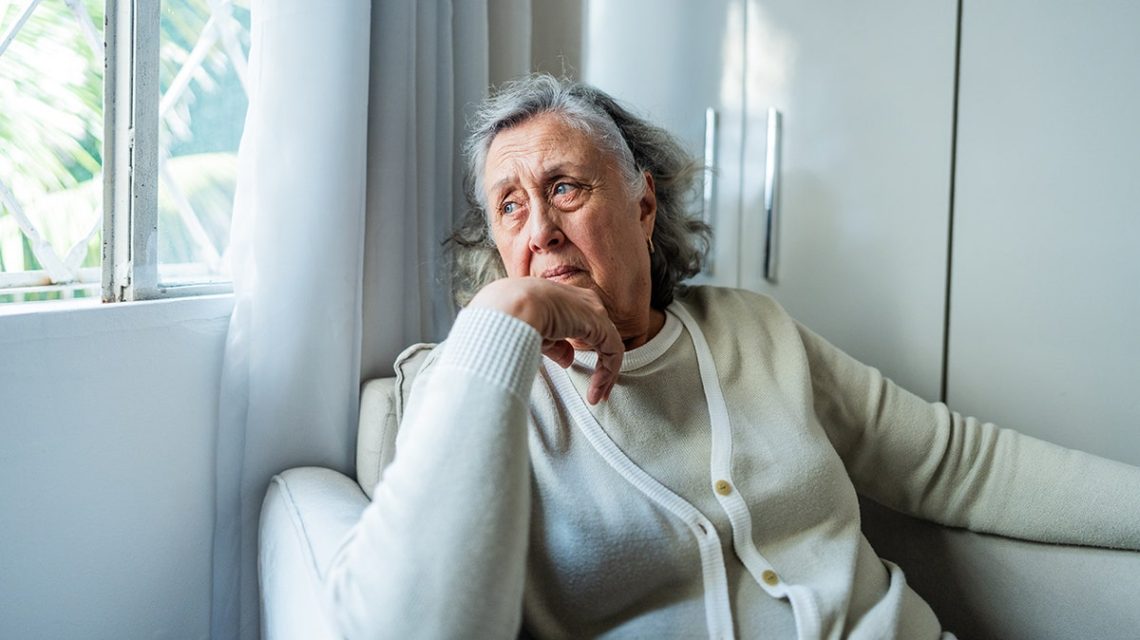
A recent study involving over 135,000 adults highlights a significant issue: many individuals experience frequent loneliness, particularly in urban regions. The COVID pandemic has intensified these feelings, according to the research conducted by Imperial College London.
Loneliness in Urban Settings
The study surveyed 135,725 English residents aged 16 and older. They reported that nearly one in six adults often feel lonely, with over 20% lacking companionship or feeling isolated, as stated in a report by SWNS.
The study uncovered an ‘urban paradox,’ where larger cities offer social advantages yet contribute to lower life satisfaction and happiness compared to rural areas.
Lead researcher Austen El-Osta, Ph.D., mentioned that people’s social environment and surroundings significantly impact their loneliness. This aligns with the ‘urban paradox’ theory, where cities like London and Birmingham show higher loneliness despite economic and cultural benefits.
Impact of the Pandemic
The COVID-19 pandemic substantially raised loneliness levels for 44% of participants, with 48.2% feeling more isolated. Dr. Azeem Majeed, from the National Health Service, noted that loneliness affects both mental and physical health, leading to conditions like anxiety and depression.
Strengthening community ties can help mitigate loneliness, Majeed suggested. The study found that relationship status did not significantly change loneliness levels, even though 45% were married or in civil partnerships and 20% were single.
A Public Health Concern
El-Osta emphasized that while loneliness is a personal experience, it is also a broader public health issue. Public health initiatives should focus on improving communities to support social connections and participation.
Imperial College London claims the study is one of the largest solely investigating loneliness within a single country. Yet, caution is advised, as the study can’t estimate loneliness at the population level due to certain limitations. These include overrepresentation of educated individuals and underrepresented minority groups.
Additional Findings on Loneliness
Further research across 12 European countries indicates loneliness impacts memory in older adults, although it may not speed cognitive decline. Researchers recommend that regular cognitive assessments include loneliness screening to promote healthy aging.
Deirdre Bardolf and Melissa Rudy contributed to this report for Fox News Digital.
 Rising Support for Medicare for All in the United States
  Controversial Death in Russia Sparks Concerns
  10 Key Principles for Healthy Longevity
  Russian Scientist’s Death Raises Concerns Over Plague Exposure
  Alan Alda Reflects on Life, Career, and Parkinson’s
  Voice Disorders Linked to Dementia Risk