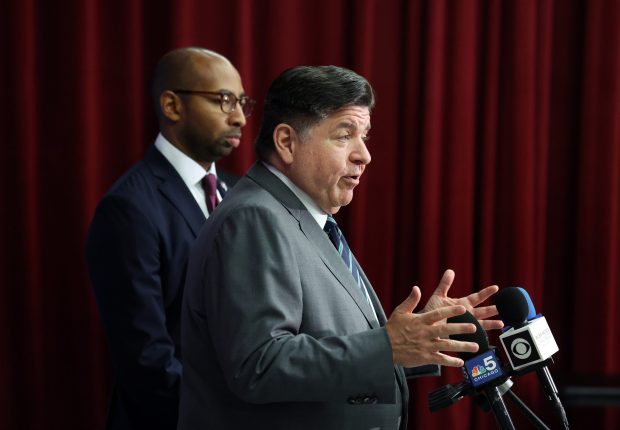
Governor JB Pritzker has recently been at the center of a debate over public school funding in Illinois. Earlier this week, he accepted support from the Illinois Education Association (IEA), the largest educators’ union in the state. This support, however, led to a broader conversation about funding for Chicago Public Schools (CPS).
Pritzker expressed doubts about the possibility of allocating $150 million specifically for CPS without impacting other school districts across the state. He stated, “If you’d like, I can pull the pockets out of my trousers to show you that the state does not have dollars that are just laying around.” This remark highlighted the difficulty in finding additional funds solely for CPS, and Pritzker argued that any extra funding should be distributed statewide.
“I don’t know where you find three or four times $150 million and not shortchange a lot of other important priorities within the budget,” Pritzker commented, stressing the complexity of balancing statewide priorities alongside Chicago’s specific needs.
The push for increased CPS funding has escalated tensions as the Illinois General Assembly’s fall veto session approaches. The CPS budget, approved with an anticipated $150 million in additional state funding, lacks current revenue sources, raising concerns among lawmakers.
IEA President Karl Goeke clarified that the union’s endorsement of Pritzker does not indicate a rift with the Illinois Federation of Teachers or the Chicago Teachers Union (CTU). Goeke emphasized the separate processes involved and maintained positive relations between the unions. Despite pressure from CTU for increased state funding, Goeke refrained from commenting specifically on the $150 million proposed for CPS.
Capitalizing on the current political climate, some legislators, like State Rep. Daniel Didech, are cautious about setting a precedent where local entities rely on state intervention to balance their budgets. He expressed concerns over CPS’s strategy of passing an “unbalanced budget,” potentially encouraging other districts to follow suit, thus risking a state’s fiscal order.
Governor Pritzker has maintained skepticism toward CPS’s financial strategy since the school’s board finalized its budget, which relies heavily on uncertain state funding. Despite Chicago’s call for more resources, Pritzker has challenged CTU and allies in crafting a sustainable funding plan, squarely placing the responsibility on state officials like House Speaker Emanuel Chris Welch.
Within the legislature, opinions on CPS funding highlight significant divides. Some suburban lawmakers, reflecting on their district needs, advocate for any additional funding to be spread across the state. State Rep. Rita Mayfield, for instance, noted the involvement of lower-income districts in seeking funding during the veto session. This sentiment is shared by others, like State Rep. Bob Morgan, who underline the necessity for a statewide approach rather than limiting efforts to Chicago.
Finally, House Appropriations Committee Chair Will Davis emphasized the need for CPS to better understand legislative processes around budget appropriations. He encouraged Chicago’s new school board members to appreciate broader educational funding considerations, reinforcing the challenge of securing specific sessions for funding focused on a single, large urban district.
 Justice Department to Deploy Record Number of Poll Monitors
 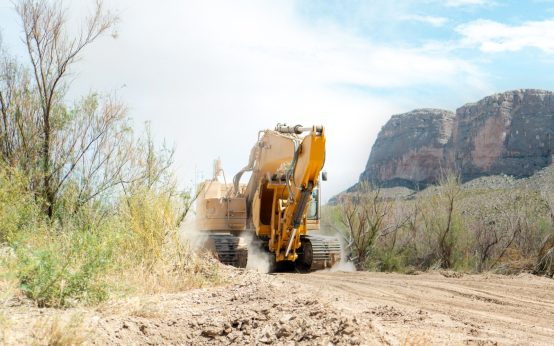 Controversy Surrounds Border-Security Project in Texas’ Big Bend National Park
  White House Criticizes CNN Reporter After Oval Office Exchange
 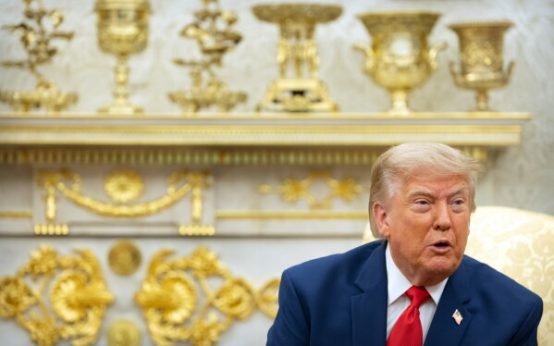 Trump’s Decision to Scale Back Military Exercises with South Korea Sparks Controversy
 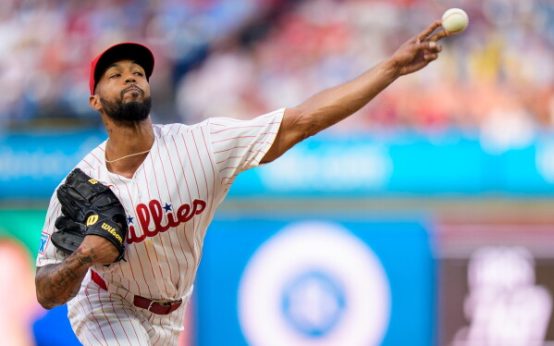 Debbie Wasserman Schultz Runs in New District Amid Controversial Redistricting
  Trump Votes by Mail Despite Criticism