The Trump administration announced a significant economic campaign against Iran. This new approach comprises a detailed package of sanctions, enforcement tactics, and diplomatic endeavors aimed at eliminating Iran’s remaining financial ties.
Treasury officials introduced “Operation Economic Outcast,” targeting nations, corporations, and individuals engaging in business with Tehran. The plan extends sanctions across crucial branches of Iran’s economy.
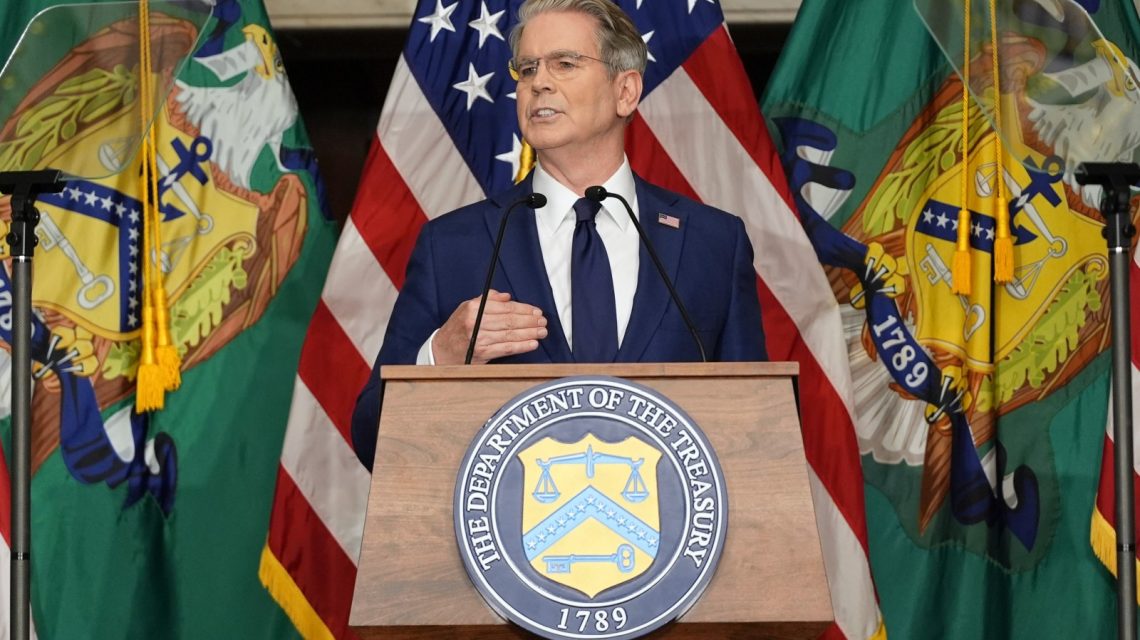
Treasury Secretary Scott Bessent emphasized the U.S. position: “Any economic collaboration with this regime will lead to full American punitive measures.” The strategy marks an intensification of President Trump’s efforts to economically isolate Iran, as it deals with inflation, a declining currency, and increasing trade barriers.
Bessent stated the goal is to “cut off all economic support” for the Iranian administration and the Revolutionary Guard Corps. Analysts suggest this shift emphasizes systematic, aggressive, and extraterritorial use of existing legal measures.
“The label is new; the toolbox is not entirely new,” said Pierre Pahlavi, a professor. He mentioned the focus on foreign actors aiding Iran in evading sanctions as critical.
Reacting swiftly, Iran condemned the move. A Foreign Ministry spokesperson warned of a strong response to any U.S. sanctions expansion. Iran’s security authority stated that supporting new measures might be seen as “an act of war.” This comes after setbacks like the UAE’s suspension of trade with Iran.
Expansion Into Strategic Sectors
The sanctions expansion targets digital assets, technology, gold, aviation, and shipping. Treasury argues Iran exploits cryptocurrency, gold, and global shipping to bypass restrictions and support military aims.
The rial experienced another fall, hitting a record low. Amid longstanding inflation and weak growth, the situation is worsening. The International Monetary Fund predicts a more than 5% shrinkage in Iran’s economy this year.
Sanctions on Nearly 60 Entities
The Office of Foreign Assets Control sanctioned close to 60 entities tied to oil networks, cyber operations, and missile development. Several international jurisdictions are involved, aiming to disrupt Iran’s revenue channels and sanction evasion.
Focus on Oil Trade and Maritime Transport
The package includes sanctions on Iran’s oil industry and maritime transport. Accusations involve shadow fleet operations moving Iranian crude despite restrictions. Guidance warns businesses of sanctions risks linked to Strait of Hormuz shipping.
Targets in Cyber and Military Procurement
The sanctions also address Iranian cyber actors targeting U.S. interests and international procurement aiding missile and nuclear programs. Key actors linked to Iran’s Ministry of Intelligence are identified.
Warning to Global Governments and Businesses
The initiative’s broad scope includes third-country involvement. U.S. officials will urge global governments to terminate Iran-related activities. Non-compliance risks further sanctions and exclusion from the U.S. financial system.
Of particular note is China, historically Iran’s major oil customer. China’s recent reduction in Iranian oil imports reflects potential pressure test points in the campaign against Iran.
Pahlavi highlighted China as crucial, saying, “Washington can apply pressure through sanctions on facilitators of Iran’s oil revenue.” The decision for foreign companies lies between U.S. financial system access and discounted oil.
Bessent asserted, “No one is beyond U.S. sanctions.” Businesses facilitating Iran’s oil economy face targeting. The aggressive sanctions seek to continue isolating Iran economically, prompting potential Iranian reactions.
This report covers immediate developments. Further updates will be provided as new information emerges.
 U.S. Strategy Focuses on Economic Pressure Over Military Action in Iran
  Democratic Candidate Christina Bohannan Campaigns in Iowa
  Historic Opportunity for a Female UN Leader Faces Challenges
  Supreme Court Decision on Trump Administration’s Mail-In Ballot Order
 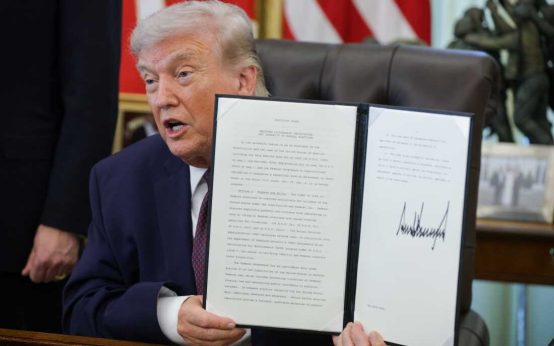 Supreme Court Pauses Ruling on Trump’s Mail-In Voting Directives
 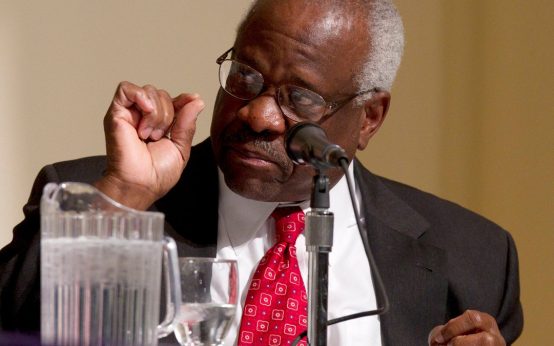 Clarence Thomas Rejects Racial Expectations on Political Views