
The Trump administration has announced a plan to end a rule that has restricted logging, road building, and other development on national forest lands for over 25 years. This move has angered environmentalists across the country. The U.S. Forest Service has put forth a proposal to eliminate the roadless rule, which was established at the end of Bill Clinton’s presidency in 2001.
The rule was intended to safeguard undeveloped national forest areas from commercial logging and mineral leasing, with goals of preserving ecosystems and protecting water supplies. U.S. Agriculture Secretary Brooke Rollins described the rule as excessively restrictive, hindering efforts to reduce wildfire risks. Rollins stated, “Our forests can’t afford another decade of inaction.” He highlighted issues such as overgrown forests, insect outbreaks, and disease contributing to increased wildfire risks.
Scientists link worsening wildfires to climate change, reduced logging, and years of fire suppression that allowed dangerous fuel build-up. The roadless rule affects roughly 30% of national forest lands, or about 59 million acres, according to the U.S. Department of Agriculture. The Forest Service will collect public input on the proposed change and a draft environmental impact statement filed in the Federal Register.
The plan does not mandate timber cutting or road construction, despite removing national-level protections. The proposed change has been anticipated since an earlier announcement to Western governors. Meanwhile, environmentalists continue to warn of harmful impacts on old growth forests, wildlife, and water supplies.
Chris Krupp, an attorney with WildEarth Guardians, emphasized the public’s opposition to removing such protections. He stated, “Americans across the political spectrum have made it clear that they don’t want political appointees removing protections from public lands.” Krupp warned that losing the roadless rule could negatively impact both Americans and wildlife.
Concerns were also voiced by the Alaska Wilderness League and other organizations about the potential effects of the policy change, particularly on Alaska’s Tongass National Forest. The Tongass is the largest national forest in the U.S. and has been central to legal disputes.
Alaska’s state leaders seek exemptions from the rule, claiming it hinders economic opportunities. However, the Biden administration reinstated restrictions on logging and road-building previously lifted in the Tongass during Trump’s first term. Emma Powell of the Alaska Wilderness League emphasized the Tongass’s significance, noting its role in supporting fisheries, tourism, and outdoor recreation, alongside generating jobs and economic activity.
Alex Craven from the Sierra Club contested the idea that eliminating the rule would aid in reducing wildfire threats. He argued that more roads could lead to more fires, and the rule never stopped necessary wildfire fuel reduction efforts by the Forest Service. Craven vowed continued opposition to the proposal.
The deadline for public comments is September 21.
 South Carolina U.S. Senate Debate: Graham vs. Andrews
 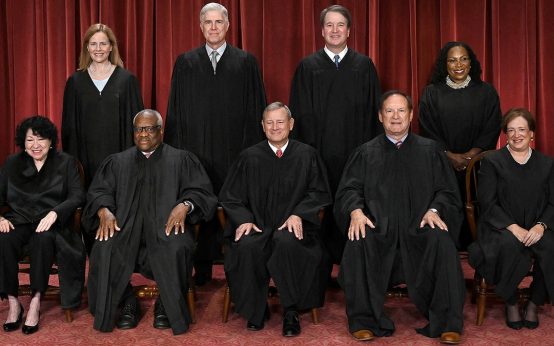 Debate Continues Over Expanding U.S. Supreme Court
 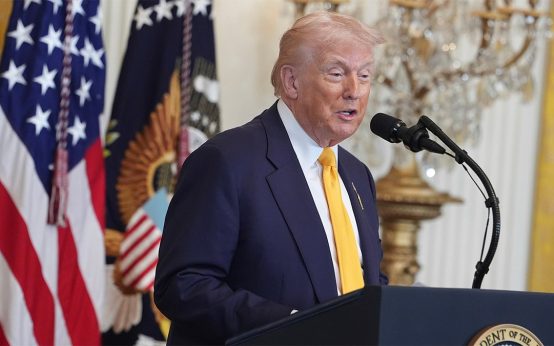 Fox Nation’s Documentary on Alleged Trump-Russia Collusion Plot
  Debunked Claims of Celebrity Endorsements for Trump
 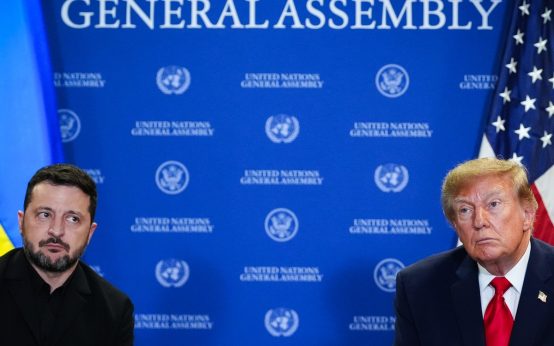 Calls for New Leadership in Ukraine Amid Political and Energy Tensions
 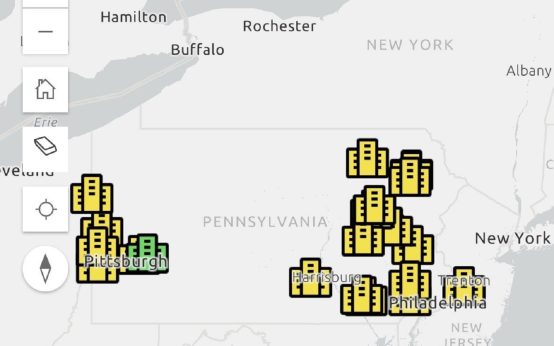 Pennsylvania’s New Tracker Highlights Data Center Development Amid AI Debate