Hollywood film production has faced challenges recently, impacting where films are made. An example is the Netflix miniseries of John Steinbeck’s “East of Eden.” Instead of filming in California, the production took place in New Zealand. This highlights a shift from when California was the filming hub for various productions, with Los Angeles often standing in for cities worldwide.
Historically, Los Angeles was the go-to location for filmmakers because of its diverse landscapes, which could mimic different global settings. In the past, the entertainment industry valued California for its ideal year-round filming conditions. Paramount Pictures even created a map in 1927 that suggested California locales as stand-ins for places like Wales or the Sahara.
Los Angeles, particularly its downtown area, played crucial roles in various productions, serving as a versatile backdrop. The city provided numerous architectural gems and urban settings that filmmakers utilized to create different cityscapes. From the 1970s to the 1990s, downtown Los Angeles was so rundown and vacant that it appeared almost like a Hollywood back lot, ready for any project.
Despite its past prominence, filming days in Los Angeles have decreased by nearly 50% since 2019, with the motion picture industry losing about 57,000 jobs in four years. Cities like Atlanta and Vancouver increasingly serve as substitutes for Los Angeles. This shift raises questions about L.A.’s future in the film industry as productions continue moving away.
Filmmaker Thom Andersen’s documentary “Los Angeles Plays Itself” explores how the city is portrayed in films. A reflective companion film might be called “Los Angeles Plays Someone Else,” showcasing how L.A.’s scenery often stands in for other cities in movies.
Now, New Zealand takes its turn as a stand-in for California. Director Zoe Kazan explained choosing New Zealand, noting the country’s unspoiled landscape, contrasting with changes in the Salinas Valley since the setting of Steinbeck’s book. Her grandfather, Elia Kazan, shared similar concerns, opting to film scenes of the original “East of Eden” movie on studio lots instead.
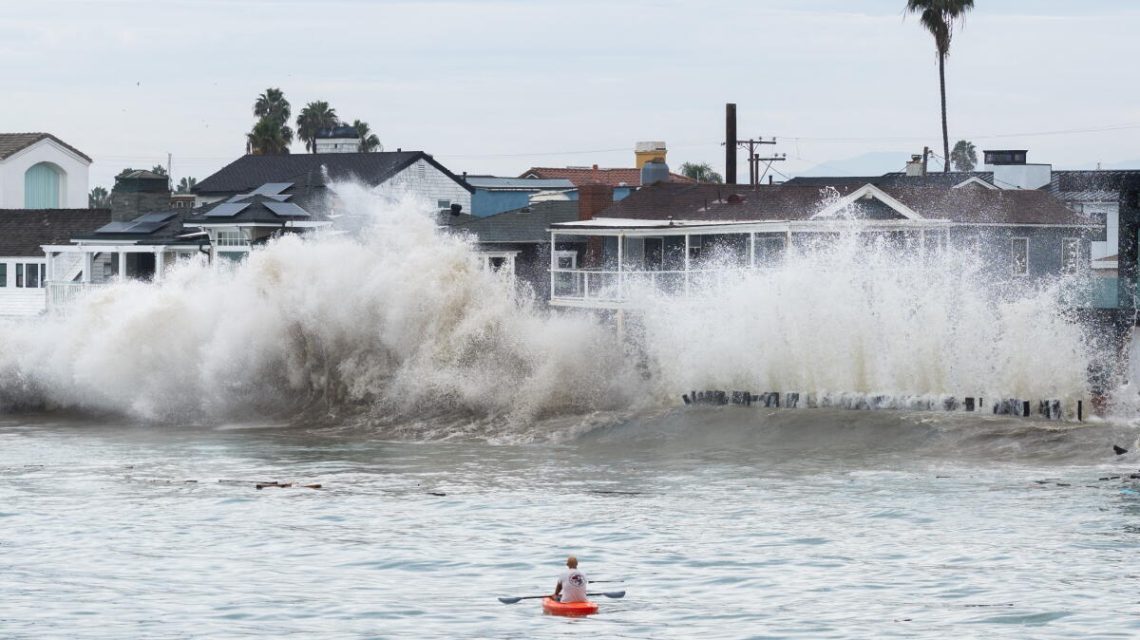
Local residents seemed undisturbed by this shift, with Steinbeck himself praising the film adaptation. Meanwhile, Southern California faces threats from storms, affecting its coastal regions. Environmental challenges continue, with tidal warnings in place, adding another layer of concern for the region.
Beyond the entertainment industry, other issues unfold. L.A. has evolved into a turtle smuggling hotspot, with local conservancies overwhelmed by confiscated animals. Political divisions also emerge, with debates centering on transgender rights despite the demographic’s small size.
Filming dynamics in Los Angeles are changing, impacting the area’s status and employment levels. As the city grapples with these shifts, the broader industry reflects on what the future holds for its traditional filming grounds.
 Review of ‘The Social Reckoning’
  Ben Affleck Discusses Parenting and His Son’s Fascination with Luxury Items
  Connecting Science and Comedy: Letonia Copeland-Hardin’s Innovative Approach
  A Return to Falls’ Maximalism in Lyric Opera’s ‘Don Giovanni’
  Troye Sivan Embraces Loneliness in New Album
  George Clooney Reflects on Presley Gerber’s Passing