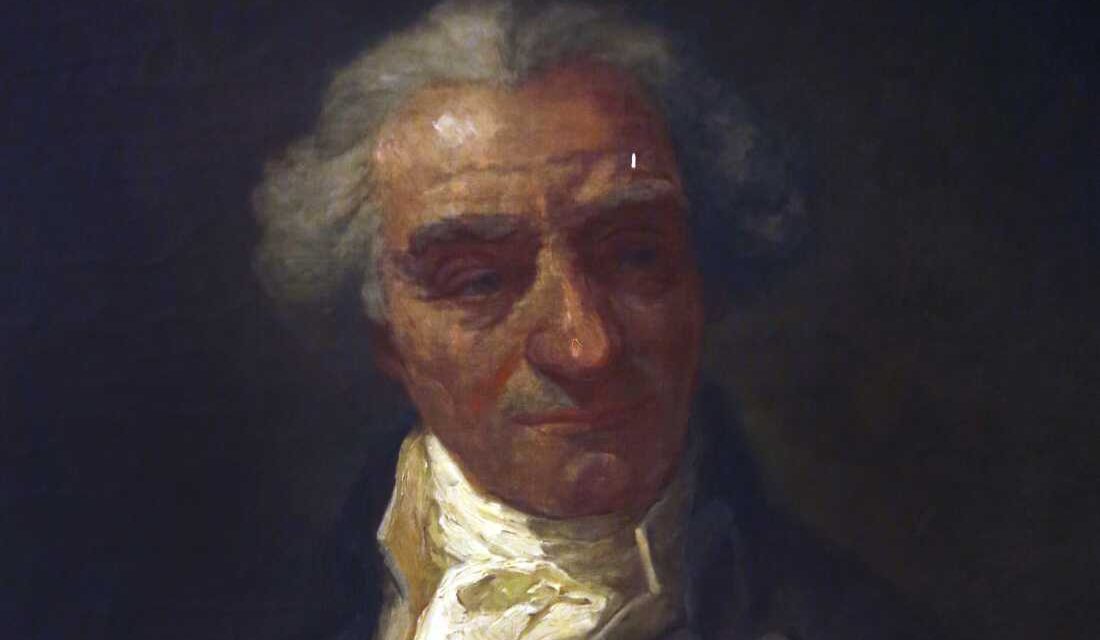
In the corridors of the State House in Boston, a portrait of Governor Elbridge Gerry hangs prominently. Gerry, who played a pivotal role in America’s early political history, left an indelible mark through the creation of the term “gerrymander.” The origin of this word is linked to Gerry and his redistricting plan of 1812.
While many recognize names like Samuel Adams and John Hancock for their contributions, Gerry remains less known. Despite being an ardent supporter of American independence, he often remains in the shadows compared to his contemporaries. He notably refused to sign the Constitution due to its initial lack of a Bill of Rights. Later, Gerry served as Vice President under James Madison until his untimely death in office.
Historian David O. Stewart describes Gerry as having been passionate and determined, traits that made him a standout figure during the Revolutionary War. Despite this, Gerry has not achieved the widespread recognition of his peers, lacking both a notable beverage named in his honor and a famous signature. Yet, his name persists in political discourse through “gerrymandering.”
The term “gerrymander” refers to manipulating voting boundaries to favor a political party. This practice gained traction after Gerry approved a redistricting bill in Massachusetts designed to benefit his Democratic-Republican Party. The visual representation of this political strategy appeared in a newspaper cartoon portraying the misshapen district as a monstrous creature. This imagery led to the creation of the term “gerrymander,” combining “Gerry” with “salamander.”
Doug Harper, the originator of etymonline.com, notes the unique emergence of “gerrymander” from a visual depiction. Despite repeated instances of district manipulation throughout history, the term “gerrymander” remains widely recognized. Many other amusingly shaped districts, like Pennsylvania’s “Goofy kicking Donald Duck,” also fuel the public’s interest.
In linguistic terms, “gerrymander” is an “eponym,” a word stemming from a person’s name. Harper references parallels such as “boycott,” “shrapnel,” and “leotard.” Over time, eponyms like “MacGyver” have also emerged, demonstrating the ongoing evolution of language influenced by popular culture.
Though Elbridge Gerry plays a critical role in America’s founding history, his lasting legacy is unexpectedly tied to a controversial redistricting decision. Historian Stewart reflects on this reality, suggesting that recognition in any form holds value. Gerry’s contribution to political language assures him a unique place in history, even if for reasons he never anticipated.
 President Trump Criticizes Media Over Rally Coverage
  Impact of Global Conflicts on Gas Prices
  Republican Primary Tensions: Vance vs. Cruz
  Trump’s Influence in Latin America: Political Wins and Strategic Moves
 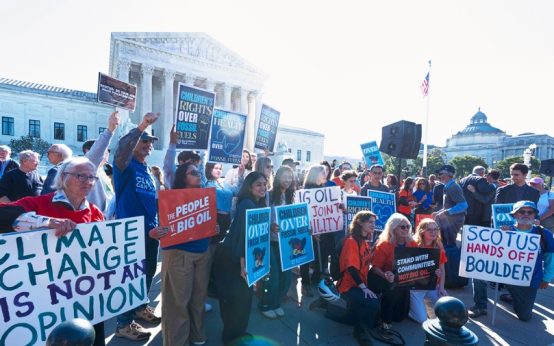 Debates, Executive Orders, and Supreme Court Climate Case
  Collins and Jackson in Tight Race for Maine Senate