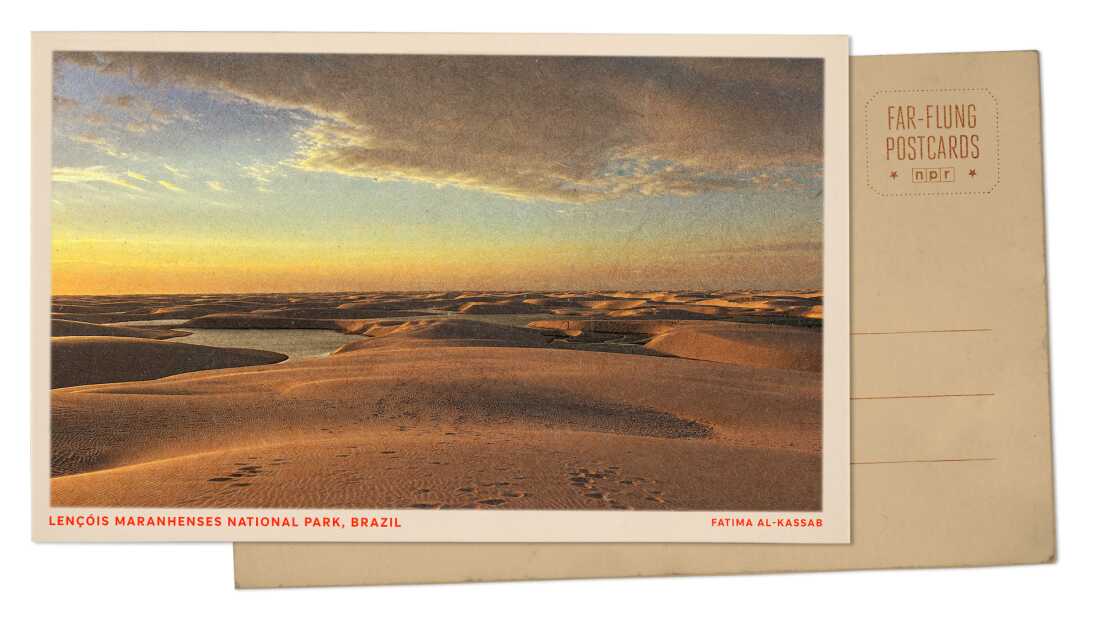
Earlier this summer, I embarked on a journey to northeastern Brazil and discovered a place unlike any I had seen before. From São Luis, a bustling tropical city, I traveled four hours by bus to the tranquil fishing town of Barreirinhas. The adventure continued with a rugged 4×4 ride leading to the breathtaking white sand dunes of the National Park of Lençóis Maranhenses.
This landscape, spanning hundreds of thousands of acres, is uniquely bordered by lush jungle on one side and the Atlantic Ocean on the other. The name ‘Lençóis’ translates from Portuguese to ‘bedsheets,’ aptly describing how the dunes resemble billowing sheets from an aerial view.
Reaching the summit of the dunes posed a challenge; my feet sunk into the fine, powdery sand with every step. Yet, the reward at the top was a view reminiscent of a sci-fi realm. When I visited in July, over 35,000 freshwater lagoons dotted the seemingly endless dunes, having filled after the rainy season. These pristine pools offered a refreshing respite after a day of exploring.
Observing what seemed to be an expansive white desert punctuated by sparkling blue pools felt like stepping onto another planet. However, this is not a desert. Positioned near the Amazon rainforest, this UNESCO World Heritage Site experiences about 50 inches of rainfall annually, more than twice the average rainfall in London, my hometown. Standing atop a sand dune in the otherworldly Lençóis, home felt worlds away.
 Teen Pickleball Star Elsie Hendershot Faces Busy Schedule
  Exploring Accommodation Options in New York City
  FAA Proposal on Flight Attendant Breaks Faces Union Opposition
 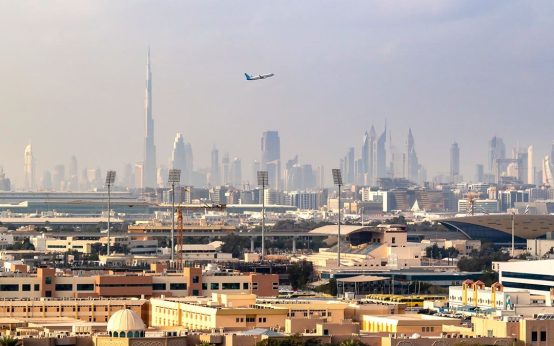 State Department Alerts on Middle East Travel Amid Rising Tensions
  Midair Brawl Erupts on London-Bound Flight
 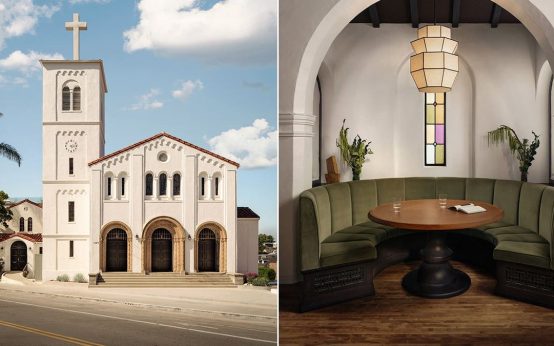 Historic Los Angeles Building Transformed into Boutique Hotel