
The cessation of support from the National Oceanic and Atmospheric Administration (NOAA) does not indicate the end of environmental observations or hinder progress. While support might wane, dedicated efforts continue to shed light on crucial changes in Arctic and Alaskan environments.
The Arctic Report Card has been pivotal over two decades. It transformed raw data into accessible insights, helping the public grasp the significant environmental shifts occurring in these northern regions. This initiative, primarily supported by NOAA, has been instrumental in explaining various ecological changes.
Concerns have centered around phenomena such as sea ice fluctuations, alterations in ocean temperatures, and marine debris in areas like the Bering Strait. Additionally, the movement of wildlife, such as the spread of beavers into northwestern parts of Alaska, highlights ongoing ecological shifts. Environmental topics range from “rusting rivers” to community-based monitoring of Bering Sea salmon populations.
Although NOAA’s backing takes a step back, the data and observations persist. Researchers and environmentalists remain committed to tracking and understanding these changes. The efforts of organizations and communities in Alaska play a vital role in continuing the legacy of robust environmental monitoring without interruption.
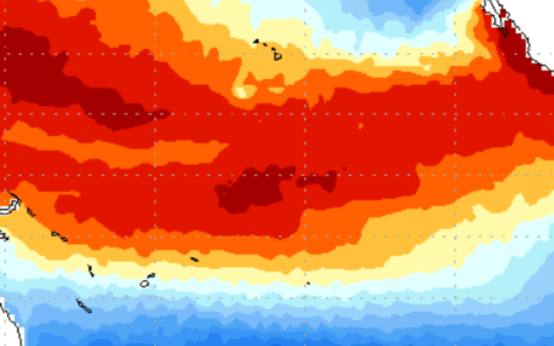 El Niño’s Impact on Pacific Ocean Temperatures
  Arizona Voters Prioritize Water Concerns in Upcoming Midterms
  Trump Announces Energy Ceasefire Between Russia and Ukraine
  Record Loggerhead Sea Turtle Nesting on Georgia Beaches
 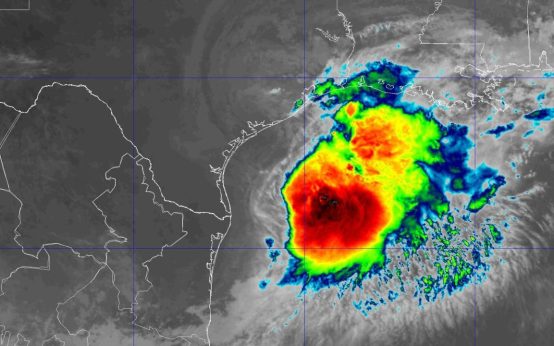 2026 Atlantic Hurricane Season Overview
 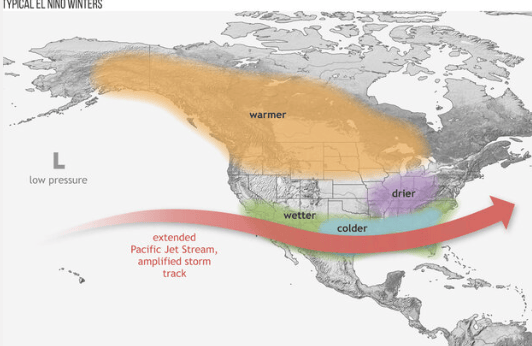 Winter Heating Costs: EIA’s 2026 Forecast